

Packing For Photography In Patagonia
An overview of what I brought to the ends of the earth

Packing for the edge of the world requires a delicate balance between preparing for the elements and staying true to a creative vision. When I set out for the Chilean Fjords and Torres del Paine last month, I was looking for a kit that could survive the rugged unpredictability of Patagonia and channel the spirits of Darwin and Salgado.
From a modern workhorse that renders every glacial crack in 60 MP detail to a classic film body reserved for timeless moments, my bag for this expedition was a deliberate blend of resilience and soul. This week, I share a breakdown of the gear that made the cut and the logic behind why I chose it.
Upcoming Events & Workshops
Leica Connect: Photo Stories from Around the World - Seattle
I’ll be joining a free event at Leica Store Bellevue for an evening of stories from my recent photography adventures with my SL kit. If you’re in the greater Seattle area, come by and let’s connect.
Leica Akademie: Video for Photographers - London
This June, I’m leading a two-day workshop in London for photographers who want to learn video. Whether you’re looking to create short films, branded content, or simply elevate your visual storytelling, this workshop provides a practical introduction to filmmaking. Sign up here.
Seats for my 2026 India workshop are currently sold out. If you’re still interested, you can join the waitlist here to be notified if a spot opens up or when new dates become available.
What’s the story?
My trip to Patagonia was split between photo and video deliverables, with the latter delegated to my cinematographer. My focus was on capturing a rich suite of images for the Quark Expeditions team and a collection of visuals to support personal stories.
When I was researching inspiration for this trip, two names stood out most: Charles Darwin and Sebastião Salgado. Both were explorers and humanists in their own right. With them as my compass, I began deciding which cameras and lenses could best support my creative direction.
Which cameras made the cut?
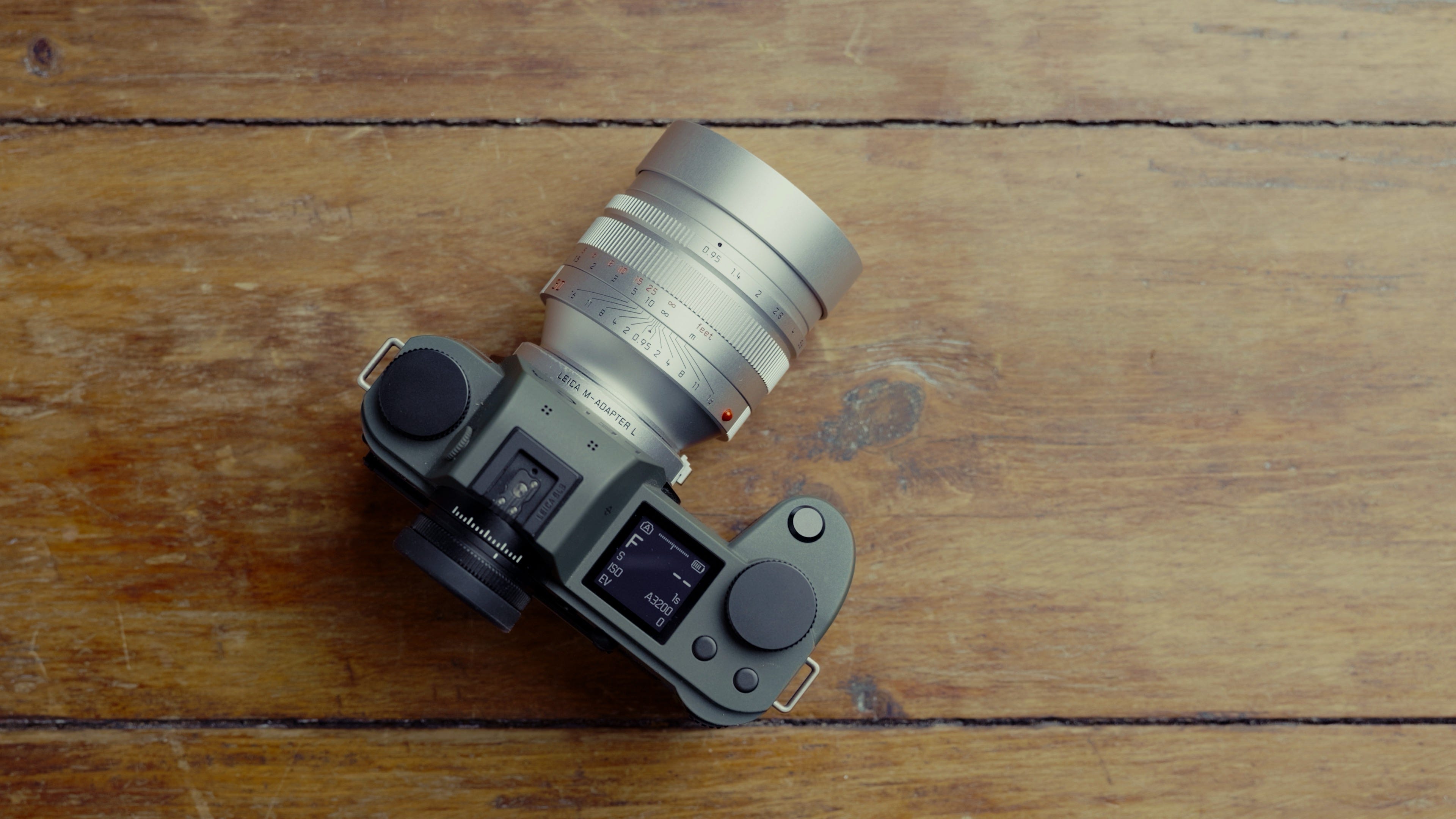
The colour and texture of Patagonia serve as the essence of this place. Unlike my trips to Svalbard or the Antarctic, wildlife wouldn’t be the primary focus. With that in mind, the camera doing most of the heavy lifting was the Leica SL3. It offers plenty of dynamic range and resolution to hone in on the exact story I’m looking for.
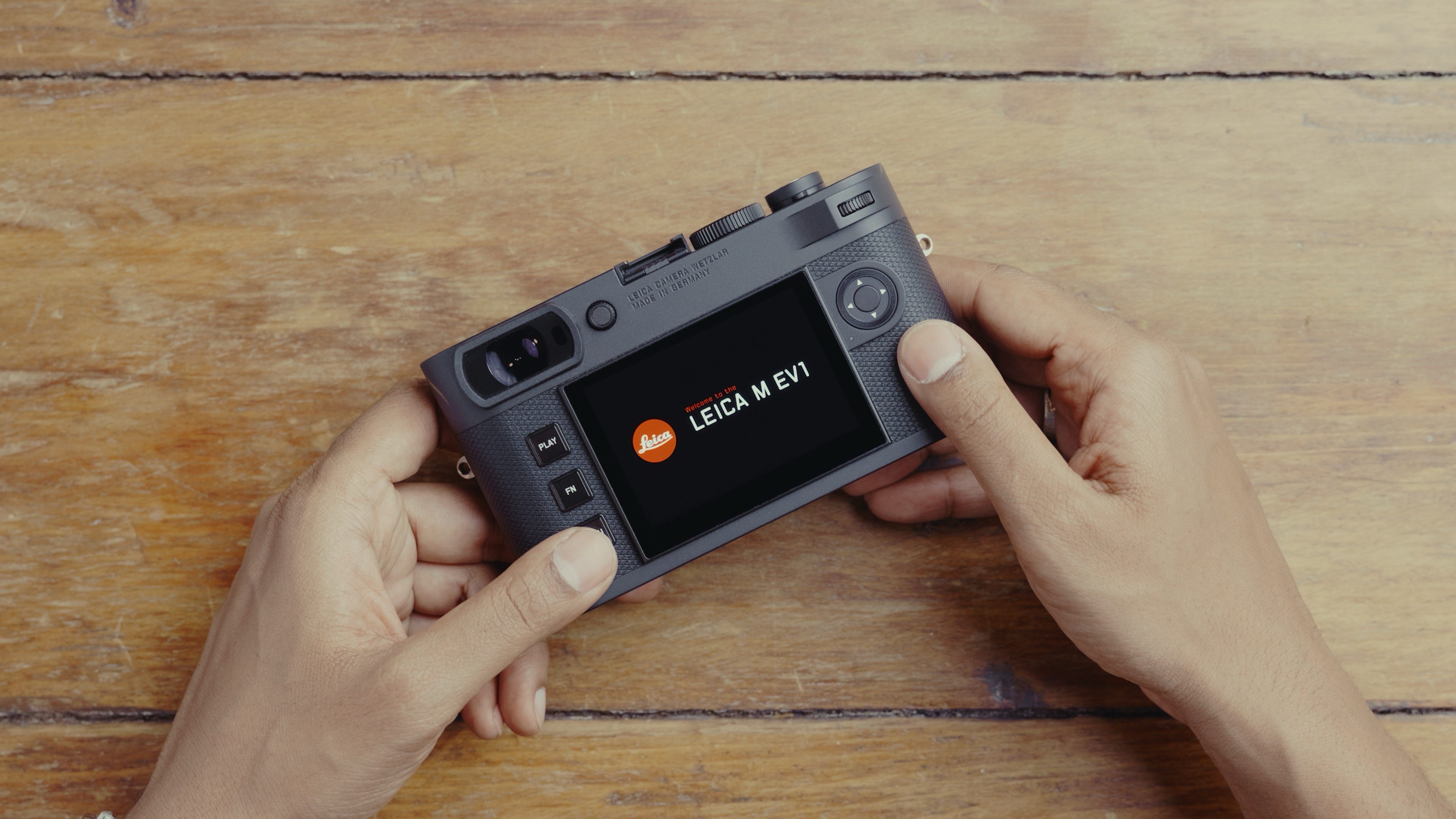
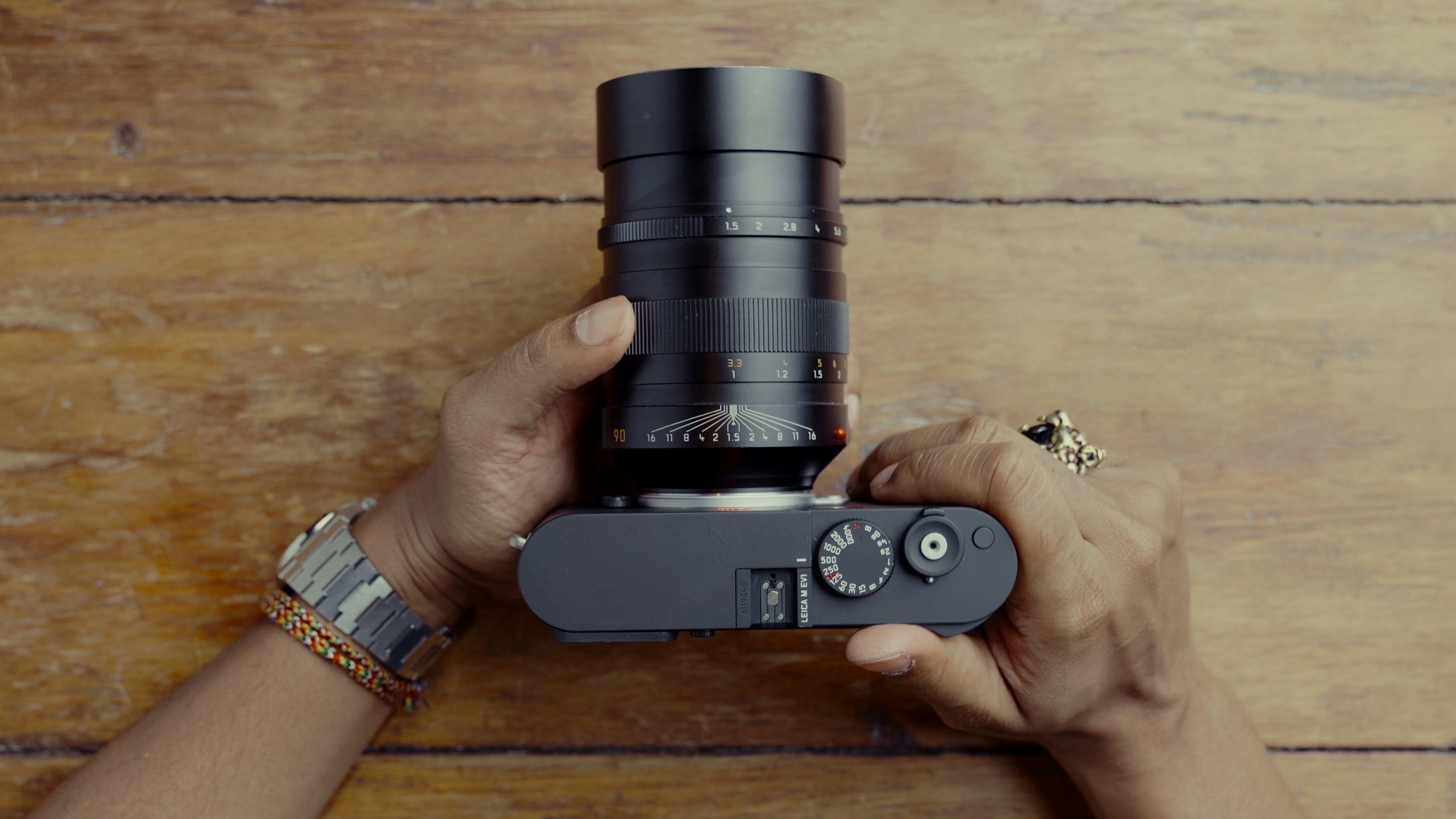
For my second body, I opted for a smaller solution dedicated to detail shots and quickly picking off visuals to support the narrative. I chose the Leica M EV1. I had a lot of success with this in Belize last year and felt confident in what it could do for me in this part of the world.
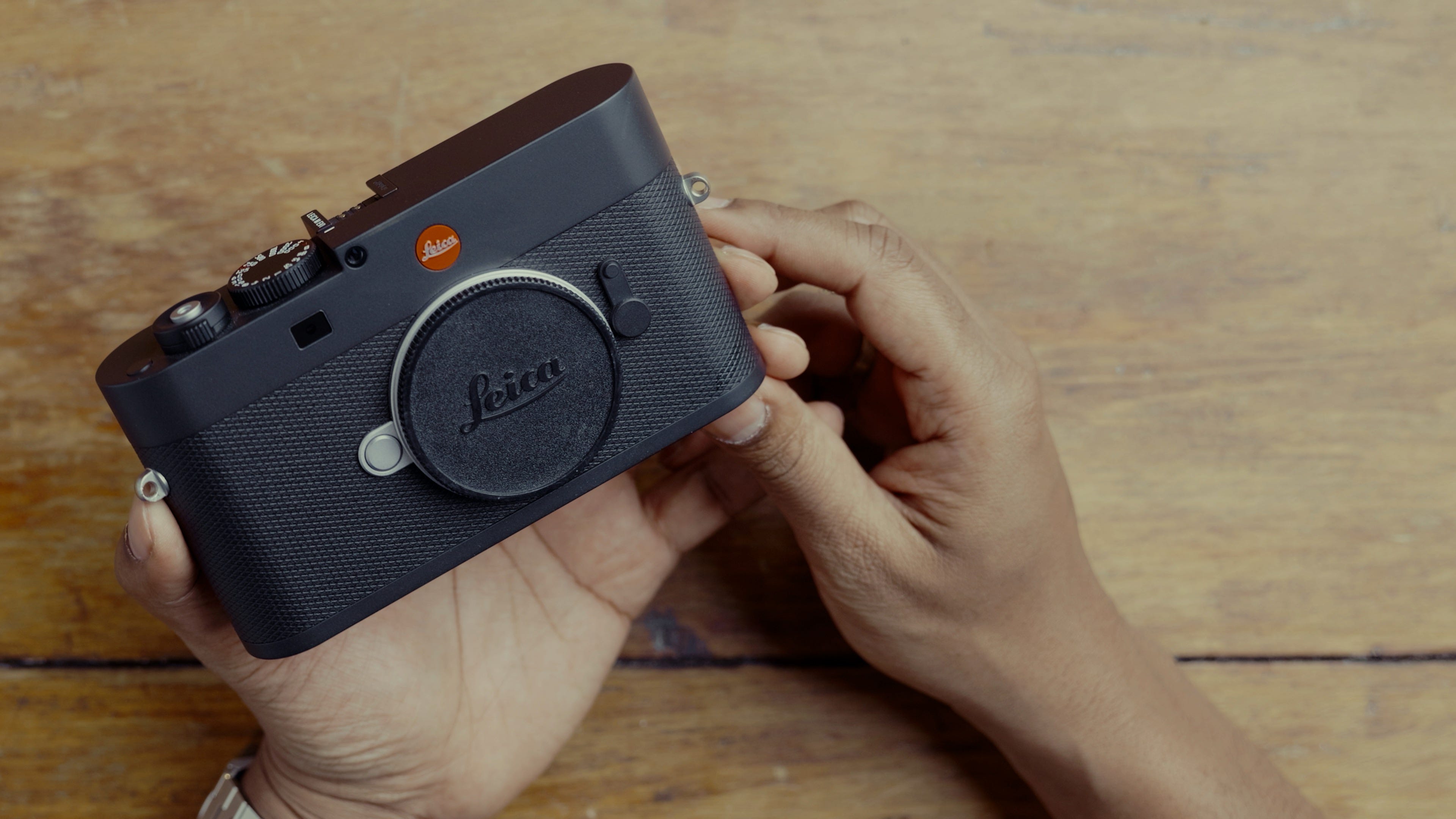
If you know me, you know I plan for contingencies. I packed a third digital body in the event that one of the others failed, however slim those odds may be. For this trip, I packed a Q3 43. This camera has been seeing more reps in my personal work and is just plain fun to use. It also helps that it can be operated with a single hand.
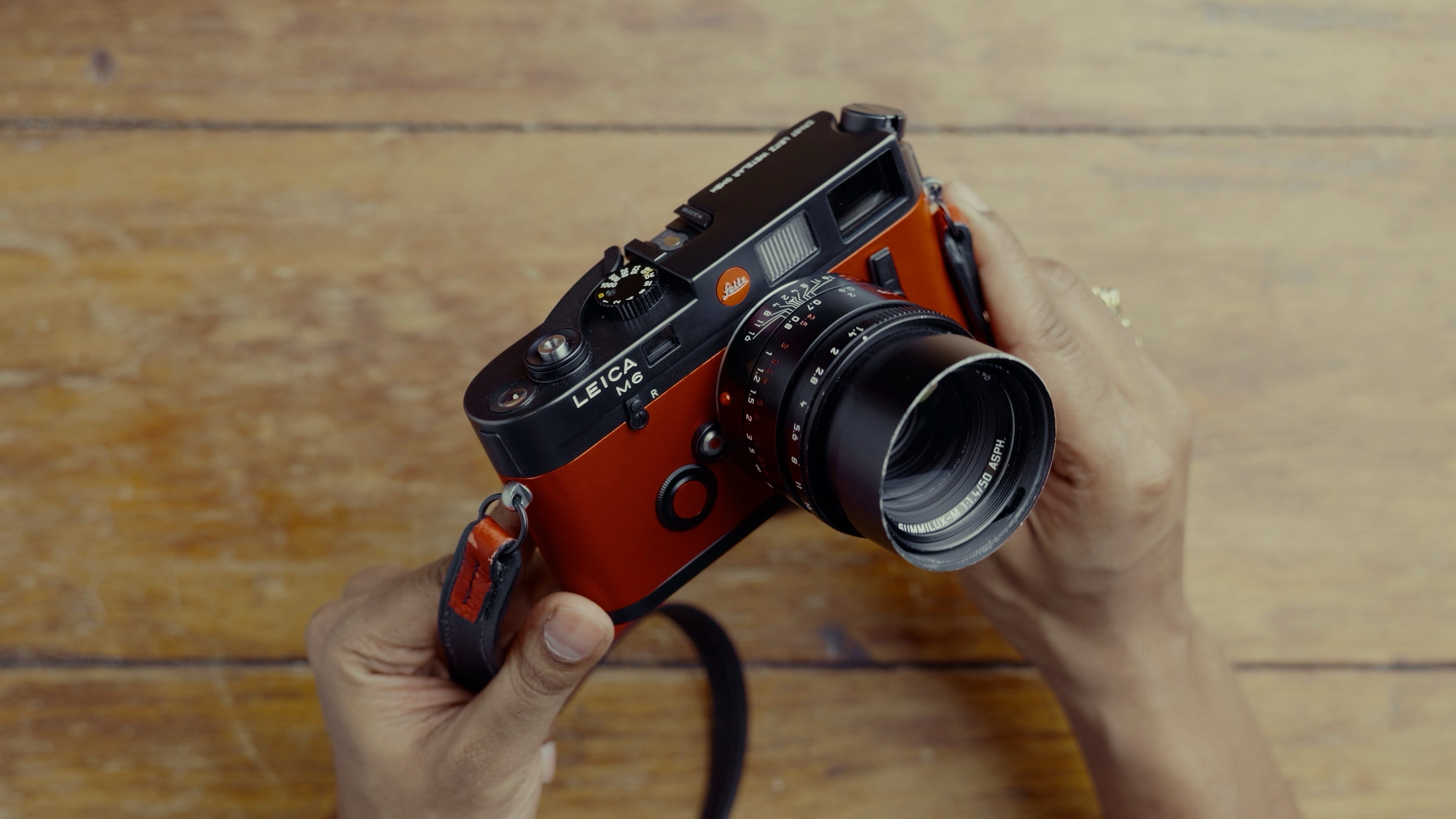
There was one more camera I brought—one that stayed with me at all times but was used most sparingly. With Salgado and Darwin at the core of my inspiration, I brought my Leica M6 to develop a story on film. My hope is to create work that feels timeless while channelling those pioneers.
How many lenses are travelling with me?
My approach to lenses for documenting landscapes is informed by my approach to portraiture and fine art. It is a little more unconventional than what most would reach for first. My SL3 was paired with the SL 90-280mm APO. Combined with a 60 MP sensor, this provided incredible reach to carve out the exact slices I wanted for my work.
For the Leica M EV1, I borrowed the Summilux 90mm once more. Though beefy for M, in my eyes it’s a tiny telephoto I can use to really paint the environment. The wide aperture also proved to be valuable when the lighting got challenging. For my analog M, I leaned on my Summilux 50mm.
Lastly, I packed the Summilux 21mm lens for a few commercial shots. This lens wouldn’t inform my personal work. It was solely for group situations I wanted to document and deliver as an extra for my friends at Quark.
What bag did I take with me?
The backpack I rely on most is the Wandrd PRVKE 31L. With its modularity and expanding roll-top design, this backpack delivers a lot of versatility. However, there’ve been growing issues with smaller airports and carry-on restrictions. With that in mind, I decided to give another bag a try.
For this expedition, I’m test-driving the COOPH Helioflex backpack. I received this from the team at Leica last year and haven’t had the chance to bring it on a photography adventure. It’s a slimmer bag than the Wandrd, features more modularity—where the camera compartment can be used as its own sling—and forces me to put less on my back. If it turns out to be a great solution, I’ll be sure to revisit it in a future story.
Any other essentials I packed?
A few more items made the cut that I consider essential:
Leica M-to-L adapter: Provides the flexibility to adapt my M lenses to my SL3.
Leica Monopan 50: A low-ISO black and white film stock for my M6.
Leica Multifunction Handgrip: Doubles the battery life for the SL3.
Mac Studio: Powerhouse computing solution for long trips with video work.
Espresso Pro 15: These high-quality P3 displays are a joy to use and join me on every major trip.
Whether it’s the timelessness of a film body or the versatility of an SL, every piece of glass and metal in this bag was there to ensure that when the light hits the peaks, I’m ready to catch it.
If you have questions about how this kit handled the elements, or you’re curious about why I left a specific focal length behind, drop a comment and let’s get into it.
Previous Favourites
March Contest Winner
Congratulations to the winner of last month’s contest:
Kwadwo N.
You’ll receive an email directly from me on receiving your prize. Enjoy!
NEW April Contest
This month, I’ll be giving away a $200 gift card to the Moment Shop where the winner can save big on their next camera, lens, bag, or courses. Moment has so many creative products to choose from and $200 can absolutely make for a great deal.
How will I pick the winner? Make sure you’re signed up for this newsletter then leave a comment on at least one post from this month. I’ll be randomly picking one person, confirming they meet the requirements and contacting them directly before announcing the winner publicly.
As always, this contest is void where prohibited by law. Good luck!
My thanks to the team at Moment! Not only for this contest but for being the longest supporter of my work online. They’re a lean team of passionate creators that truly believe in supporting other creatives on their journey. Whether it’s a new camera, lens, workshop, or just some great articles, visit ShopMoment.com today.
What’s Next?
Over the next few weeks, I’ll be sharing some special stories from my time in Patagonia. For those of you that are members of Church & Street, these are some of my favourite pieces and I can’t wait to share them with you.
Stay tuned.
GB
I like the heterogenous selection of gear you brought. Not a light pack, but I was in Patagonia last year, and given the diversity of the terrain there, I feel you will likely use everything you packed...!!!