

The Leica SL3: Two Years Later
This camera isn’t what it used to be

While you shouldn’t invest in a creative solution today solely on the hope it’ll be better tomorrow, it’s refreshing to witness a brand actively confront technological obsolescence in the imaging space.

When I first reviewed the Leica SL3, what stood out most was the commitment to great design, the nearly unmatched durability in the field, and the incredible optics that plug into the Leica image pipeline. It’s a unique offering for intentional photographers who cared as much about the experience as they did about image quality.
However, while I appreciated what the SL3 did for my workflow, if megapixels weren’t critical to my deliverables, I’d choose a different camera. It’s a sentiment I think many Leica users could understand. But that has changed.
Two years in, the SL3 has matured enough to drastically shift its market position. So much so, I’m dedicating this entire story to that evolution. You see, every blog, review, and video published about the Leica SL3 before 2026 is practically useless. And that’s because of one thing: firmware.
Upcoming Events & Workshops
Leica Connect: Photo Stories from Around the World - Seattle
I’ll be joining a free event at Leica Store Bellevue for an evening of stories from my recent photography adventures with my SL kit. If you’re in the greater Seattle area, come by and let’s connect.
Leica Akademie: Video for Photographers
The next Video for Photographers Akademie is coming to London this June. Sign up here to be notified.
Seats for my 2026 India workshop are currently sold out. If you’re still interested, you can join the waitlist here to be notified if a spot opens up or when new dates become available.
Room For Growth
The engineers at Leica included three components that have ultimately given the SL3 some more longevity: a CFexpress card slot, double the memory buffer, and the Maestro IV processor. These pieces create a generous ceiling for the camera to evolve into over time. And if I’m being honest, it didn’t take much time at all.

The Leica SL3 now powers on in under two seconds. The autofocus algorithm has seen a jump in performance that didn’t seem possible. There’s built-in Frame.io support for wireless uploads. A new multi-shot mode opens the door for 240 MP images when you need a great reference. ProRes recording at a cinema 6K resolution is now unlocked, alongside an anamorphic de-squeeze option in video mode. With new Leica Looks and refinements to the UI, it’s a substantial improvement over what the SL3 once was.
Outside of the multi-shot mode, these were all updates many of us had asked and hoped for. To see them arrive in the first half of the product’s lifecycle isn’t just good. It’s unheard of. It really makes you wonder why more brands don’t operate like this.
Now, I should stress that these features don’t individually make the Leica SL3 a compelling product. These are like key free agent signings before a team makes a championship run. Their significance comes from how they contribute to the overall solution.
Leading The Pack
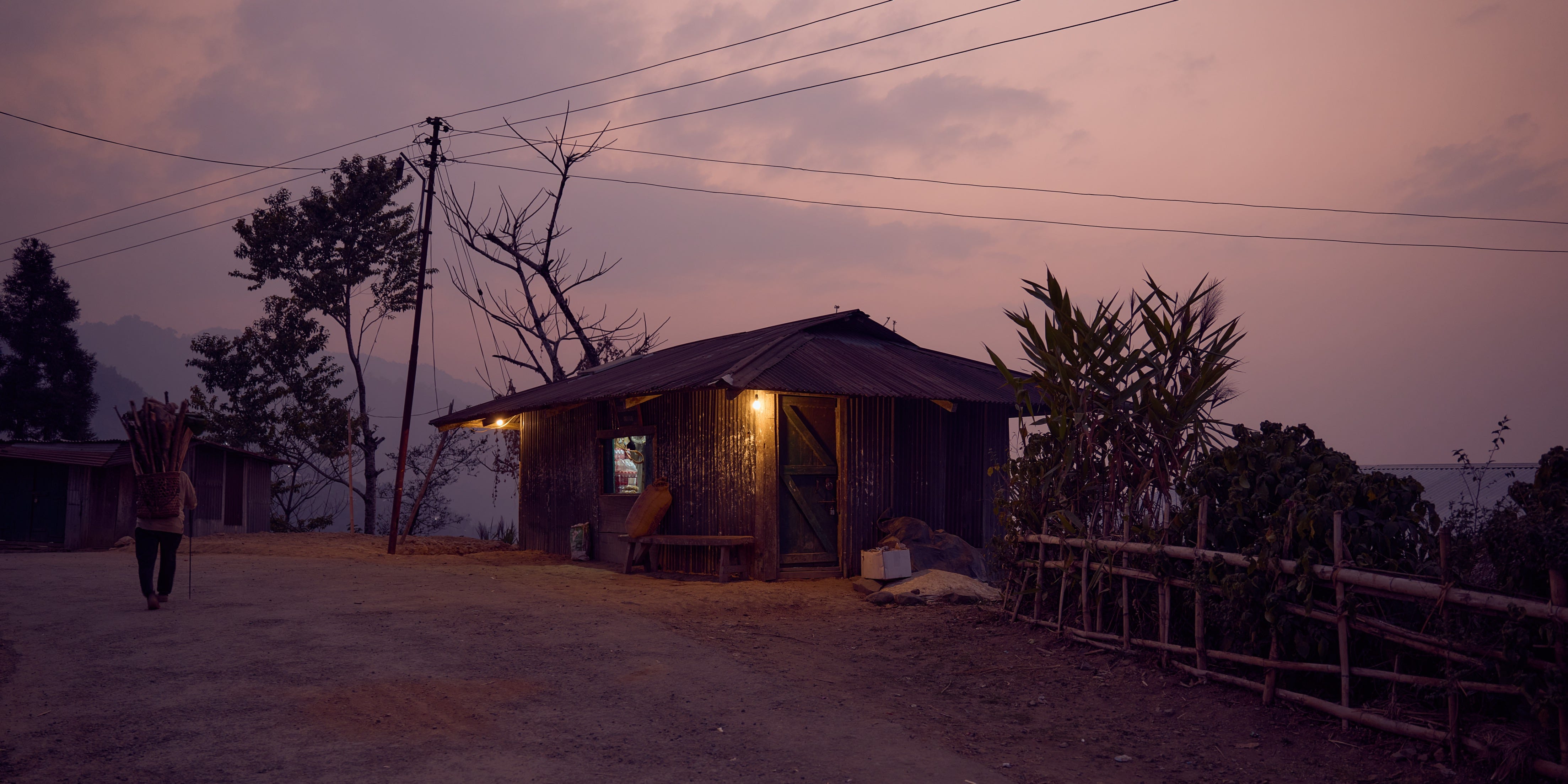
Two years in, the image quality of the SL3 remains its greatest strength. It’s this combination of resolution, dynamic range, and optics that create an environment for incredible visuals. Especially in high contrast environments—from the harsh, blinding whites of the Arctic to the deep, textured shadows of Nagaland—the 14-bit raw files are packed with rich information that you can direct for your story.
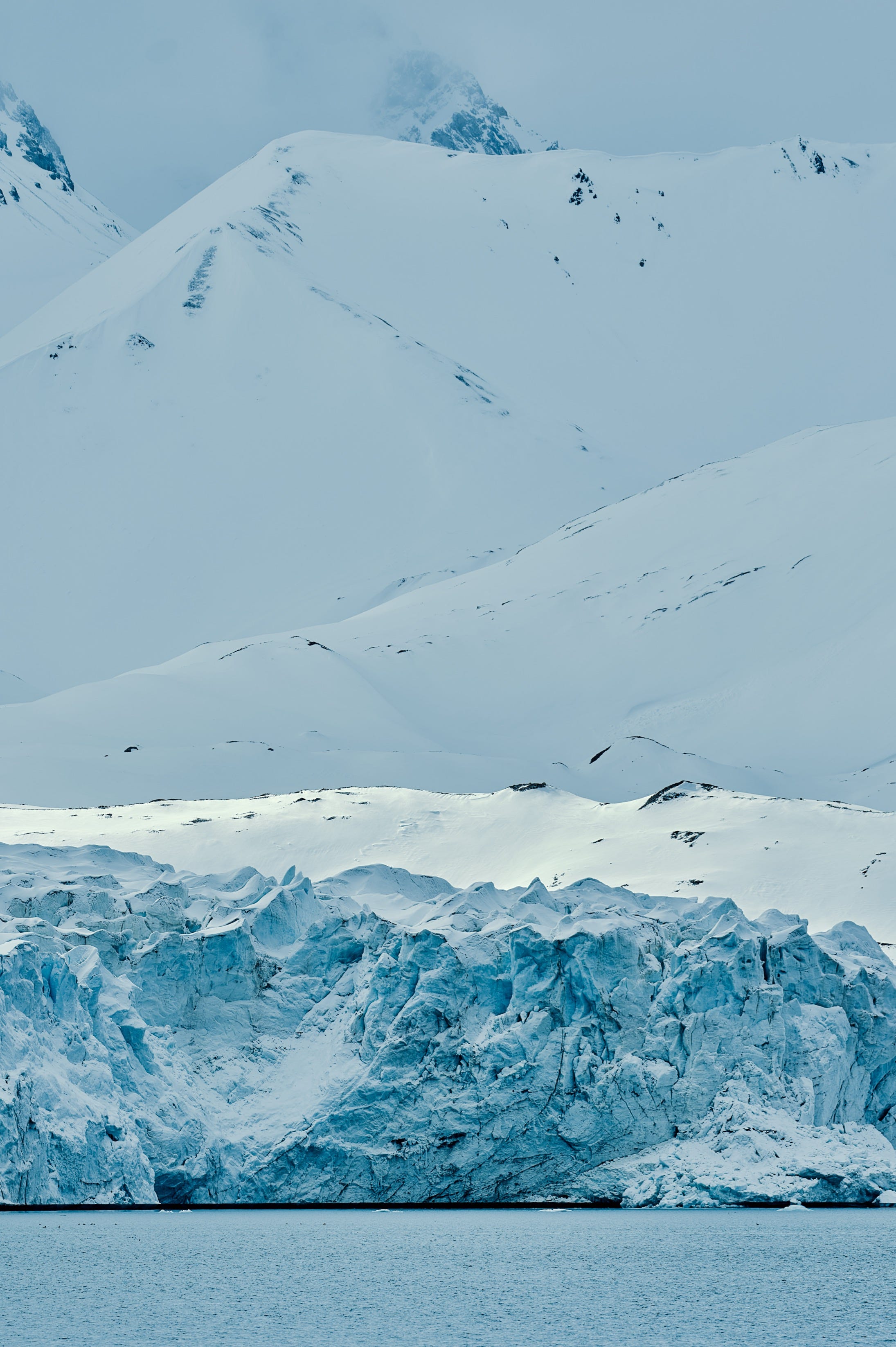
Like a Division I recruit, the SL3 easily slots into that upper tier of mirrorless cameras. You can pull details out of the shadows and hold highlights in a manner that rivals digital medium format solutions. When I was in the Arctic Circle, the sun never set but the conditions were changing constantly. It didn’t matter. The files were incredibly rich and could be pushed to these thematic extremes.
I’ve comfortably pushed to ISO 3,200 when the environment demanded it, and the colours stayed honest. If you’re asking me, this is where I’d now rate the performance ceiling for image quality. Given a base ISO of 64, there’s an incredible amount of latitude to capture striking visuals that can stand the test of time. And if you’re adapting M glass, well, there’s an easy argument that this body will perform for a decade if not more. That might sound absurd until you examine the next core strength of the SL3: durability.

This is a camera—with its IP54 rating and beefy housing—designed to work in extreme conditions. It wasn’t enough for Leica to create something that could perform in air-conditioned studios or ‘courageous’ photo walks on New York streets. The SL3 should be able to work everywhere on earth.
Whether it was frosty Zodiac rides in the Antarctic, prolonged heatwaves around the equator, or the variability of a place like the Indo-Myanmar border, the Leica SL3 kept performing. I wish I didn’t have to dedicate two paragraphs to this, but it’s 2026 and many brands are still shipping top dollar cameras that can’t keep up in demanding environments. Paired with the recent firmware updates, the durability of this camera gets to be enjoyed across a wider gamut of situations.
Then there’s the design of this camera. This is what rounds out the core strengths of the SL3 and on that note, let’s jump into the latest iteration of the design.
The Reporter
The Reporter line occupies a distinct space in the Leica narrative, serving as a functional tribute to the brand’s deep-rooted history in photojournalism. While standard models are often celebrated for their elegance, the Reporter series is built for the rugged side of the craft, emphasizing discretion and resilience over aesthetic polish. This philosophy is realized in the Leica SL3 Reporter through a matte, scratch-resistant dark green finish and a high-strength aramid fibre trim.
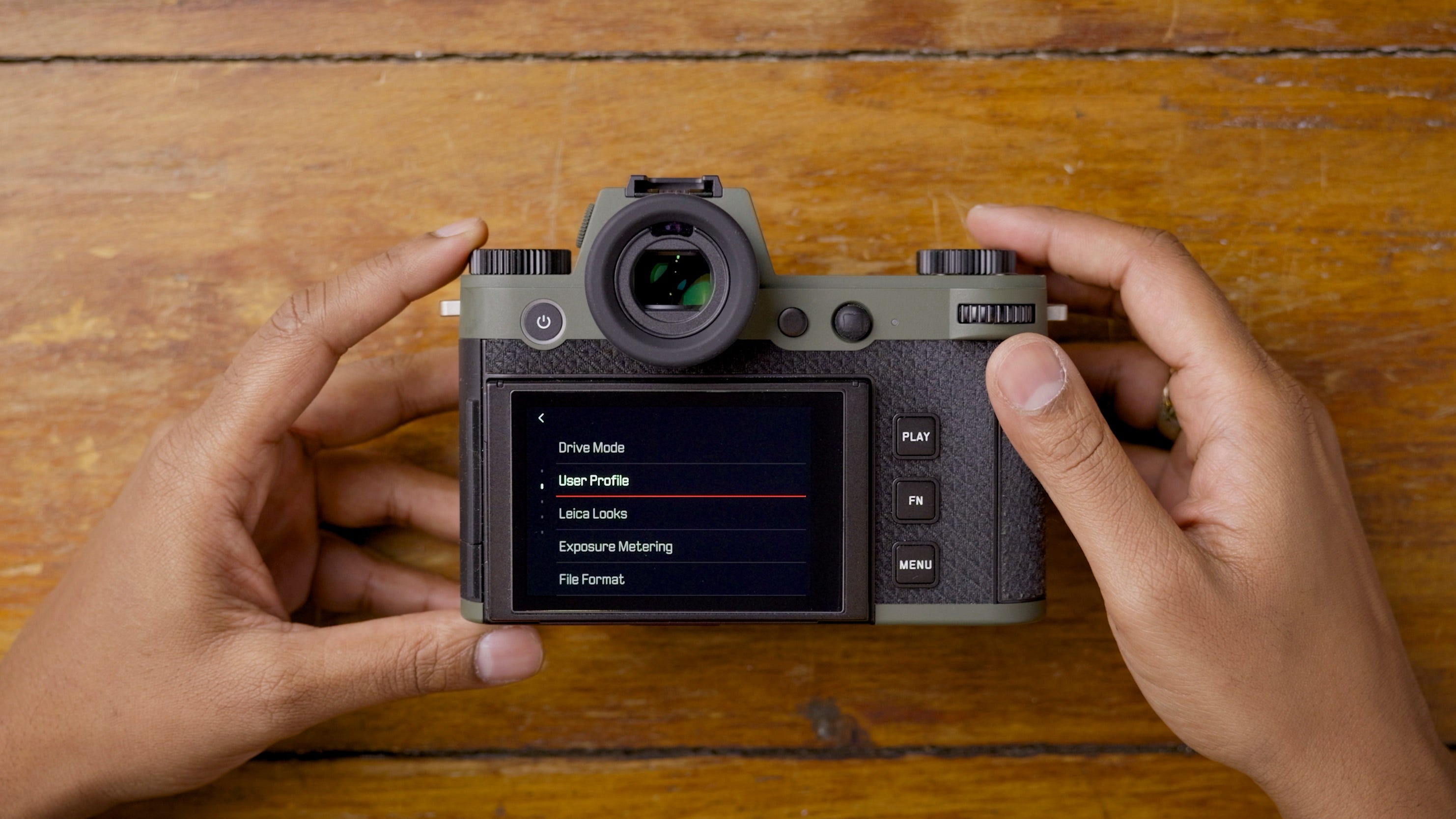
The aramid material is essentially body armour for the camera. It’s comprised of the same synthetics used in ballistic protection and provides an enhanced grip while being nearly impossible to tear. True to its field-oriented purpose, the camera deliberately omits the iconic red Leica logo, allowing it to be more inconspicuous in sensitive environments.
Over years of use, the olive-toned finish and textured trim are designed to develop a unique patina, turning the camera into a visual record of its journey. Anecdotally, this seems to have people split. Personally, it couldn’t suit my work any better. I love when a camera can tell you it’s been on adventures and seen some crazy sh*t.

The Leica SL3 Reporter is an alternative to the sleek and stylish SL3. It keeps the same internal performance, but its housing makes it clear that it’s a tool designed for photographers who find themselves in the mud, the cold, and most importantly, the thick of the story.
Future Improvements
While the Leica SL3 has matured considerably, there’s always room for growth. I’ve covered the six major updates that significantly improve what this camera can do. Now, allow me to share six improvements I’d like to see in the near future.
First, on-screen display support. Being able to have the menus delivered and recorded over HDMI would be an incredible update for the remote monitoring, education, and even marketing of this camera.

Other brands have nailed this, and I’d love to see Leica take a crack at it: manual focus confirmation beyond focus peaking. Being able to adapt an M lens and see clear confirmation of focus acquisition—especially for eyes and faces—would be a headline upgrade. It’s the kind of thing that’ll have Leica users tingling between the legs.
We’ve seen no slowdown of Leica Looks, and with recent updates, you can even control their intensity. I’ve mentioned it many times before and I’ll say it again: I’d love the ability to control highlights, shadows, sharpness, contrast, and grain structure around these Looks in-camera.
And while this is by no means a video-first camera, I think a few more video-centric upgrades would be valuable for the entire SL ecosystem. False colour support, slower frame rate options, and the ability to independently choose your timeline frame rate would combine for a powerful evolution. These updates would broaden our ability to create, capture, and share meaningful stories. Look, I know most of you aren’t video people, but I believe these are the types of upgrades that raise all boats, so to speak.
Final Thoughts
The Leica SL3 isn’t what it used to be. It’s much better.
Over the course of two years, this camera has become a testament to a brand that actually listens to its core audience. In 2026, the SL3 feels significantly more capable than it did on day one.
Sports and wildlife are two areas where this camera can’t quite hit those high marks. While I’ve had some success, those wins are few and far in between. But in just about any other photographic environment, this camera excels while feeling great to use.

If you’re a high-output creative who’s obsessive about the experience around your process, and resolution is critical to your deliverables, the Leica SL3 should be on your shortlist. It’s the solution that convinced me to offload my digital medium format cameras and embrace a body that thrives in any environment. To know precisely if this camera is right for you, you have to truly know what, how, and how often you create. If those answers guide to an SL3, well, I think you can rest easy knowing that you have a mature product that’ll grow alongside your vision.
Previous Favourites
January Contest Winner
Congratulations to the winner of last month’s contest:
Aaron B.
You’ll receive an email directly from me on receiving your prize. Enjoy!
NEW March Contest
This month, I’ll be giving away a $200 gift card to the Moment Shop where the winner can save big on their next camera, lens, bag, or courses. Moment has so many creative products to choose from and $200 can absolutely make for a great deal.
How will I pick the winner? Make sure you’re signed up for this newsletter then leave a comment on at least one post from this month. I’ll be randomly picking one person, confirming they meet the requirements and contacting them directly before announcing the winner publicly.
As always, this contest is void where prohibited by law. Good luck!
My thanks to the team at Moment! Not only for this contest but for being the longest supporter of my work online. They’re a lean team of passionate creators that truly believe in supporting other creatives on their journey. Whether it’s a new camera, lens, workshop, or just some great articles, visit ShopMoment.com today.
What’s Next?
This week, I pack my bags for Patagonia. It’ll be nearly a month before I can share stories from this adventure but if you want a taste of what I’m working on, you can follow my trip on Instagram.
GB
great article! sad to hear it doesn't excel in sports haha, but I might have to upgrade to this for my everyday/travel camera. Appreciate the insight!
I have never known of a photographic brand as attentive to its customer base regarding technical feedback, nor do I know of one willing to make such significant updates. Many don't pause to think of how big a deal it is, for other brands, this would be cannibalizing future sales - Leica plays a long game while still releasing gear at an impressive pace.