

Leica Q3 43 Long-Term Review
An year-long journey rooted in photography first

There are moments in sports history where a player comes along who truly strikes the fear of God into their opponents. It’s a short list, and you’re probably thinking of someone right now. The person I’m thinking of?
Randy was a Major Leaguer who could spit fire and throw lightning. Standing 6’10” with a pitching motion that looked anime as hell, he truly struck fear into his opponents. But here’s the thing: the man really only had two pitches, a screaming fastball and a nasty slider.
He didn’t need a dozen pitches to trick batters. He was a specialist. As long as he was locked in and had a coach who could play to his strengths, the game was over.
I think you know where I’m going with this.

The Leica Q3 43 isn’t trying to be everything for everyone. It does a few things incredibly well and as a result, becomes an invaluable tool in the hands of a competent user. This camera has garnered a lot of attention for Leica, and rightfully so. But throughout all that discourse, I think much has been exaggerated, both in its strengths and its weaknesses.
In this review, I’ll share my experiences using this camera all over the world, how it holds up in demanding environments, and ultimately, who should be interested in a camera like this.
Upcoming Events & Workshops
Leica Akademie: Video for Photographers - London
This June, I’m leading a two-day workshop in London for photographers who want to learn video. Whether you’re looking to create short films, branded content, or simply elevate your visual storytelling, this workshop provides a practical introduction to filmmaking. Sign up here.
Seats for my 2026 India workshop are currently sold out. If you’re still interested, you can join the waitlist here to be notified if a spot opens up or when new dates become available.
Who Is This For? The Short Answer
The Leica Q3 43 is for the photographer who wants a fixed-lens camera that scores incredibly high in optics and image quality while still being a joy to carry. More specifically, it’s for those who shoot with the intention of bringing awareness to a subject rather than a scene.

Whether it’s the professional who wants an escape from the burden of their Byzantine bodies or the hobbyist seeking simplicity in every step, this camera is designed to generate momentum and minimize friction. The perspective of the 43mm lens complements this by drastically limiting what’s in the frame compared to a 28mm lens.
In short, this camera is for the artist who appreciates that constraints breed creativity, and values a tool that feels like an instrument rather than a gadget.
The Power of 43mm
For nearly a decade, the Leica Q series only shipped with a 28mm lens designed to capture wide views that iPhones made popular. Though well-received, there was a vocal group that kept asking for a Q with a tighter perspective—something designed to focus on a subject more than a scene. But do you go with something as conventional as a 50? Or something a little more nuanced like the 35?
Turns out, you split the difference.

Oskar Barnack created the first 35mm film camera and, during the design process, hoped to produce a 43mm lens because that was roughly the diagonal distance of a 35mm frame of film. This magical math would create a sort of “true normal” that minimized distortions in perspective. But time and budget constraints resulted in a 50mm lens actually being made instead.
A hundred years later, Leica has a 43mm lens, and with it comes a look that doesn’t stretch or compress a scene to dramatically alter the relationship between objects in the frame. Proportions feel accurate and natural, which leads to a more honest dialogue between elements in the frame.
Now, some will argue that this most closely mimics the human eye and thus shows us the world as we perceive it. I still believe this is bullsh*t.
While the math and science might favour a 43mm perspective being what our eyes see, what we perceive is wholly different and intimately tied to our emotions and experiences.

That being said, when you raise this camera to your eye, there’s far less translation required. You’re not punching into the seams of the world or widening to an entire field. You’re simply acknowledging a subject within their immediate space.
Deciding if the Q3 43 is right for you is a decision in understanding what you perceive, and not just what you see. This camera creates an effortless perspective that rewards photographers who want their viewers to feel like students: observers of a lesson unfolding.
Image and Lens Quality
High quality optical design is about melting, molding, and manipulating glass so that it can bend light onto a sensor as cleanly as possible. The lenses that do this best often have a special names in the camera industry. For Leica, they’re called APO, shorthand for apochromatic.
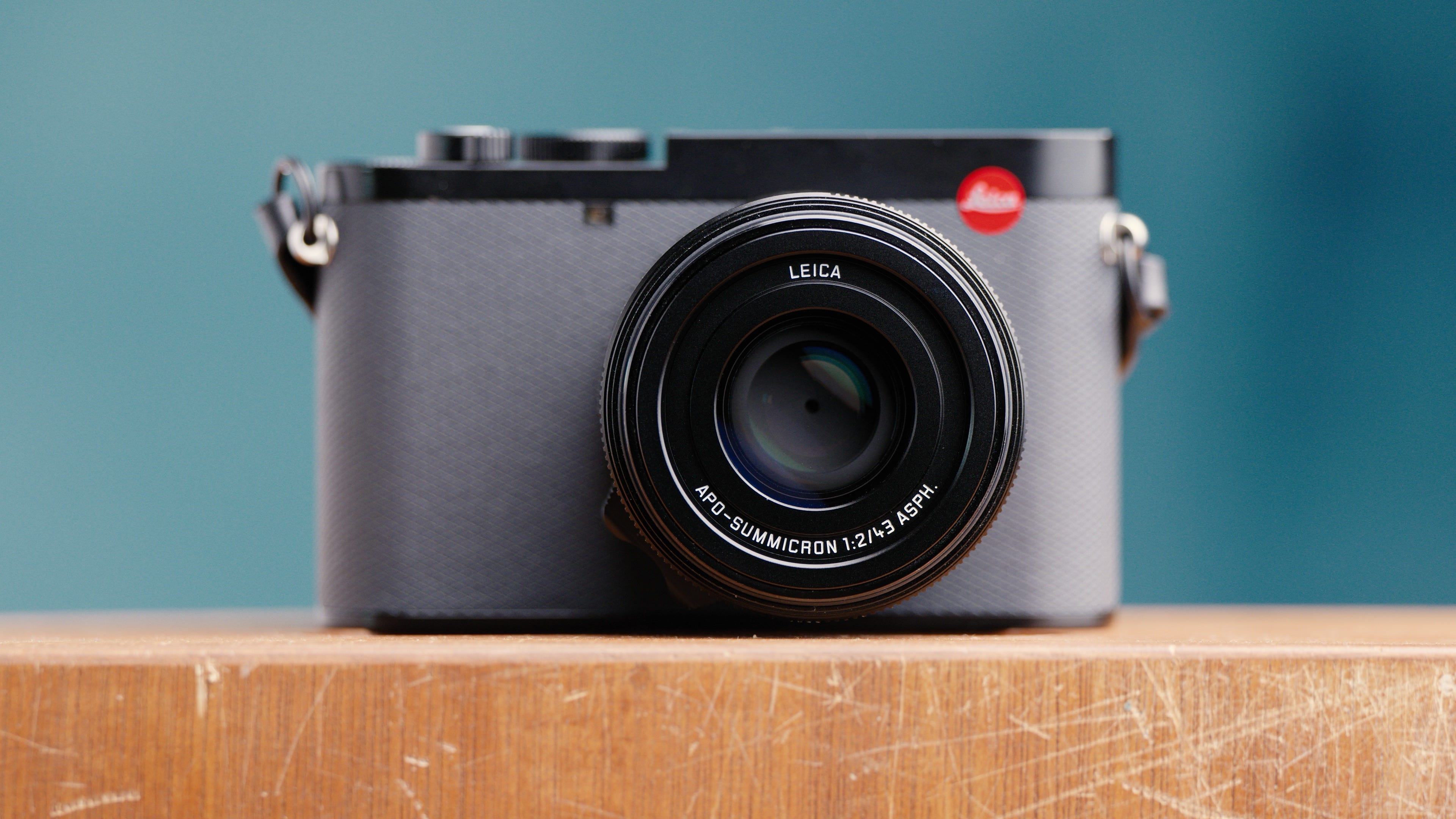
At the heart of this camera is a APO-Summicron 43mm F2.0 lens that’s clearly fixed to the camera. The benefit of this design is that you only have one specific group of optical elements designed for one specific sensor. Meaning that the hardware and software are all tuned for one perspective to drive results.
And let me tell you, the results are stunning.

When you shoot into strong backlight or reflective services, there is next to no imperfections. These are challenging conditions for most lenses but here, you can expect very clean results. A lot of this is done in camera but theres some back-end processing being done to carry this to the final inning.
Images are crisp, perhaps a little too much for my taste, but not so much that it feels like abrasive to the eyes. The bokeh at F2.0 feels generous. More than what you’d expect from F2.0 lens to deliver. The overall look is this interesting mix of contrast and an asymmetric depth falloff that make for an image that feels more alive.
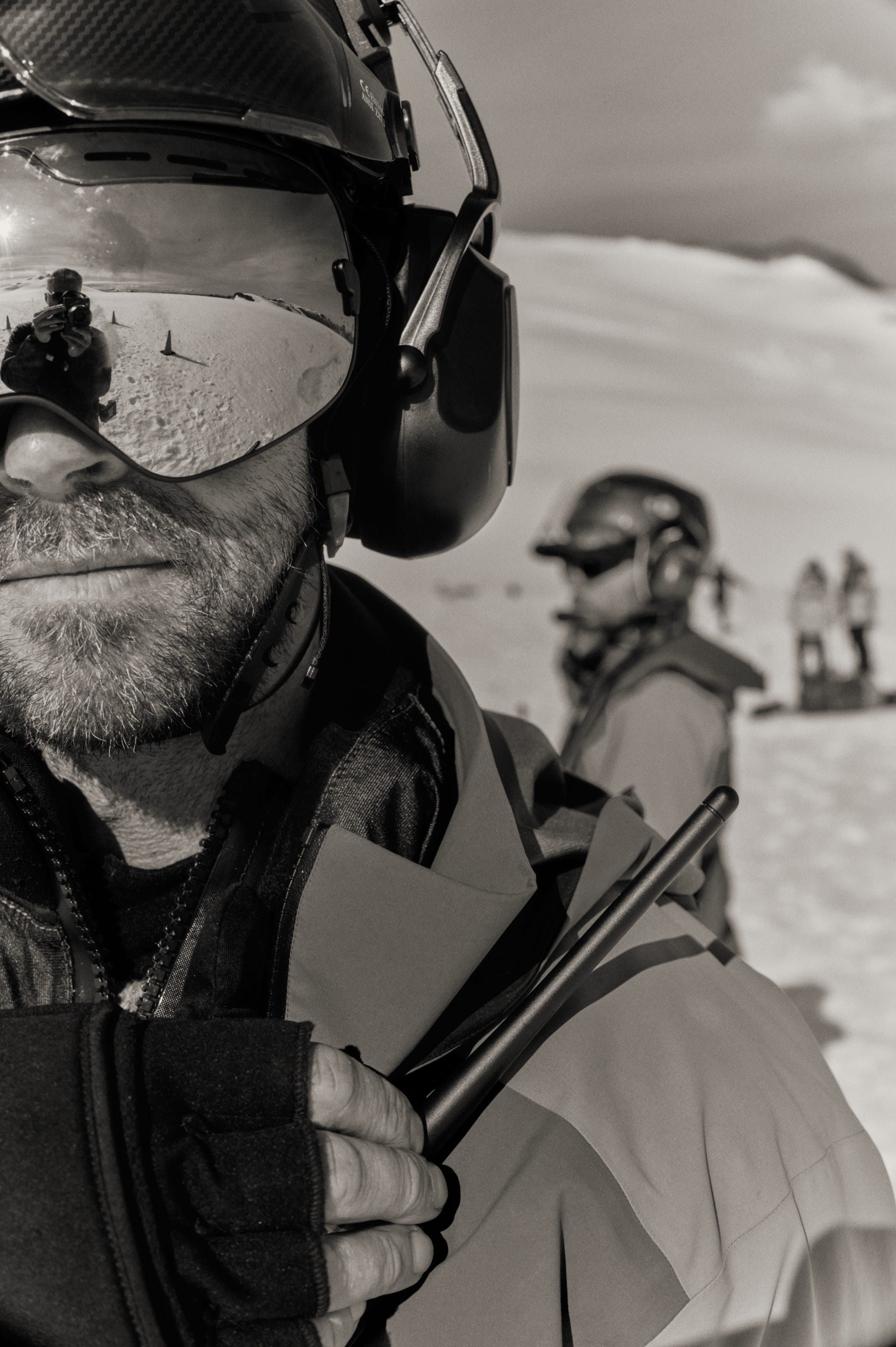
There’s a 60MP full-frame sensor housed inside an IP52 weather-resistant body (more on that body later). Off the bat, the files from this sensor offer a little more contrast and vibrancy than a Leica M11, which should please users hoping to do little to no editing. Though the 43 offers a touch less dynamic range than the aforementioned camera, there’s still plenty of room to push and pull your file into an edit that you’re happy with.
Another benefit of this sensor is the healthy amount of room for cropping. Because the starting point is a 43mm perspective, punching into a 75, 90, or 150mm crop in the moment generates more compelling results than crops you’d see from the original Leica Q3. Though, I wish there was an option to see the crop as you’re shooting it instead of just the frame lines.
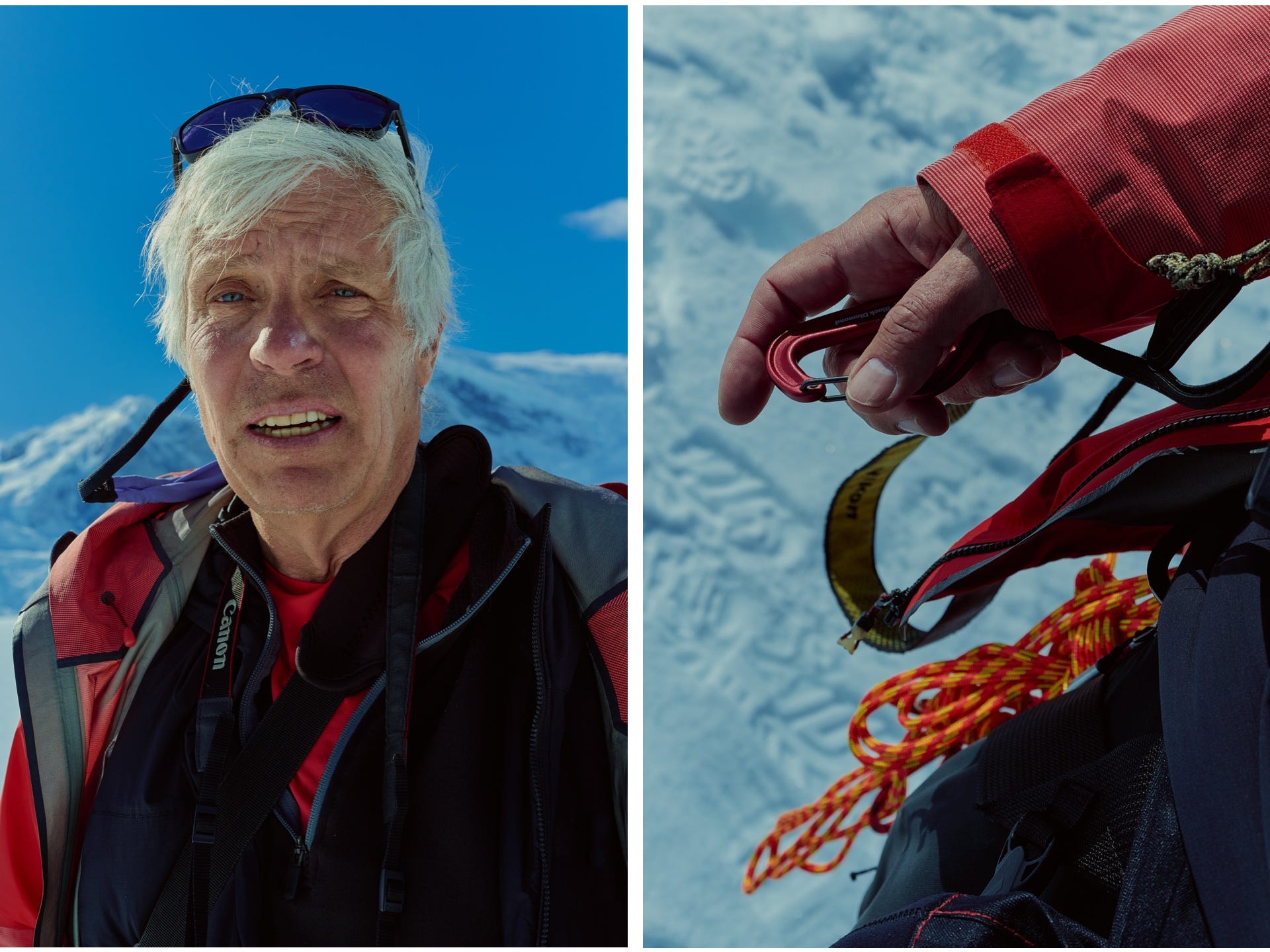
The last thing I’ll mention with respect to image quality is the macro mode. Being able to twist a ring on the lens and focus down to 27cm substantially widens the storytelling opportunities. To start off my with a few portraits then close the gap into meaningful details is one of the easiest ways to create a healthy variety my documentary work. And the Leica Q3 43 just makes that process so fluid while knocking out these flavourful visuals.
Design and Feel
A beautiful camera tempts you to pick it up, and that’s a feature. In 2026, the Leica Q silhouette remains as elegant as ever. If you’re a content creator or an operator who doesn’t prioritize aesthetics, that’s fine. But for those who value design, this camera feels immensely rewarding.
This is the only full-frame Leica you can comfortably use with one hand. That might sound trivial until you’re in the field. Having your left hand free to direct, gauge distance, hold a flash, or throw in the air like you just don’t care on the dance floor injects a dynamism into the photography process. It’s a primary reason this camera stays in my collection.
Well, that and the weather resistance.
Being able to have a point-and-shoot style camera that can confidently operate in rain and dust means that you’re not wincing when you lunge into a storm to grab that one special moment. It’s a conviction that keeps you shooting.
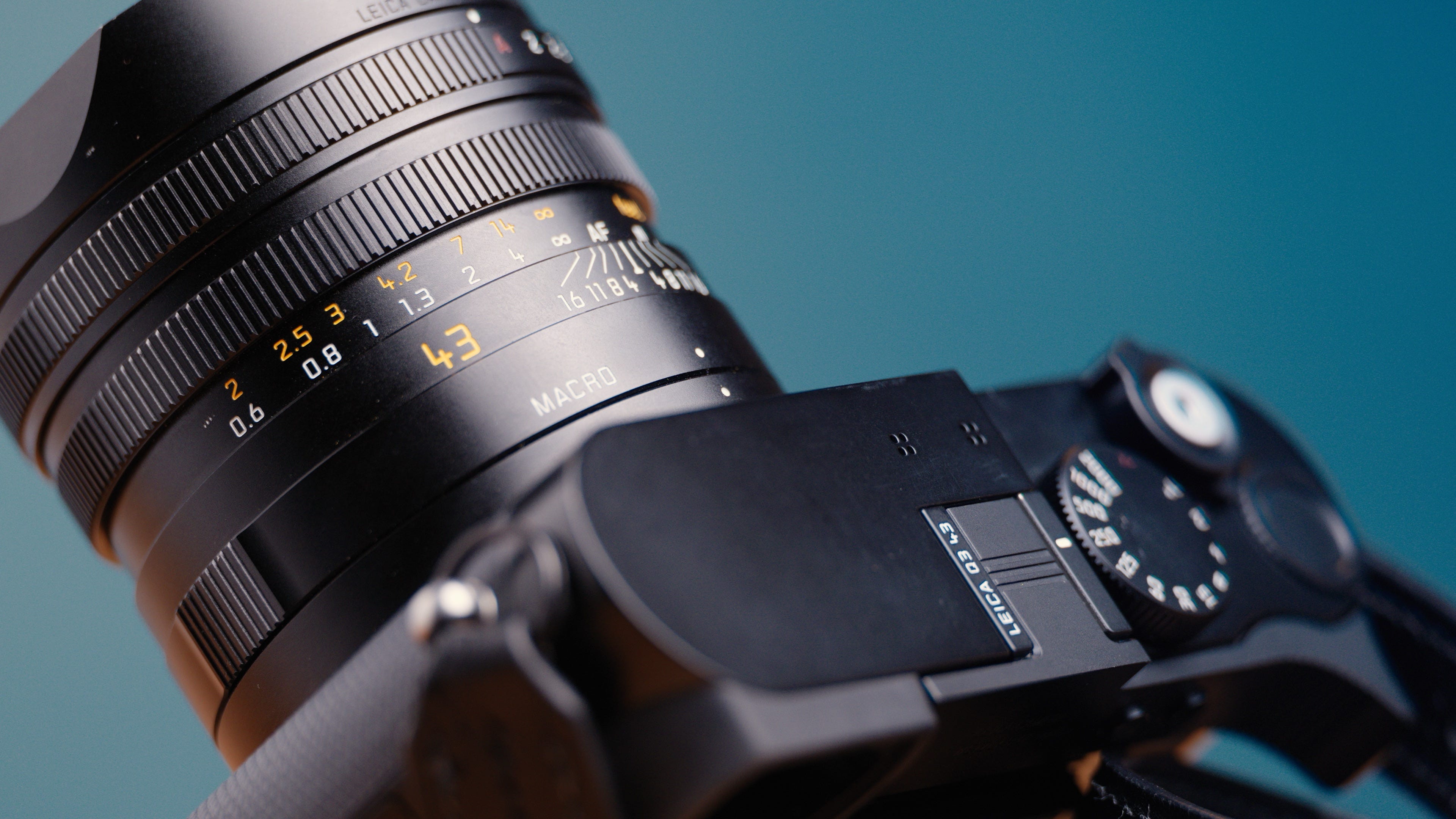
At $8,000 USD, the price makes jaws drop and YouTube bros lose their minds. People demand that a camera at this price point should do more, but they’re striking out here. You’re actually paying for it to do less.
While it captures solid 4K L-Log footage, this isn’t a hybrid camera. It’s a specialized photography tool that happens to shoot compelling video. (If you want to master that footage, check my free Leica Filmmaking Guide).
The tilting LCD improves your viewing angle, but it won’t flip around to vlog your next trip to Japan. You can customize the four function buttons to suit your workflow, but you won’t find a dozen more controls like you’re piloting a Gundam suit. These aren’t deficiencies. They’re deliberate decisions that craft a specialized tool for photography rather than hybrid workflows.
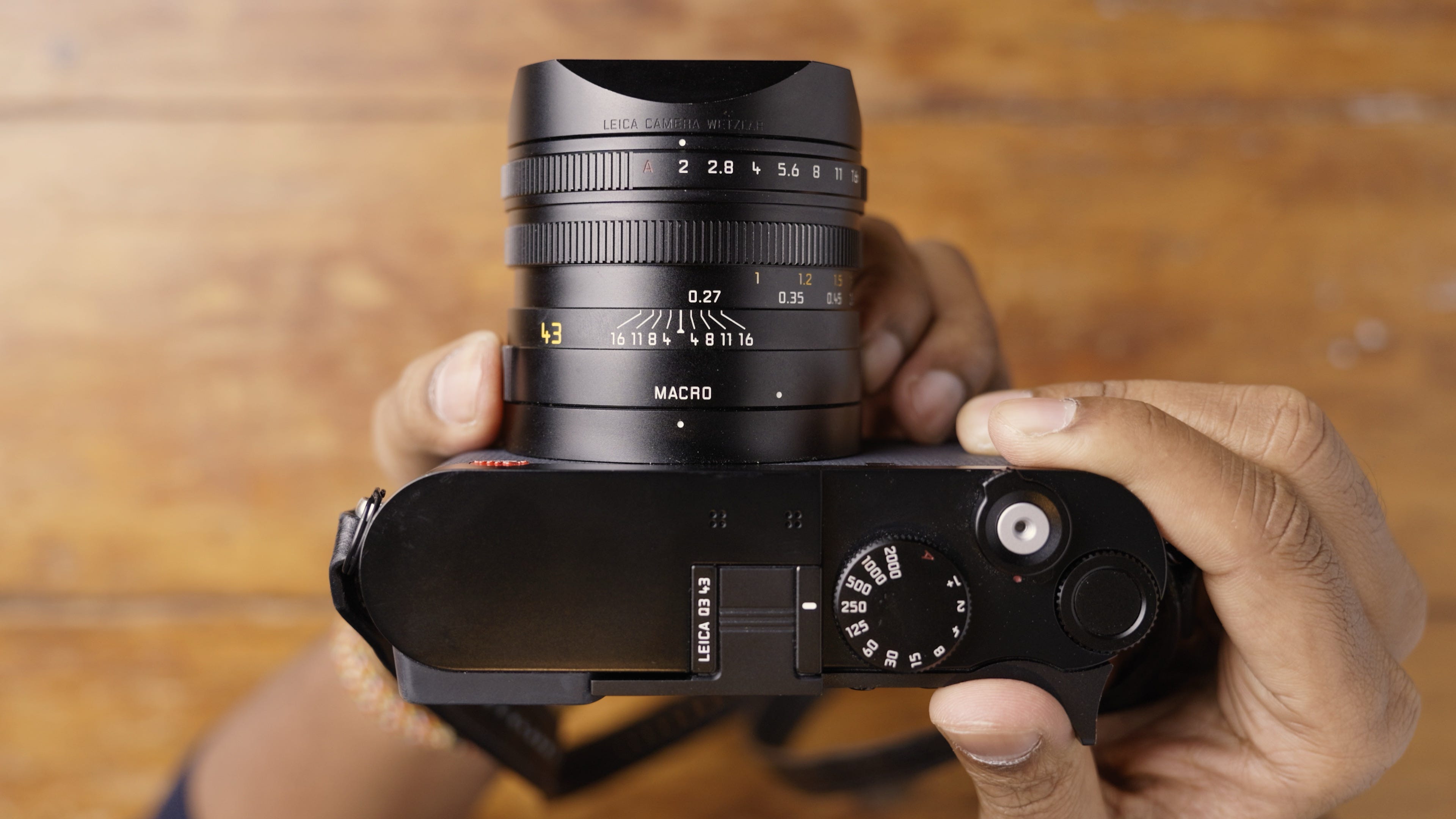
Leica hasn’t messed with the formula, nor should they. The Q3 43 feels like a solid block of metal and glass with ergonomics tuned for reflexive shooting in almost any weather condition. Leveraging User Profiles to tailor to your specific environments elevates the experience further, where you can dial in all your settings and features.
The optical image stabilization is invaluable, ensuring the camera preserves moments in tough lighting. This is especially helpful when you have to hand the camera to someone else.
With Leica Fotos, the mobile connectivity is so fast the camera feels tethered by an invisible wire. Moving from shutter click to gallery preview in seconds is remarkable. It’s a massive achievement that respects your time.
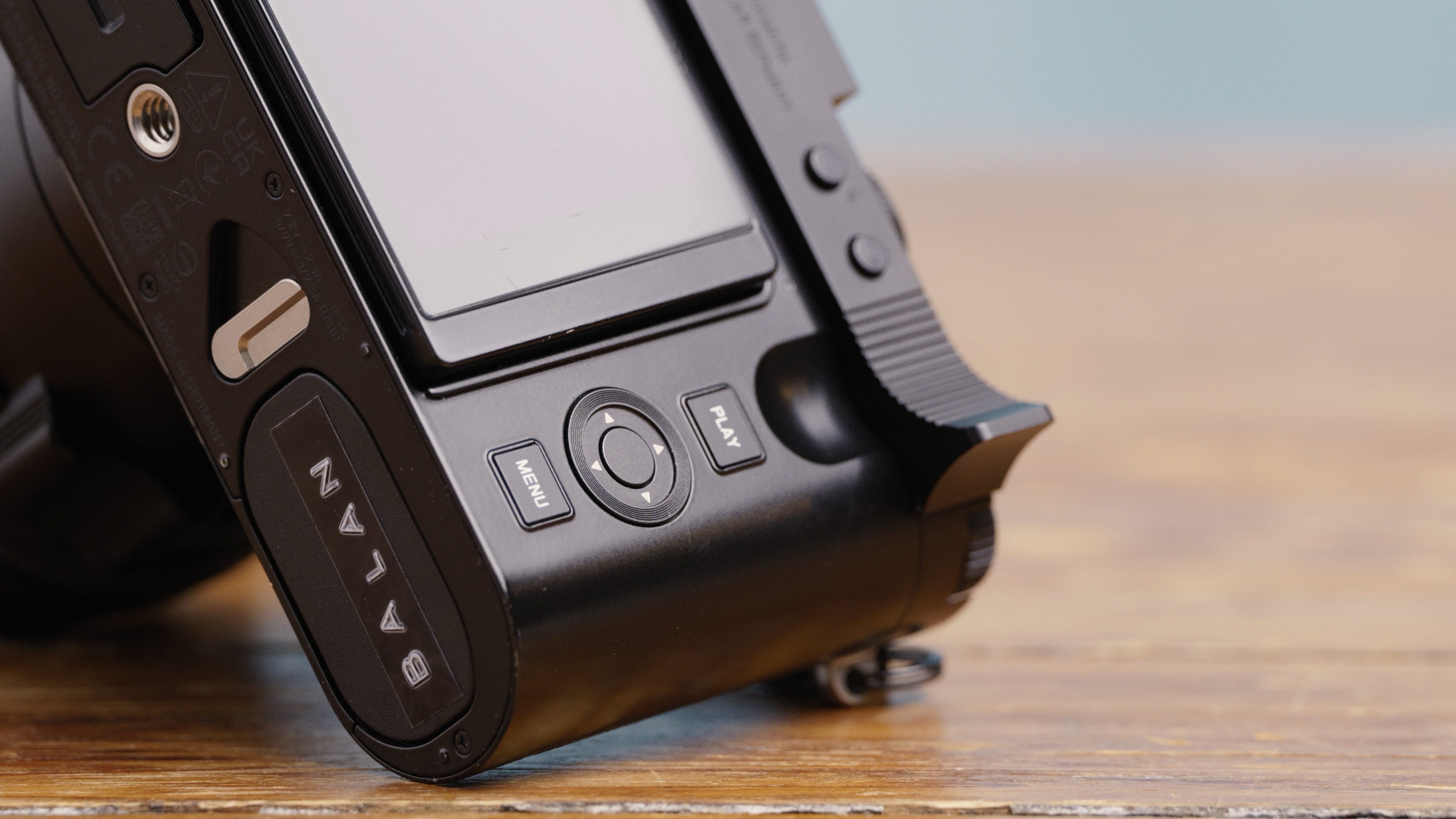
Finally, there are the software updates. Leica has built a reputation for meaningful annual upgrades, not just bug fixes. This Q3 43 is noticeably faster than it was at launch, powering on in under two seconds and acquiring focus much quicker. You shouldn’t invest based on the promise of future updates, but there’s no denying the reputation Leica has earned here.
Room for Growth
One of the biggest reasons I waited over a year to review this camera was to see how it improved over time while testing it in a variety of environments. The camera has gotten much better, but there are still a few upgrades I’d like to see.
The continuous autofocus, especially with subject detection, seems to lag behind the SL series. While single-point autofocus is great, I’d love to see that same assuredness in continuous AF performance.
Like I mentioned earlier, being able to see a preview of the digital crop instead of just the frame lines would be a welcome upgrade to the in-camera experience.
I’ve been asking for an easy-to-use double exposure mode for years and this camera would be the perfect guinea pig to test it on. It might still be wishful thinking, but what the hell, let’s keep asking.
Frame.io support has arrived for the third generation SL cameras and since this Q shares the same processor, I think it would be a worthwhile feature to include in a future update. Imagine you’re working on a story with a team and you’re documenting in the field while images are being remotely uploaded for your editor to review and make selects in real-time. It’s definitely playing to a minority but one that makes for incredible workflows.
The UI has seen changes, but odd quirks remain—like the inability to get a clean view of your images without icons cluttering the frame. Leica is apparently aware of this and working on refinements for the coming months.
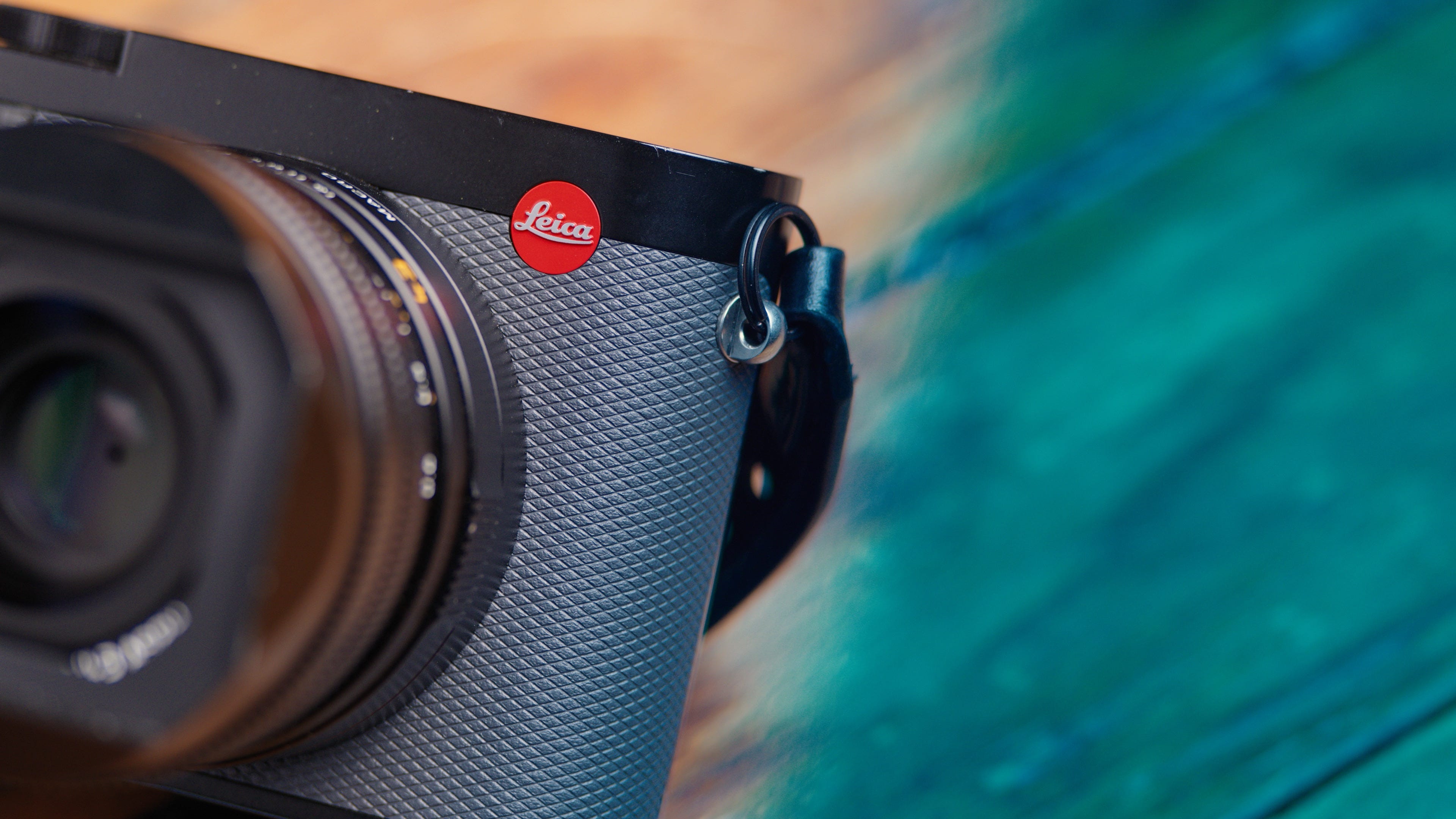
There are some ways this camera can’t get better. So if I’m in the manager’s chair, here’s what I’d like to see in the next version:
First, pull that macro mode closer to a 1:1 reproduction or 15cm minimum.
Second, improve the mechanical shutter to 1/4000s or better to more comfortably shoot wide open during the day.
Third, redesign the included hood to easily adapt filters.
Fourth, as an alternative to the two points above, integrate an ND filter into the camera.
The Leica Q3 43 isn’t a perfect camera, and none of these upgrades will make it so. But I believe achieving even half of this list would establish it as a hall of fame product in a crowded league.
Differentiating from the Field
There’s a healthy group of alternatives to the Leica Q3 43 on the market, but for me, they just don’t capture the same spirit. Most options are built like computers, overloaded with menus, buttons, and features beyond the scope of what a camera like this should do. At least, if you’re asking me.
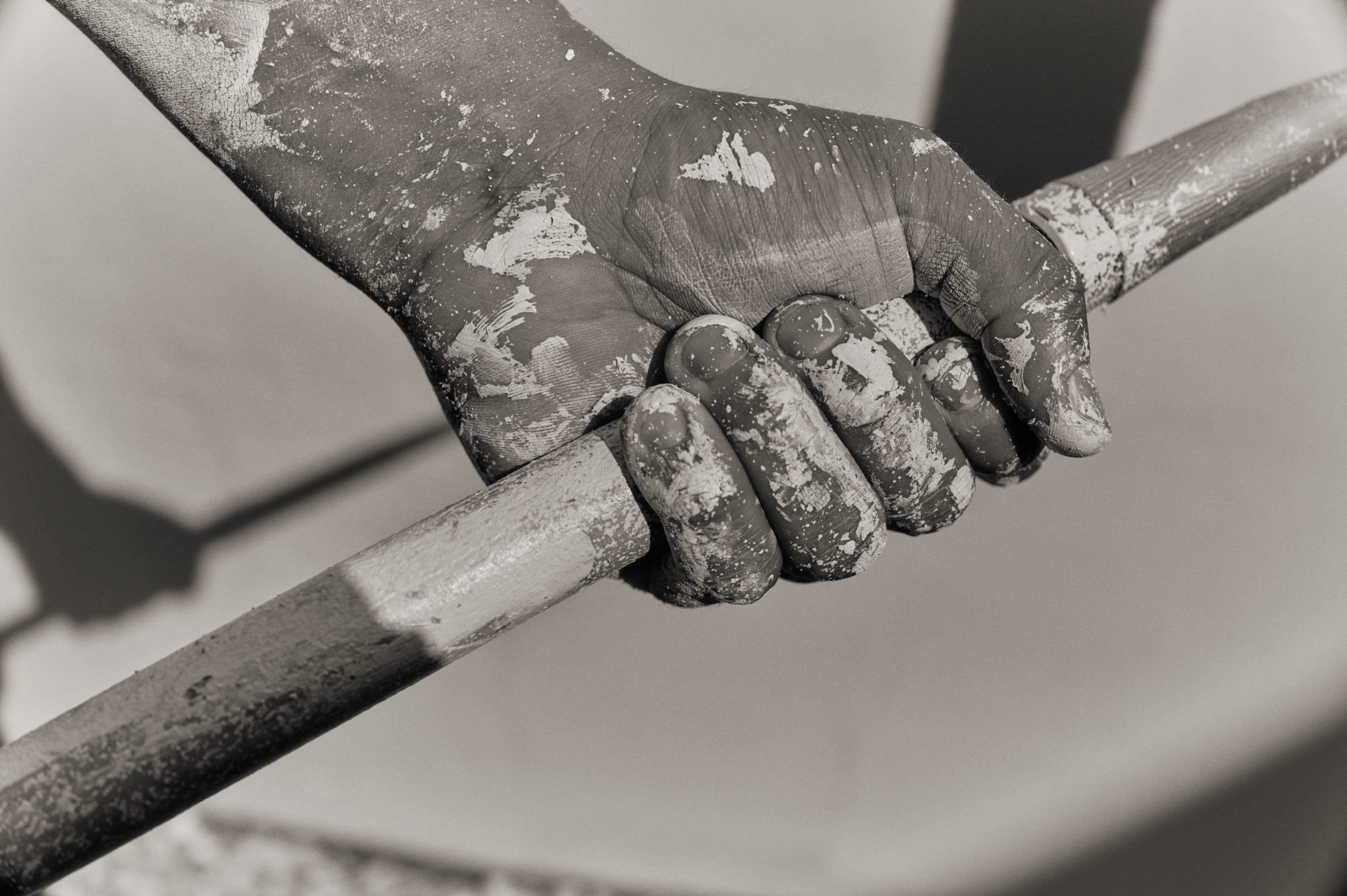
Many point-and-shoots suffer from trying to do everything instead of nailing the photography experience. Look, I’ll be the first to admit this won’t be an issue for most people, but I’d like to share a few anecdotes.
I remember sitting with the Sony Alpha team years ago, compelling them to bring the RX1R back with a more refined iteration. They didn’t. Instead, we have a feature-rich camera with as much soul as a doorknob.
I remember speaking with the Fujifilm team in Tokyo even earlier, begging them to streamline their menu system, elevate their app, and distill their products into something tuned for photographers. They didn’t. Instead, they’re on a quest to appease every content creator possible while neglecting their core audience.

This might sound like the ramblings of a staunch Leica supporter, but let me be clear: I want to see more competition for Leica. In my humble opinion, I just don’t feel that there are enough imaging products that marry incredible image quality with fantastic design. And design matters.
I want Leica to feel more pressure in this space. I want more manufacturers making solutions that prioritize photography and the photographic experience.
Everyone is so focused on chasing the next trending video that they ignore the photographer and fan the flames of meaningless debates over technical minutiae.
It’s reductive.
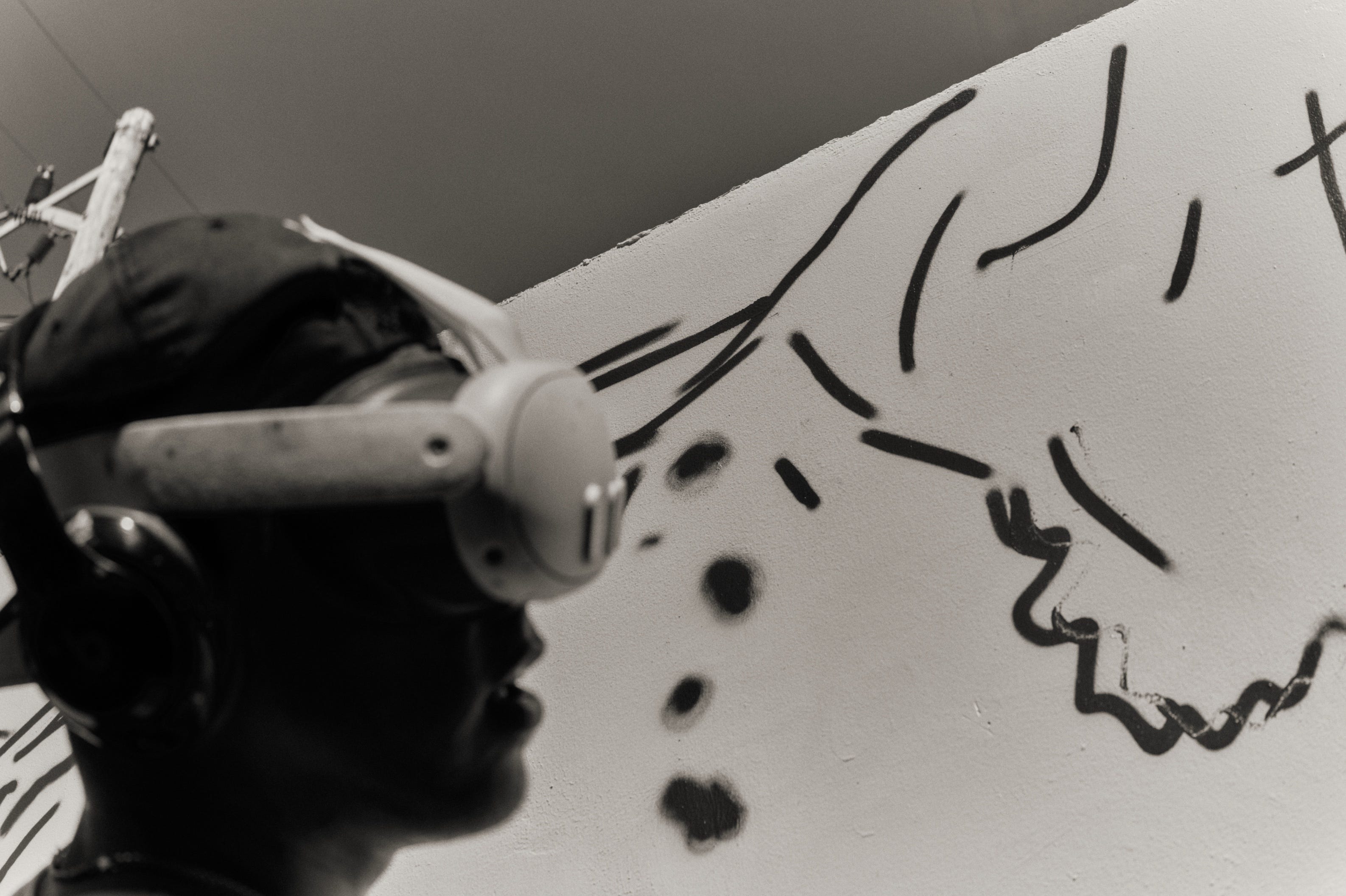
Again, the Leica Q3 43 isn’t perfect, but it’s got personality. It doesn’t apologize for its fixed lens. It doesn’t try to be a sports camera or a studio rig. It’s a specialized storytelling tool. Where counterparts eventually feel like a collection of compromises, the Q3 43 feels like it was built with a singular vision. It’s the difference between a Swiss Army knife and a chef’s knife. One can do a dozen things alright. The other does one thing perfectly.
The Final Score
The Leica Q3 43 isn’t a camera for people who like to “spec-sheet” their way to a purchase. If you’re looking for the most features per dollar, you’re looking in the wrong direction.
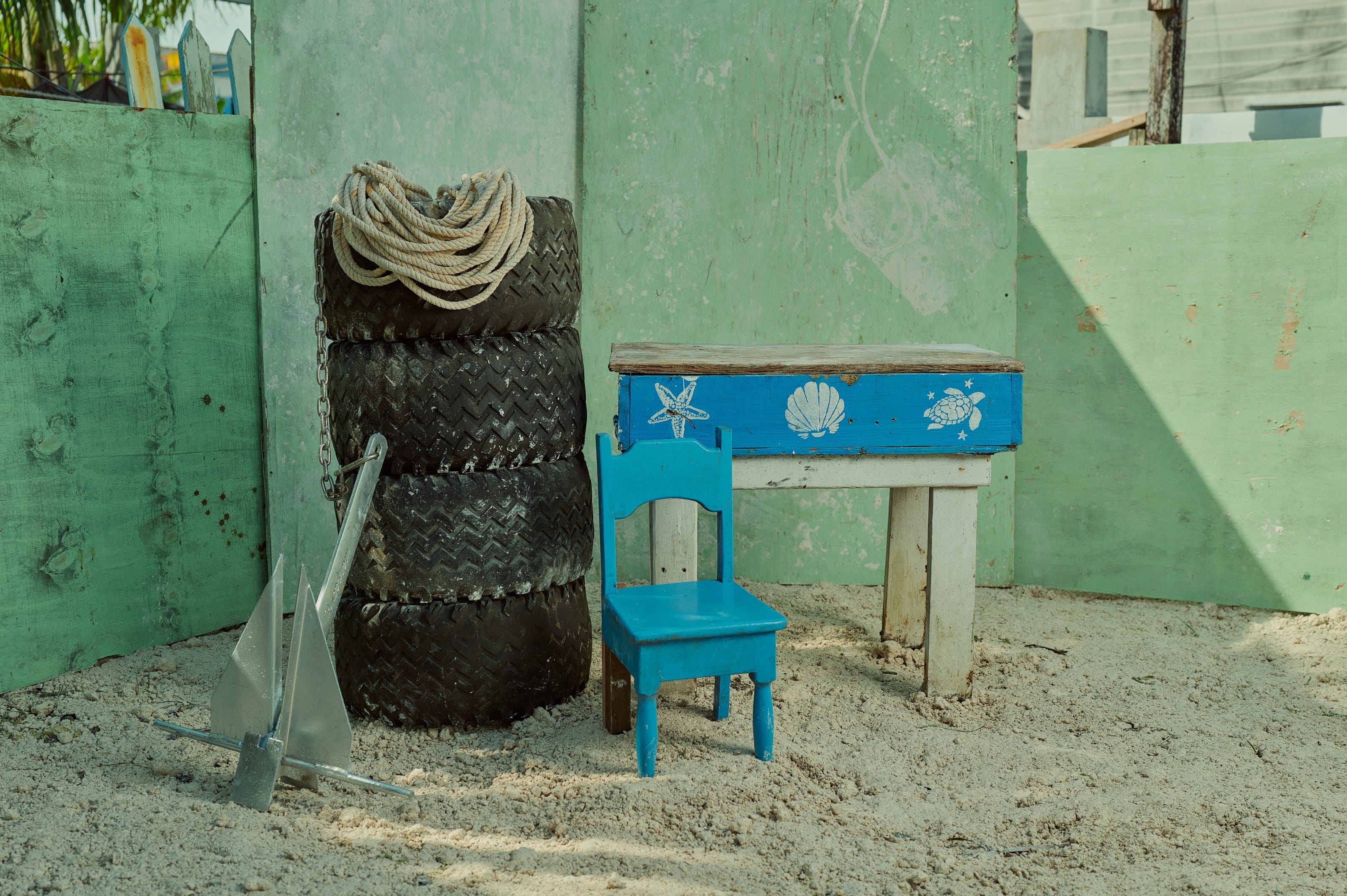
This is a camera for the person who wants to simplify their process without sacrificing an ounce of quality. For those who wish to focus on bringing awareness to a subject, and do it with ease while delivering top-tier results, the Q3 43 feels rewarding.
It is a specialist that knows its job and performs it with a level of excellence that doesn’t feel common enough in the digital age. Much like Randy Johnson on the mound, it might only have a few pitches, but when those pitches are this good, the game is already over.
This is a camera that asks you to be a better photographer. It demands that you think about your subject, your backgrounds, and your proximity to the story. In return, it gives you images that feel like they’ll last a lifetime.

Buying this camera simply for the prestige, the brand, or cheap likes on social media is a waste of time. Avarice is a bottomless void that no camera can fill. This camera is a commitment. It’s a tool that can become more than a tool, should you be willing to put in the reps.
Over the last year, I put in a lot of reps. I kept going back and forth on whether I wanted to keep this tool in my kit. With the privilege of M and SL cameras at my reach, the Q3 43 felt like extra baggage. But after a few meaningful projects, I’ve come to realize where this camera personally shines for me.
It’s an escape.
The combination of a perspective for subject-oriented storytelling, versatile single-handed operation, and image quality that can jump off a screen, the Q3 43 is a camera that let’s me forget about the camera. Whether it was the jungles of Nagaland or the beaches of Belize, I could just escape a little further from the physical photography experience and sink into the moment a little more.
Quite simply, the Leica Q3 43 lets me document as an “and” instead of an “or.” So much of my photography is tied to work that having a camera that’s more about the joy—and treated as such—is exactly what makes the Q3 43 keep its spot on my roster.
Disclaimer
If you’re asking me, there’s no such thing as a completely objective review, especially in the imaging world. As someone who continues to work with Leica products, it’d be dishonest to suggest I could remove all personal attachment to these tools.
That said, my review structure has always been the same: share what I enjoy, highlight what could be improved, and outline who I believe would benefit most. YouTube culture has pushed this idea of hyper-focusing on perceived flaws and arbitrary comparisons without actually sharing an opinion. I find this useless.
The truth is, most cameras are better than most photographers. The harder and more valuable task for a reviewer is to articulate who a product is best suited for rather than drone on about what it cannot do.
My reviews are designed to give real-world insights for people considering a product for their creative journey. My hope is to deliver that in a way that’s useful, honest, and yes, occasionally entertaining.
Finally, no review I publish is seen, edited, or approved by anyone other than me. That includes Leica and any potential sponsors. Everything you read here is entirely my opinion.
Previous Favourites
April Contest
This month, I’ll be giving away a $200 gift card to the Moment Shop where the winner can save big on their next camera, lens, bag, or courses. Moment has so many creative products to choose from and $200 can absolutely make for a great deal.
How will I pick the winner? Make sure you’re signed up for this newsletter then leave a comment on at least one post from this month. I’ll be randomly picking one person, confirming they meet the requirements and contacting them directly before announcing the winner publicly.
As always, this contest is void where prohibited by law. Good luck!
My thanks to the team at Moment! Not only for this contest but for being the longest supporter of my work online. They’re a lean team of passionate creators that truly believe in supporting other creatives on their journey. Whether it’s a new camera, lens, workshop, or just some great articles, visit ShopMoment.com today.
What’s Next?
This review took a really long time to put together so if you enjoyed it, consider leaving a comment and sharing it with a friend ✌🏾
GB
Wow Gajan!
Specialize.
That's the takeaway for me this morning. That's a hard thing for me personally. It's so true, we're often off chasing off after some "trend" when what we have in front of us is more than enough. I'm not knowledgeable about the tech side of cameras. I had no idea that this kind of specialization was a thing. You're so passionate, knowledgeable and wide-reaching (globetrotting) that this is a compelling read. It must have taken a lot of time to write and develop the flow with the photos. I appreciate the generosity of this post and the obvious love for what you do. Now, I'll go for my walk with an eye for beauty in new places and that question, What do I specialize in?
Thanks for your thoughts. I just got my hands at a „Standard“ Q3. The build quality (soft- and hardware) is insane. Now im on my way to become a better amateur photographer 😬