

Leica SL3-P First Impressions
Some thoughts after 12,000 photos in the Arctic C

When the Leica SL3 was introduced in 2024—with it’s 60 megapixel sensor, 15 stops of dynamic range, and a reimagined user interface—it was a clear reminder that the brand had a story to tell in the mirrorless SLR market. This would be their flagship product, built around high resolution and image quality.
A year later, Leica would introduce the SL3-S, a true hybrid solution that would put speed and video at the forefront of the conversation. This camera would trade resolution for versatility and as a result, sit as this poetic opposite to its flagship counterpart.
But what if you wanted both?
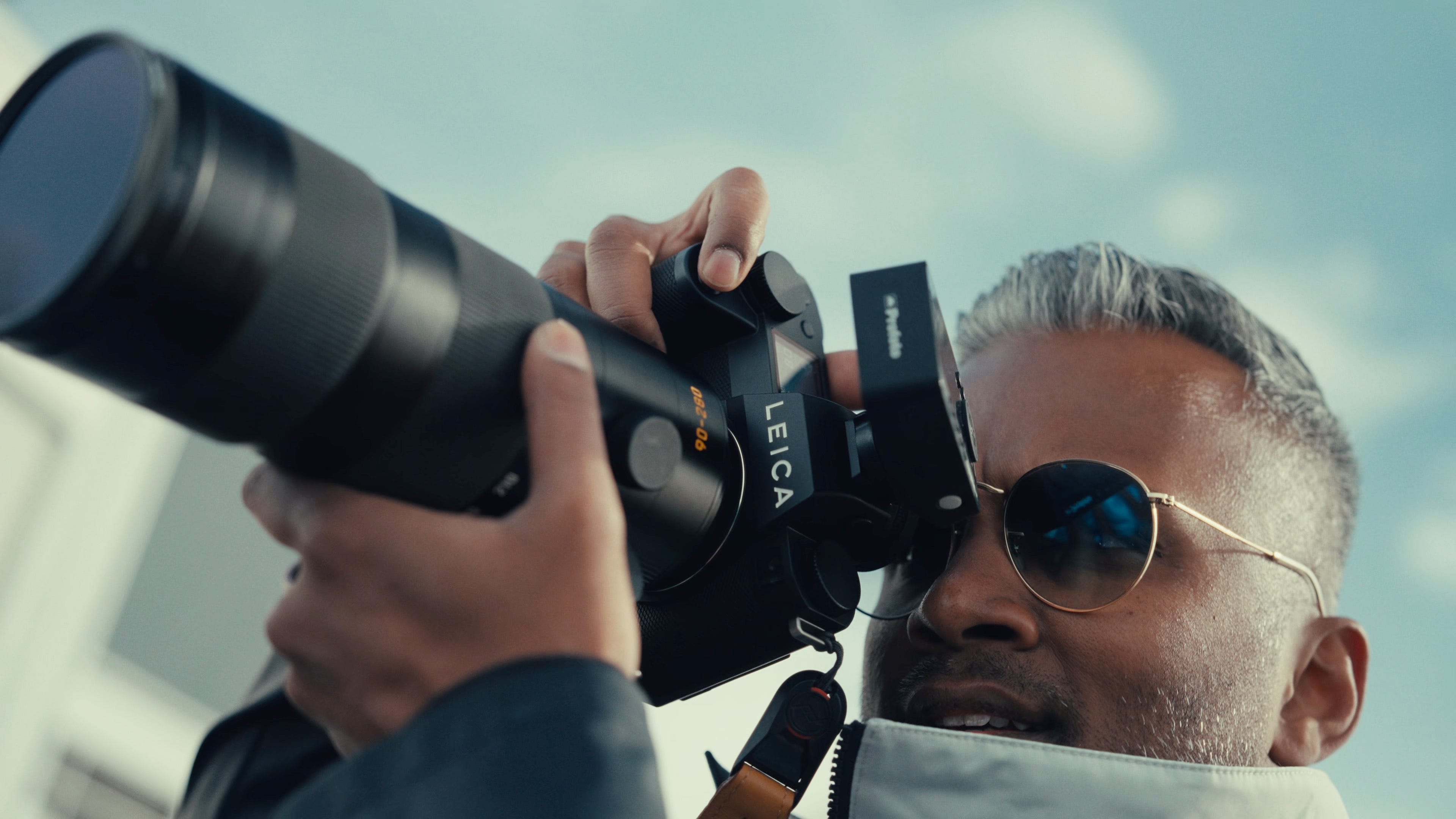
Why does the SL3-P exist?
The Leica SL lineup has three unique pillars that distance it from other mirrorless SLR cameras in the market:
Incredible image quality and optics that range from benchmark quality to vibrant character
Robust durability for cameras that could operate in the toughest conditions
Beautiful design where the tools feel enjoyable to use and interact with
The Leica SL3-P takes these pillars, merges it to a new sensor, and slots in the middle of the SL lineup as this all-around solution that provides a healthy amount of resolution without compromising speed.
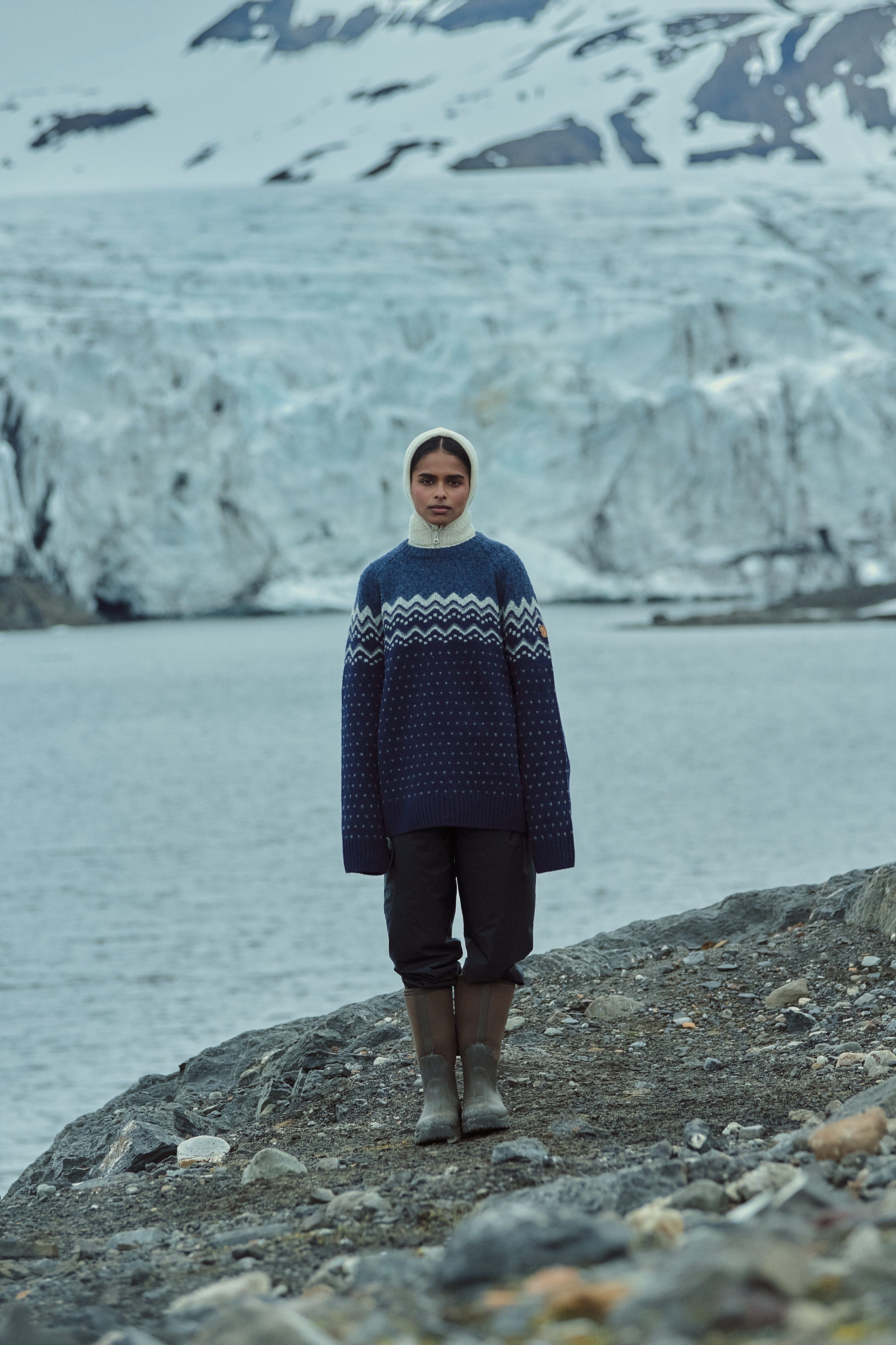
According to Leica, there’s a clear demand for a camera of this nature in their catalog. The SL3-P looks to not only satisfy that need, but deliver an experience that can aggressively attract users from other camera systems.
Again, this camera exists to meet a demand in the market for admirers of the SL differentiators in a more balanced form.
Where has the hardware changed?
Well, not as much as you’d think.
The Leica SL3-P adopts the same silhouette as its counterparts but omits the red Leica badge and shifts to a black shutter button. These are two very intentional decisions that collectively make for this elegantly understated piece. Decisions that, if you’re asking me, might have some users chipping the paint off the Leica script.
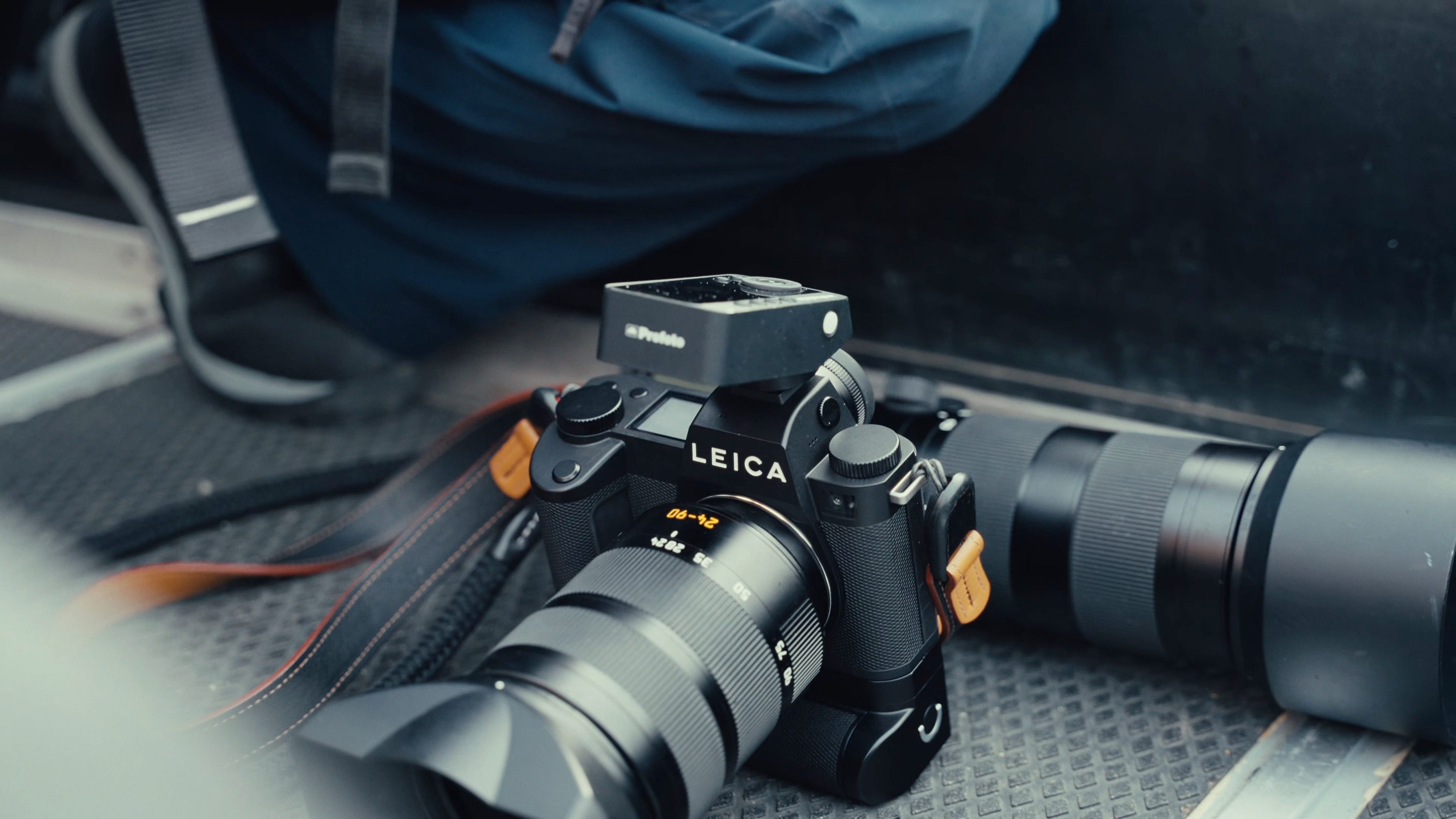
The biggest change to the SL3-P is its 44-megapixel sensor. With dual native properties and the most autofocus points of any Leica ever made, this single change fundamentally changes what this camera represents.
Which then begs the question…
How does this camera actually differ from the SL3 and SL3-S?
Like I mentioned earlier, the Leica SL3-P doesn’t change much. It’s essentially a Leica SL3-S—a camera I’ve covered extensively—with a brand new, 44MP sensor. At a suggested 14-stops of dynamic range this camera produces images that resemble the starting point you’d see in a Leica SL3-S; this punchier look than results from a Leica M11. While this is a stop less latitude than the Leica SL3, there’s more than enough range for challenging environments.

The sensor of this camera has the most autofocus points of any Leica camera. With 5% more points than the Leica SL3-S, it should make for more accurate subject detection. In my time so far, it feels just as good. From cyclists appearing out of nowhere, to chaotic dance floors, and especially Arctic wildlife, the autofocus performance of this camera has been extremely solid and outperforms the higher resolution Leica SL3. In the months to come, I want to find out where the limits are and if it’s at all better than what the SL3-S can do.

This camera can capture 44 megapixel images up to 40 FPS, making it faster for continuous shooting than the SL3-S. But because of the larger file sizes, I found myself—as someone that shoots in raw and jpeg at the same time—hitting the buffer sooner than I would on an SL3-S and waiting for my card to cycle. I’m curious to see if this can be improved in the months to come.

The Leica SL3-P introduces several other changes. There’s no longer a triple resolution feature. Instead, this camera adopts a double resolution option that allows users to shoot in 44 or 26 megapixels. In the multi-shot mode—where you have this camera on a tripod or holding it incredibly still—you can capture images as large as 176MP.
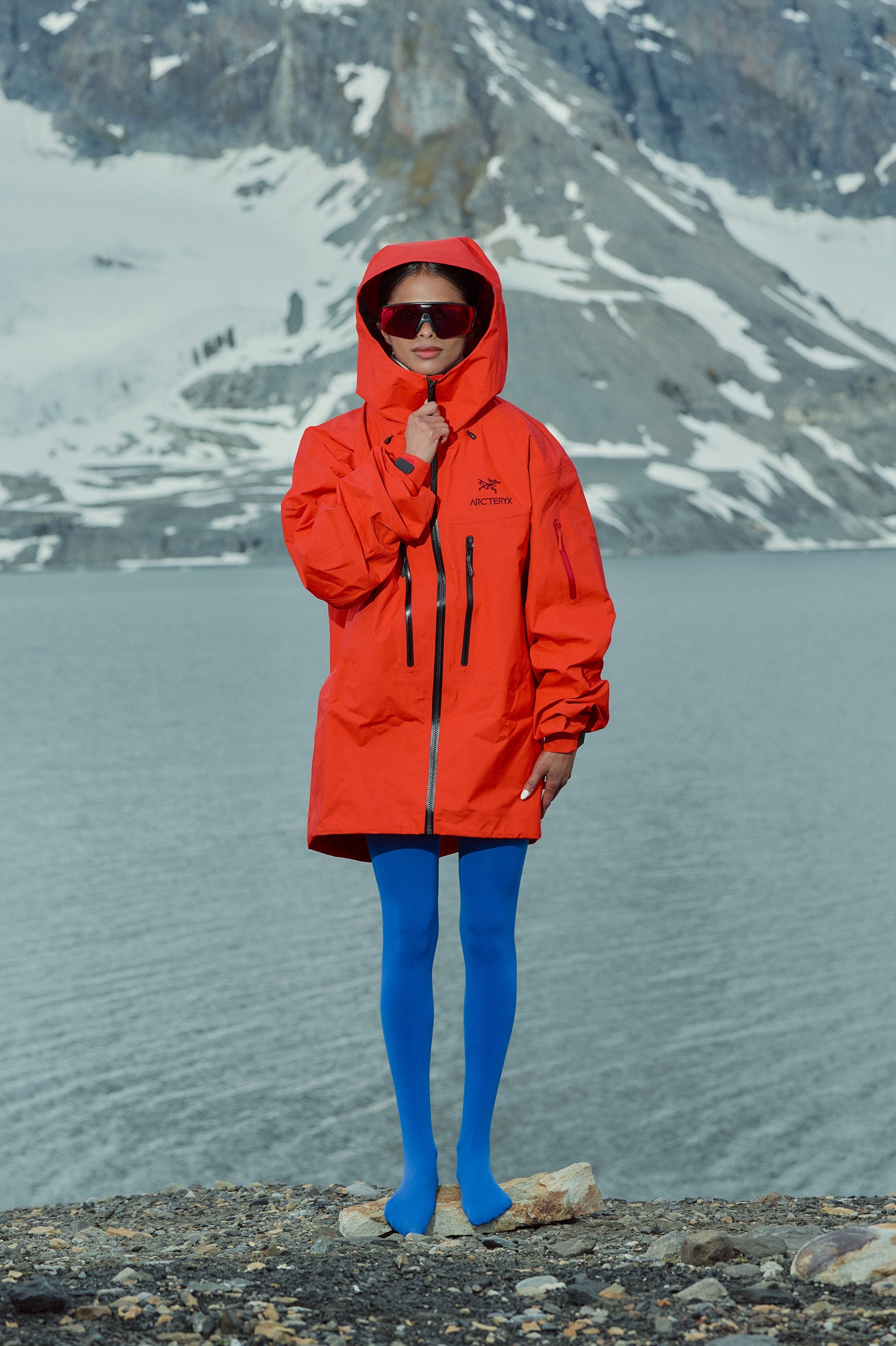
This camera is capable of 6K60P and 4K120P recording in a full-frame format. In open-gate, where the camera is recording the entire sensor, you can capture 8K resolution in a 3:2 aspect ratio. There’s also a DR Boost function now. When left on, you maximize dynamic range. When turned off, readout speeds improve for fast moving scenes at the cost of about one stop of dynamic range.
Just a quick note, for video shooters, there’s some important ISO settings to keep in mind. With DR Boost on in L-Log, the native ISO is either 400 or 1600. With DR Boost off, it drops to ISO 200 or 800.
This camera is being introduced with firmware 4.2 and with it, some exciting video features that I’ve been bugging Leica about for years:
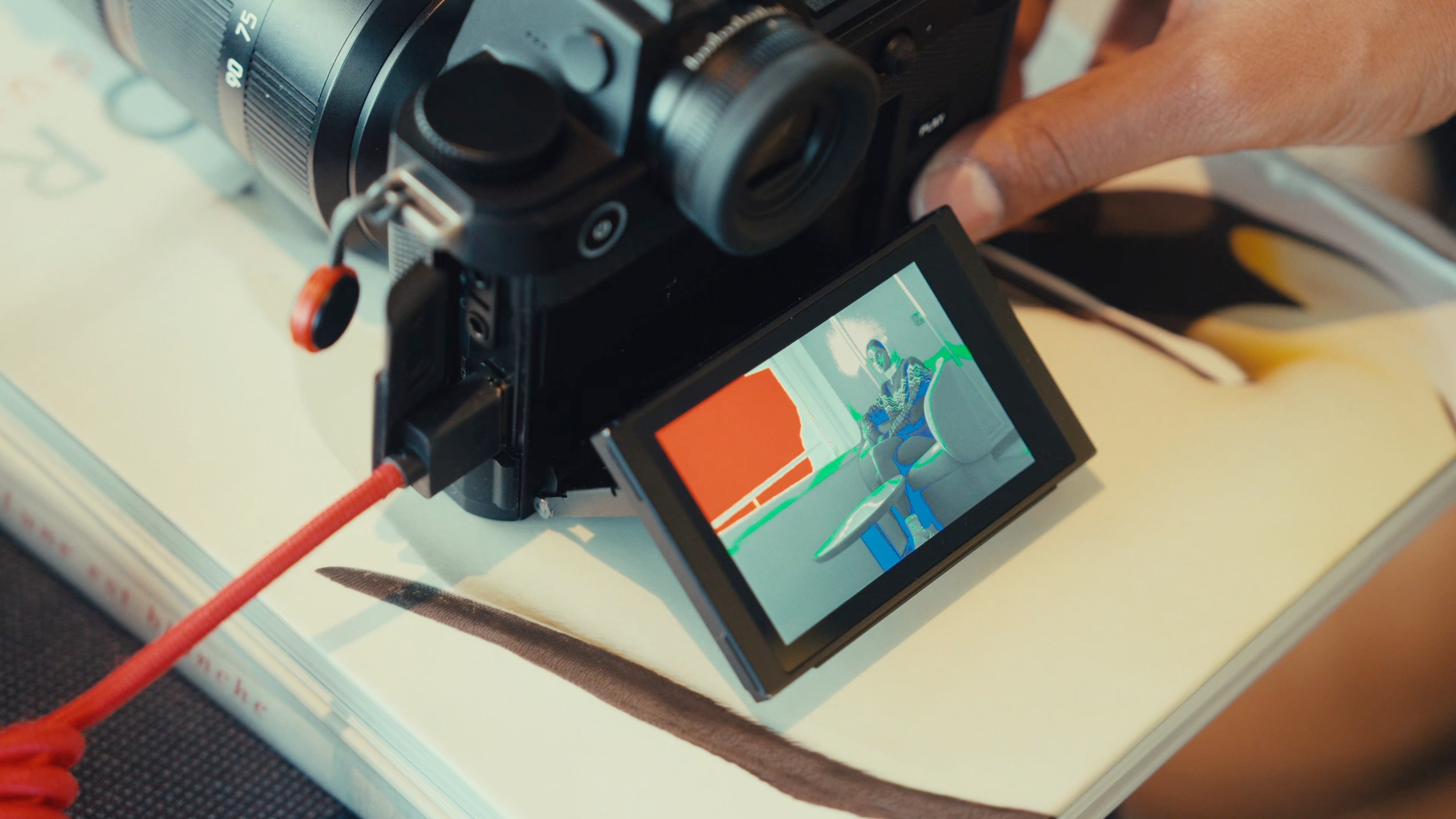
First, you have on-screen display support. This allows you to transmit the user interface of the camera over HDMI so you can view your camera settings on a larger monitor or capture it for educational purposes on a recorder.
Second, false colour monitoring which gives users a much more accurate way to set exposure for video recording.
Third, a revamped video profiles menu that dynamically changes as you select your key priorities.
As far as I know, these features will arrive to the Leica SL3 and SL3-S. If you want to learn how to take advantage of these features, you can reader my Leica Filmmaking Guide for all the details.
Now, while all these features might lead some to conclude that the SL3-P is the perfect Leica SL camera I have to say that’s just not the case. Different cameras exist for different needs. What’s perfect for one person may not be viable for another. Let me share more about my experience with this camera and where boundaries may exist.
What Was The Shooting Experience Like?
This isn’t an epiphany but it’s worth sharing. The 44 megapixels of this camera feels like a sweet spot that’ll cover most peoples’ applications because it gives you enough resolution to carve out your story while providing excellent autofocus performance. And with an ISO that tops out at 200,000, there’s room to push these files in the field.

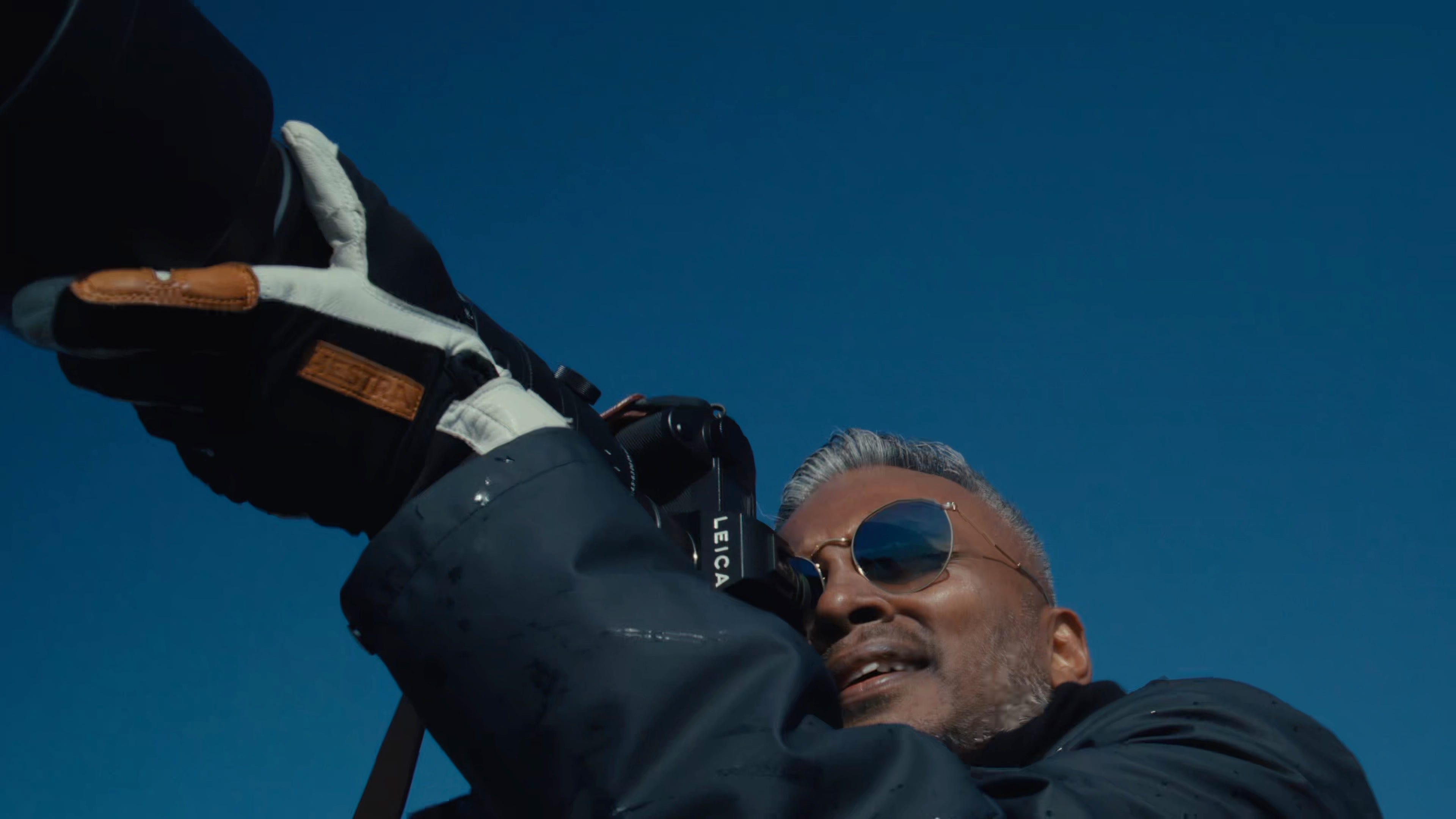
The SL lineup is one of the few that offers IP54 weather resistance, which gives you the confidence to use a camera like this in tough conditions. They’re tested beyond normal conditions so when it gets hot, when it gets cold, or even when it starts raining sideways, I could keep shooting. But for the first time, I did hit a thermal limit with an SL camera.
When recording high bitrate video internally at lengths longer than ten minutes, this camera may shutdown, in an effort to protect the internals of the camera and memory card. I tested four profiles in multiple conditions:
At 4K120P, the camera shuts down at just under 15 minutes
At 6K60P, the limit lands closer to 13 minutes
At 8K24P in open-gate, I couldn’t get past 10 minutes
At 6K24P (my default for long recordings), I reached 40 minutes
Why is this happening? Because there’s so much information being transferred to a card so quickly, that heat generates faster than the camera can dissipate. I never hit this issue with 8K recording on the SL3, but that camera isn’t capable of open-gate recording. I never hit this issue with the SL3-S, but that camera records open-gate at only 6K resolution.
There are nearly 160 recording options in the SL3-P and Leica lets you do things with video that you couldn’t do before with an SL camera. And I should say, I only tested four of them. Whether its extreme slo-mo, hi-res high frame rate, or full sensor 8K, the reality is that I’d never use these profiles for more than a few minutes at a time for my work. So an internal thermal ceiling here never felt like a major issue.
There is a possibility for this to improve over time but the reality is unless there’s significantly more compression to the video—which can compromise overall quality—these internal thermal limits won’t change much. However, when using an external recorder or SSD, these thermal limits shouldn’t be an issue because you’re no longer collecting heat on a memory card inside the camera.
Where Does This Camera Stand?
With the Leica SL3-S, you have an entry point that’s incredibly fast, feature rich, and great for video. With the SL3, you have the best image quality at the highest resolution possible. And with the SL3-P, you have this happy medium that will tick most boxes for most SL customers.

No, it doesn’t take the image quality crown from the Leica SL3. There’s also an argument to be made that it doesn’t yet take the video crown from the SL3-S. But this is okay. That never felt like the mission for this camera.
This camera sits at this convenient middle in the lineup and in my eyes, it stands as great conversation starter for those looking to use Leica for work, and not just as a side piece. It’s not uncommon to see creatives that choose one brand for their profession and a Leica for their personal life. The Leica SL3-P feels like the first compelling product that specifically targets these creatives.
As someone that’s been shooting on Leica for over six years, it’s great to see the ecosystem grow like this, where the brand is branching into uncharted territory. At least with respect to their offerings. What I’m curious to explore in the months is how far I can push this camera in other environments, if it can replace any of my existing solutions, and ultimately, who specifically would benefit most from a camera like this.
This Week’s Sponsor: Espresso Displays
I’ve been using Espresso displays for over a year, and they’ve become a staple in my workflow—whether as an extra monitor at home or my main screen on overseas shoots. The Pro series is built for creatives who care about colour, clarity, and portability.
What sets them apart even more is their customer support. Based in Australia, the team at Espresso is focused on building quality products and backing them with top-tier service.
I only partner with brands I genuinely use and believe in. After years of putting these displays to work, I can confidently recommend them to any creative looking for a high-quality travel monitor.
Use code GAJAN10 at checkout to save 10% on your first order. And if you do try one out, let me know how it goes. I’d love to hear about your experience.
Previous Favourites
June Contest
This month, I’ll be giving away a $200 gift card to the Moment Shop where the winner can save big on their next camera, lens, bag, or courses. Moment has so many creative products to choose from and $200 can absolutely make for a great deal.
How will I pick the winner? Make sure you’re signed up for this newsletter then leave a comment on at least one post from this month. I’ll be randomly picking one person, confirming they meet the requirements and contacting them directly before announcing the winner publicly.
As always, this contest is void where prohibited by law. Good luck!
My thanks to the team at Moment! Not only for this contest but for being the longest supporter of my work online. They’re a lean team of passionate creators that truly believe in supporting other creatives on their journey. Whether it’s a new camera, lens, workshop, or just some great articles, visit ShopMoment.com today.
What’s Next?
It’s been a busy few weeks of production and as a result, there’s a bit of a backlog in the articles. But we’ll be square in the coming weeks. See ya next time.
GB