

Leica M EV1 Long-Term Review
Anything but entry-level

I’ve been working on this review for a few months and I'll admit, it took far longer than I had anticipated. The reason is because of what these reviews aim to do: qualify a product for a specific customer.
As I worked on this review, I had a hard time nailing down who would specifically find value in a camera like the Leica M EV1. But after several trips and conversations with a wide gamut of Leica users, it finally clicked.

There’s a sizeable amount of photographers around the world that have an affinity toward M cameras and M lenses. The Leica M EV1 targets two opposite ends of that audience, and in a very specific way. With this review, I'll look to shed more light on that audience, the experience of using this camera in the field, and where I’d like to see Leica take this product in the future.
Upcoming Events & Workshops
My first ever fine-art print will be available from Aug 9-15th. If you’d like to support my work and own a piece of my journey, learn more here.
New York Photowalk
I’ll be in NYC early September and will host a photowalk of some kind. Stay tuned for details in the coming weeks.
India: North & South Street Photography Workshop
If you’re looking for an authentic and unforgettable street photography adventure across India, this workshop is for you. One seat is open for my workshop from February 5th-14th next year. Email me to reserve your spot.
Video for Photographers Masterclass (LONDON)
Our last Video for Photographers experience was a hit. If you’re a photographer looking to expand your skillset with video, this is the best workshop you can invest in. Email me to reserve your spot for early 2027.
Why Does The Leica M EV1 Exist?
The Leica M mount has over 70 years of optical history. Traditionally, there were only two ways to natively use it: analog and digital rangefinders. The Leica M EV1 provides a third option via an electronic viewfinder.
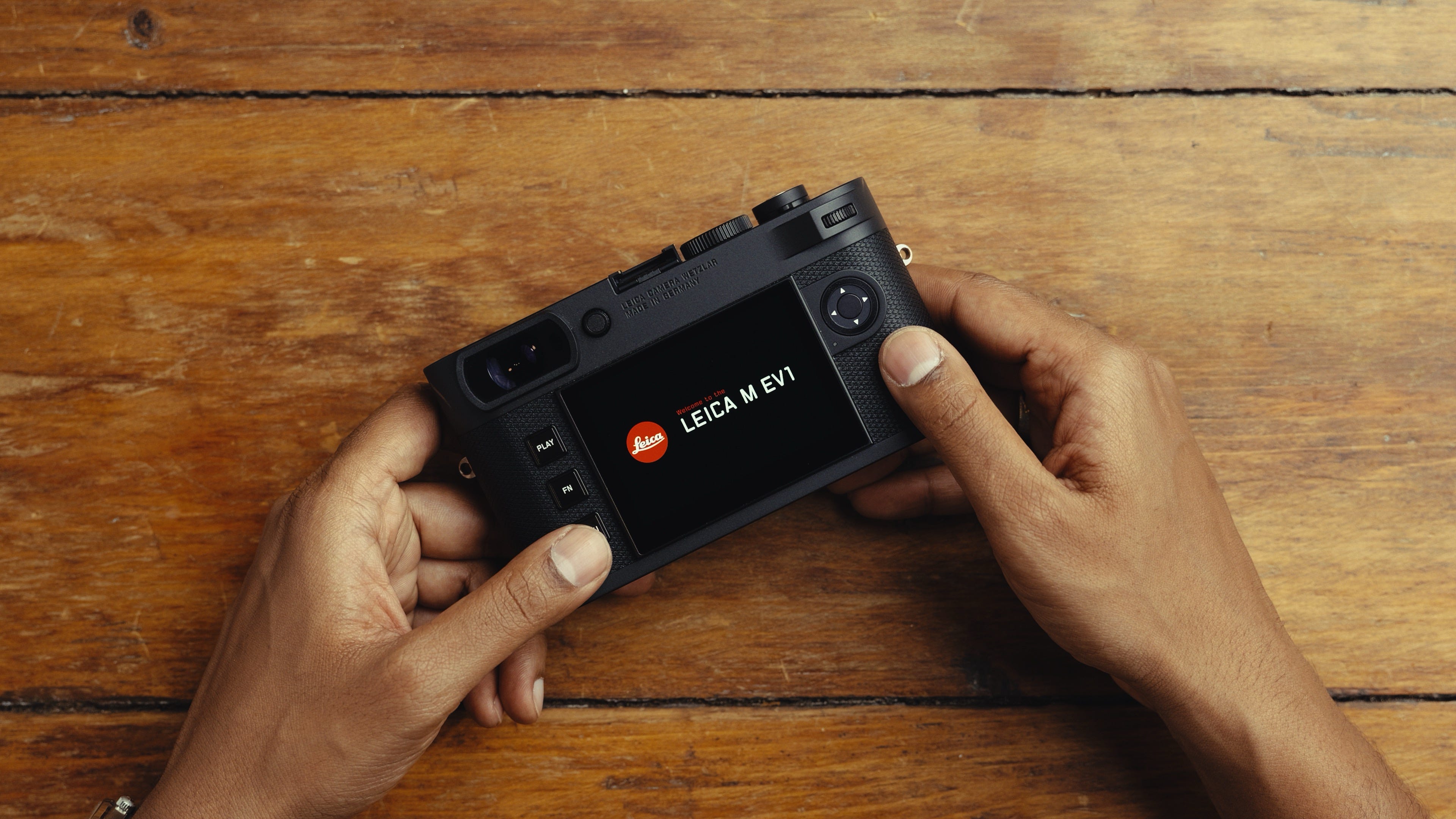
Swapping the iconic rangefinder system for an EVF may seem sacrilegious to purists and armchair photographers, but I believe this a decision rooted in accessibility. There’s a non-insignificant cohort of Leica fans who wear glasses, have vision impairments, or simply wish for an easier experience with an M-style camera.
That’s why the M EV1 exists.
Now, some may try to convince you that these motivations make this an entry-level Leica M camera. That’s just not the case. With a 60-megapixel full-frame sensor that’s dripping with dynamic range, the M EV1 has the heart of a Leica M11-P. As a result, it sits adjacent to its rangefinder counterparts.
Again, the Leica M EV1 isn’t an entry-level camera. It’s an alternative.
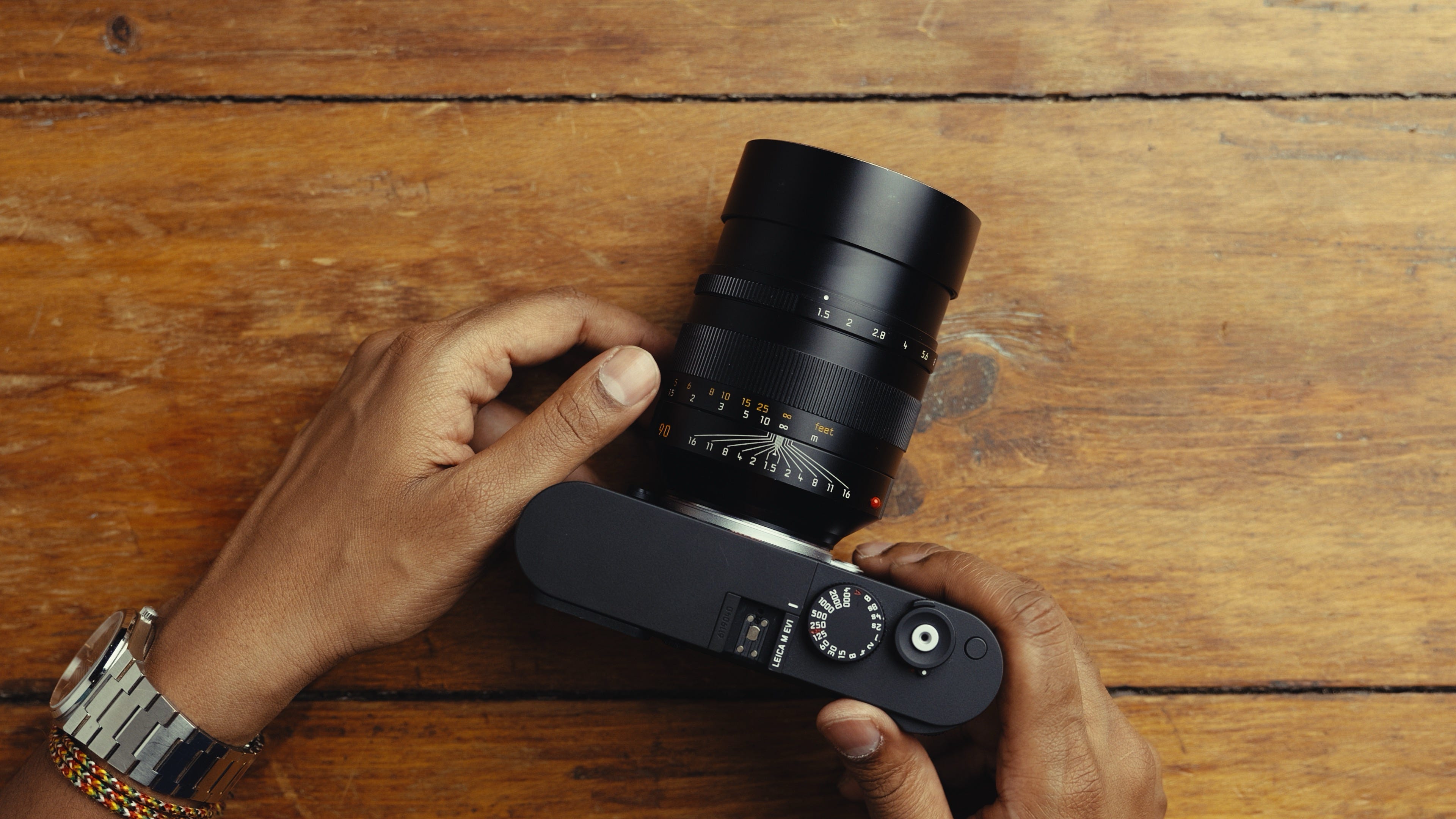
By removing the optical rangefinder system and implementing an EVF on a compact Leica M body, users now have a more direct line to compose frames with M glass. Depending on the lens you’re using, it may even be much easier than a traditional rangefinder system. Which ties in beautifully to my next topic…
What Makes The M EV1 Special?
The magic of the Leica M EV1 lies in its ability to streamline speed, accuracy, and creativity with M lenses. Especially in oddball situations.

Let’s say you have a new close-focusing Summilux lens. With the M EV1, you can focus through the entire range without lifting your eye off the viewfinder. What if you have vintage glass? You can see all the flaring and halation in real-time as you compose. Maybe you have a super-wide aperture Noctilux in your collection? Congratulations, you’ll be able to lock focus at F0.95 with far less effort. And what about those lenses at extreme wide or telephoto focal lengths? Composing shots becomes seamless because you’re seeing the entire frame.
What makes the Leica M EV1 special is that it takes just about every M lens and creates a streamlined viewing experience while leveraging the Leica imaging pipeline. With a 5.76M-dot OLED EVF that refreshes up to 60 frames per second, the viewing experience is noticeably smoother than running a Visoflex on a rangefinder.
The Leica M EV1 isn’t a camera designed for every M customer, but I’d argue it simplifies the composition process for most of them.
How Good Is This Camera?
The Leica M EV1 inherits the same sensor as the Leica M11, which means it sits in the top tier for image quality within consumer photography. There’s plenty of resolution to refine your final crop. There’s plenty of dynamic range to craft your look. And there’s plenty of glass options to craft your look.
Here’s an excerpt from my Leica M11 review that elaborates further:
“I’ve shot with many cameras and lenses over the years, but the M11 with a modern Summilux gave me more of those ‘OH SHIT!’ moments, both for myself and my clients. In times like this, the specs fade and shooting becomes more about photography as an art. You have this beautiful moment in time that feels like no other solution could’ve done it justice.”
I’m well aware how this might sound like hyperbole to some, but I’d challenge you to pair this sensor with a Summilux lens and tell me I’m wrong.

My shooting experience with the Leica M EV1 was next to flawless. The footprint retreats into a compact design that that the M is known for and bridges the gap between you and the moment. I brought this camera on a sensitive assignment and it really underscored the value of an unobtrusive body that’s not intimidating to your subjects.

Since this camera omits the rangefinder, the frameline preview lever takes on some new functions. It can be pushed or pulled to trigger a unique feature, such as:
Focus peaking
Magnification
Digital Zoom
The omission of the ISO dial was expected, given how the EVF module extends right to the edge of the camera top plate. It’s a design shift I ended up missing far less than I thought I would.

In short, the M EV1 takes everything I love about my Leica M11 and packages it into an efficient tool built around an electronic viewfinder.
How Can This Camera Get Better?
If you ask me, the Leica M EV1 is shipping in a very mature state. It inherits all the updates and bug fixes of the M11 line, making it feel like a finished product right out of the box. That said, there are a few areas where the next iteration could refine the experience even further.
First, battery life. While the performance is generous, it takes a clear hit compared to its rangefinder counterparts. That’s to be expected when drawing continuous power for a high-resolution OLED viewfinder. With the M EV1, heavy shooters will need to pack a spare battery to clear a full day in the field. I never had to do that with my M11.
With respect to EVF, and this may just be my preference, I’d love to see a slight redesign so it has more of an eyecup for support, reducing glare, and smudging. More than any Q camera, I found myself having to wipe the EVF of this M EV1 before shooting. To me, it seems like the profile here is a touch too flat.
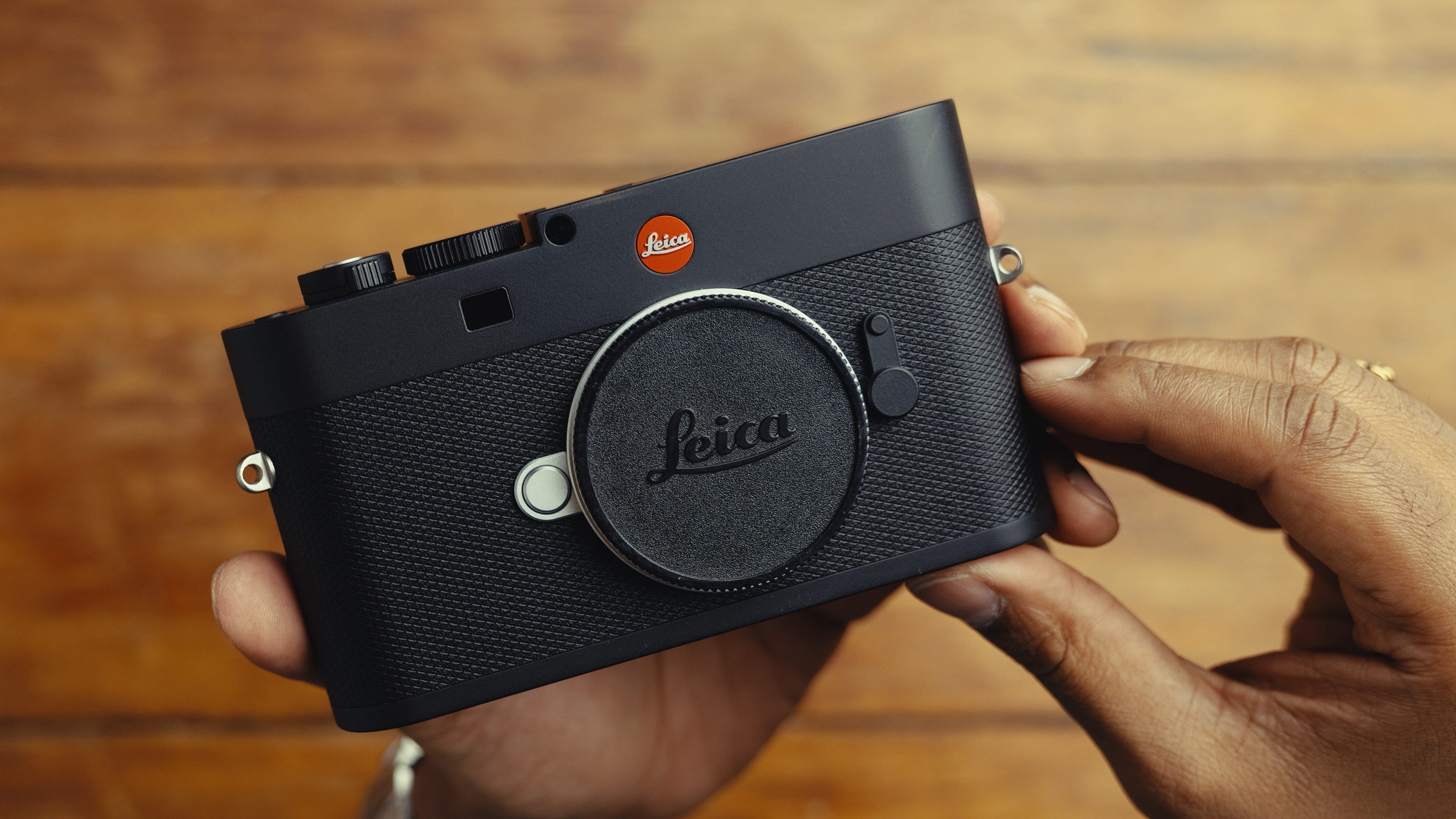
Next, an upgrade to the processor and onboard memory should eliminate the start-up lag. I typically leave my M11 powered on continuously, but with the M EV1, I found myself managing power state more actively, which brought back memories of waiting on slow boot times. Removing that delay would improve the camera’s overall responsiveness and make for a more reliable companion.
Last, and this applies across the next generation of M products, I’d love to see a sensor capable of 16-bit raw files. This would offer a generational leap in colour depth and dynamic range that rivals medium format systems. We’ve hit a point of diminishing returns with resolution, and storage costs aren’t dropping overnight. If you want to give photographers a compelling reason to upgrade, bring attention to richer colour and tonality. That’s what would get me to reinvest.
What Are My Final Thoughts On The Leica M EV1?
After shooting with this camera for several months, I’m left a little conflicted. When I use the M EV1 in the field, I’m marginally faster at acquiring focus and noticeably better at framing ultra-wide or telephoto focal lengths. That being said, I couldn’t bring myself to give up my rangefinder cameras. I just prefer that optical view of the scene. As long as my eyesight allows for it, I’ll always reach for a traditional rangefinder over an EVF-based M camera.
But that’s not where my conflict lies.
During my time with this camera, I’ve come to realize it sits at the absolute outer edges of the Leica M audience, which is already a niche group. The Leica M EV1 is ideal for collectors and enthusiasts with larges amounts of vintage lenses who want a direct, simple way to adapt their glass. It’s also ideal for modern hobbyists looking for an accessible, low-friction entry point into the M system. These two groups sit at opposite ends of the spectrum. Which brings me to my main issue with this camera: the pricing strategy.
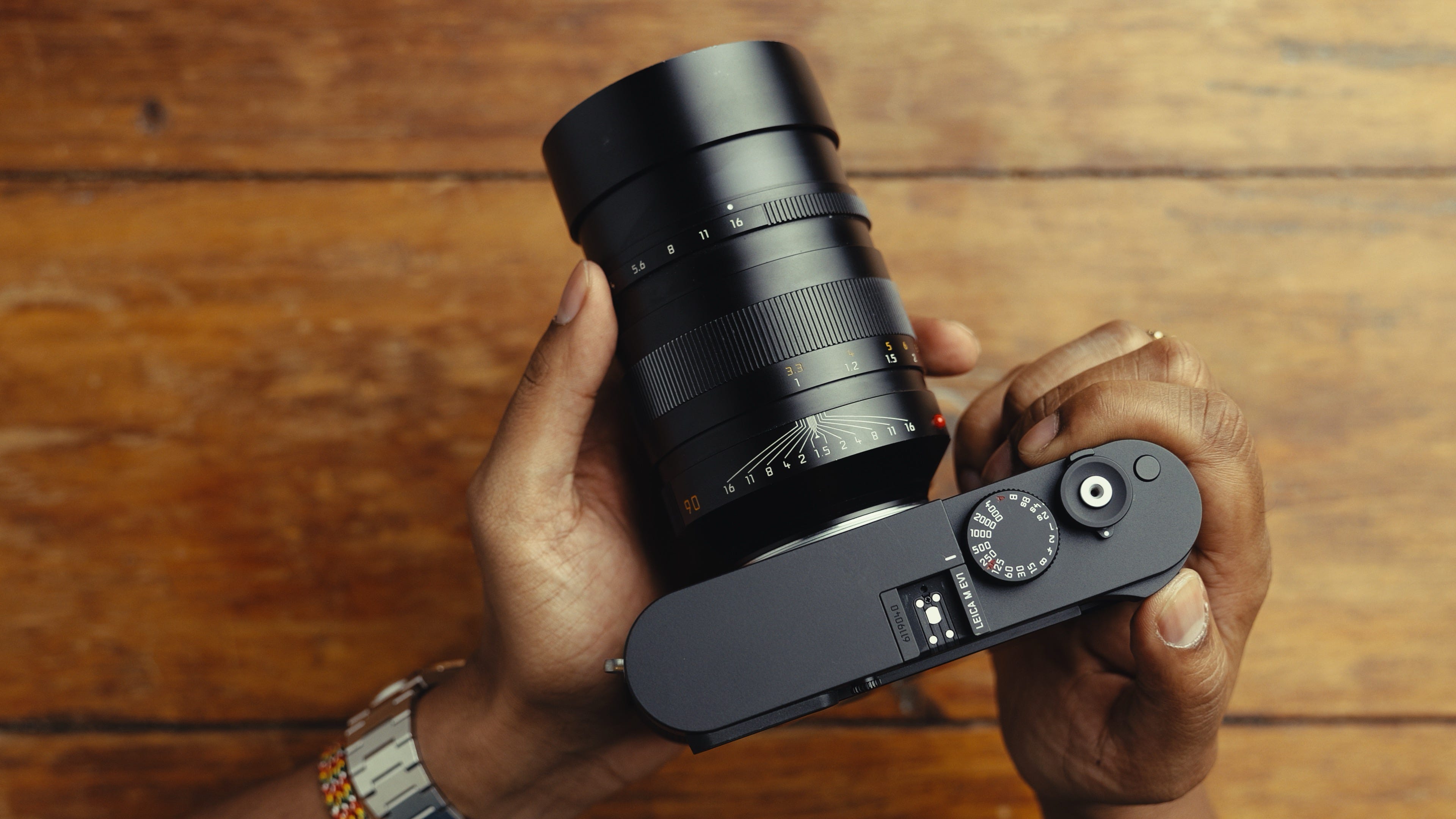
While the core capabilities of the M EV1 are inherited from the flagship M11, the EVF fundamentally alters the user experience. That shift compresses the target market down to a fraction of a fraction, many of whom are likely to be turned off by the current asking price. At the current price, the uber collector arguably sees more value in a limited edition item and the newbie may favour an alternative solution. While I don’t doubt this camera will find an audience, it would be far better positioned if it were priced alongside the Leica Q3 43, a touch under $8,000.
A price like this creates a meaningful overlap in the Leica lineup. Someone walking into a store for a Q might naturally cross-shop an M EV1, opening the door to the broader world of M glass. At that tier, existing collectors would also find it easier to justify adding another body to their growing collection.
Ultimately, I enjoyed my time with the Leica M EV1. It does more than enough to justify its spot in the Leica catalog. Anyone who wears glasses or deals with vision constraints will find immense practical value here. But taking a step back to look at the Leica ecosystem as a whole, this camera needs a reevaluation around pricing that matches its goal: making the M system as accessible as possible.
This Week’s Sponsor: Espresso Displays
I’ve been using Espresso displays for over a year, and they’ve become a staple in my workflow—whether as an extra monitor at home or my main screen on overseas shoots. The Pro series is built for creatives who care about colour, clarity, and portability.
What sets them apart even more is their customer support. Based in Australia, the team at Espresso is focused on building quality products and backing them with top-tier service.
I only partner with brands I genuinely use and believe in. After years of putting these displays to work, I can confidently recommend them to any creative looking for a high-quality travel monitor.
Use code GAJAN10 at checkout to save 10% on your first order. And if you do try one out, let me know how it goes. I’d love to hear about your experience.
Previous Favourites
July Contest
This month, I’ll be giving away a $200 gift card to the Moment Shop where the winner can save big on their next camera, lens, bag, or courses. Moment has so many creative products to choose from and $200 can absolutely make for a great deal.
How will I pick the winner? Make sure you’re signed up for this newsletter then leave a comment on at least one post from this month. I’ll be randomly picking one person, confirming they meet the requirements and contacting them directly before announcing the winner publicly.
As always, this contest is void where prohibited by law. Good luck!
My thanks to the team at Moment! Not only for this contest but for being the longest supporter of my work online. They’re a lean team of passionate creators that truly believe in supporting other creatives on their journey. Whether it’s a new camera, lens, workshop, or just some great articles, visit ShopMoment.com today.
What’s Next?
The writing doesn’t stop. Expect several new stories as we charge to the end of July.
GB