

Raghu Rai is Purpose
Lessons from a Legendary Storyteller

There are artists who enter your life at a formative point and simply refuse to leave. Over time, they stop being inspiration and become something larger than life.
Raghu Rai was one of those artists.
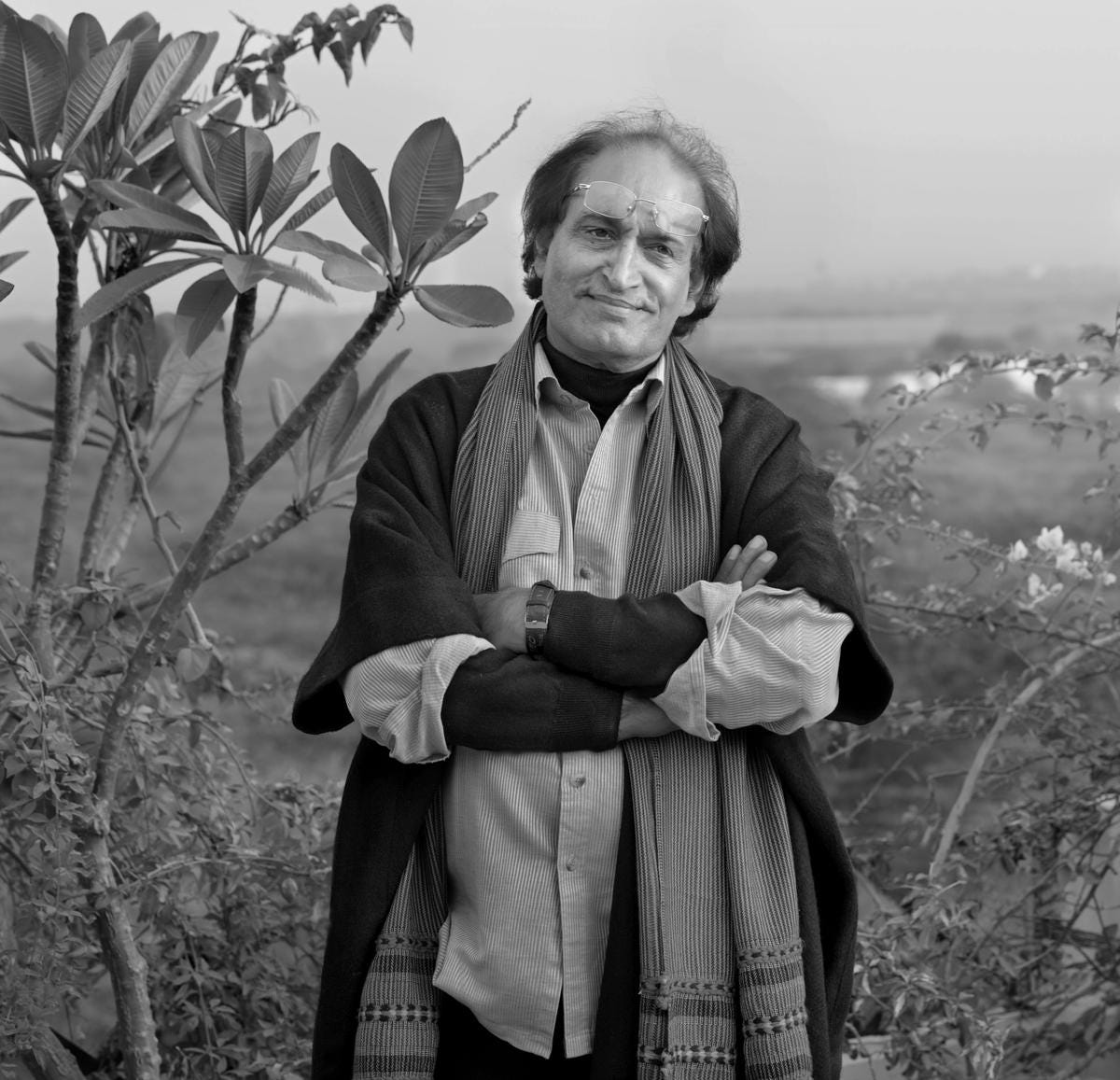
Born in 1942, Raghu Rai would go on to curate the soul of India. As a protégé of Henri Cartier-Bresson and a long-standing member of Magnum, Rai spent over half a century just capturing everything. From celebrations, to disasters, and many historic figures, he was a man who could find a symphony in the chaos or a sermon in silence.
On Sunday, April 26, 2026, the photography world learned that Rai had passed away. It was a genuine shock. He was a gentle titan who seemed immune to the passage of time. He was still travelling, still shooting, and still hosting workshops for eager students. Reading that he was gone through a slab of glass felt unbelievable.
Today, I’d like to share a few lessons and anecdotes from Rai. These are the things I’ve enjoyed learning over the years, anecdotes that brought me joy, and a few one-liners that still feel timeless.
Monochrome
One of my earliest studies in Rai’s work was India: Reflections in Black & White. If you’re asking me, it’s a must-have for any serious photographer’s collection. It’s a masterclass in creativity gravity in back and white.
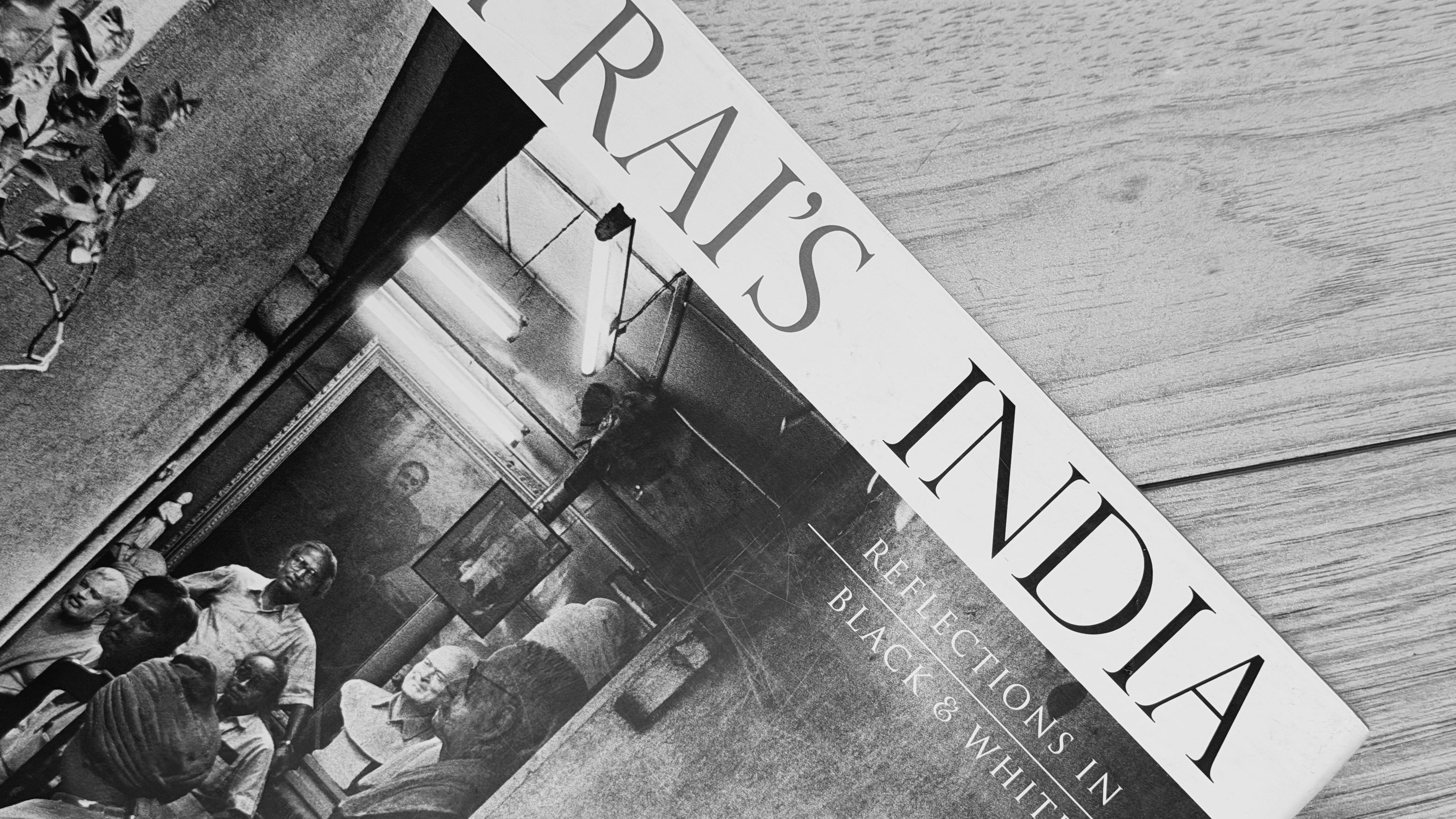
Rai had plenty of opinions on monochrome, but this stands out to me:
“I don’t choose black and white because it’s ‘classic.’ I choose it when the story is about the spirit and not the surface.”
The idea of black and white as a method of abstraction isn’t a foreign concept. However, for Rai, the process was spiritual. It was about stripping away the distractions of the physical world to create a pathway for the soul of the image.
Colour
Rai used to have some fairly sharp words for colour photography, but the advent of digital eventually softened his stance. He came to believe that digital sensors finally allowed him the same painterly control he’d enjoyed in the darkroom.
As someone who finds so much joy in colour work, hearing this brought a smile to my face. It reinforced my belief that colour has as much purpose as monochrome. More importantly, it showed that Rai wasn’t a dinosaur. He was unafraid to change his mind.
Creativity
There are frames in Rai’s work that feel institutional. They’ve become the point of origin for so many images coming out of India today. The fact that he was creating these compositions before the world was saturated with inspiration makes them all the more impressive.
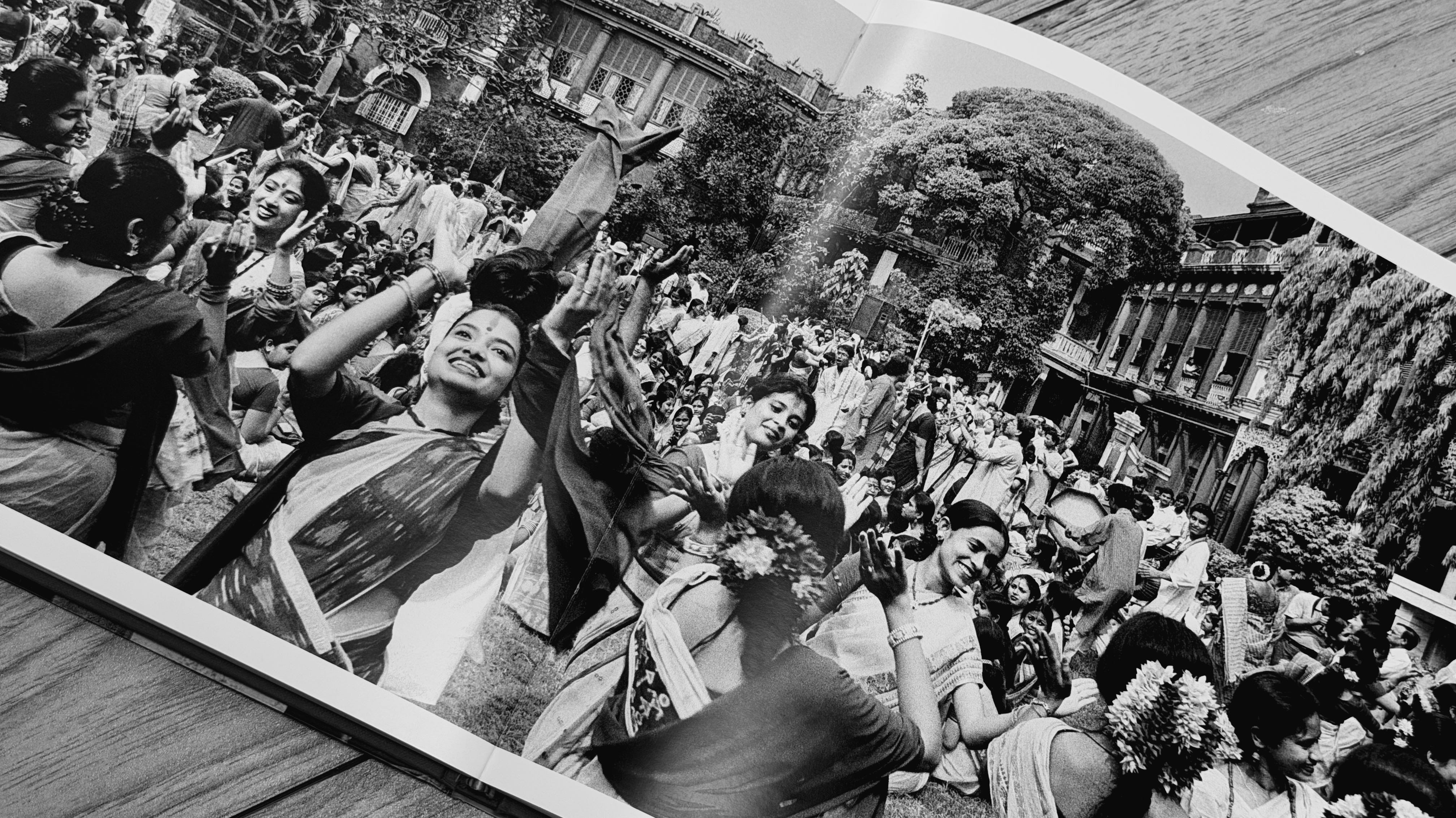
When asked about his process, Rai didn’t mince words:
“A creative photographer is one who either captures mystery or reveals things; everything else is useless.”
I’d forgotten I had this in my notes. While it might be a bit too hardline for some, I find it’s one of those rare statements in photography that feels more like a fact. For Rai, a photograph’s existence was only justified by its ability to tell a story, be it through mystery or revelation. Everything else was just wasted space.
Silence
In 1984, a pesticide plant in Bhopal leaked over 40 tonnes of chemical gas into the surrounding community. It’s estimated that up to 10,000 people died while hundreds of thousands more were left with life-altering injuries. The site remains contaminated to this day.
Rai was one of the first on the scene, arriving shortly after the leak. He described the environment not as chaotic, but as eerily silent. This presented a unique challenge. The tragedy was in the stillness lingering across the streets and documenting this would require much more grace.
“They say a good photograph is worth a thousand words, but a thousand words can be a lot of noise. How about some silence? A moment in space which is non-negotiable?”
Rai could produce an image that would leave you speechless. His work in Bhopal is the ultimate example of this. It made me appreciate that photography doesn’t always need to spark a staccato of dialogue. Sometimes, the most difficult and worthwhile task is to simply leave the viewer in silence.
Off-Centre
When asked why his subjects were so often tucked away in the corners of the frame, Rai had the perfect comeback:
“Where in India is anything in the centre?”
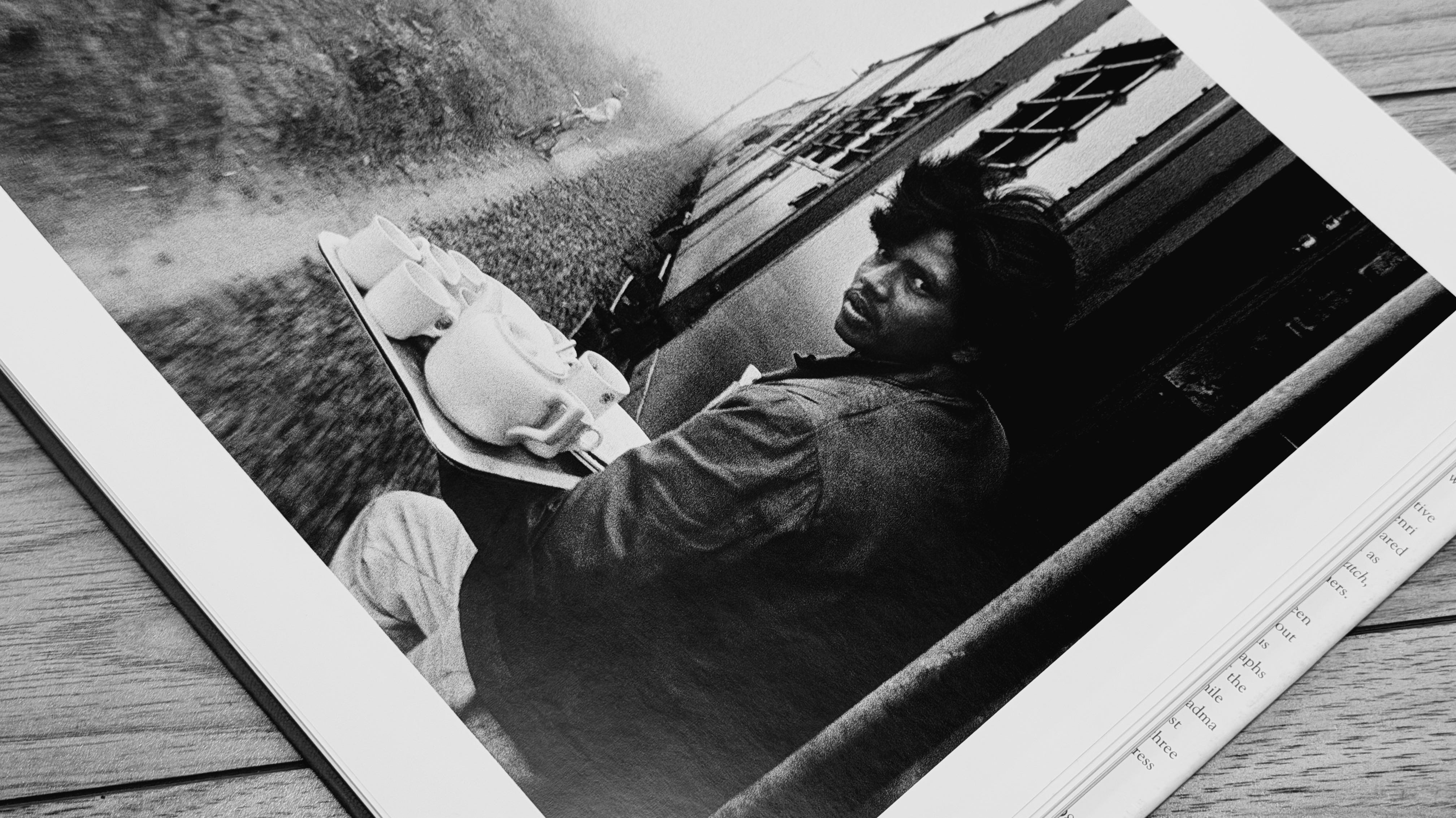
Rai was a charmer. Having travelled across India for years, I can tell you there’s as much humour as there is wisdom in that remark. I could write a thesis on this compositional tension, but it’s probably better if I just leave you to unpack it for yourself.
People
There was a sharpness that Rai had even to his final days. In a recent Q&A session, he was asked why he photographed the “poor” so often. His response was perfect:
“If the ordinary people don’t touch you, then what the hell are you here for?”
Perfect. No notes.
Wide-Angle
Raghu Rai’s work with wider angles felt novel because it was never about distortion, it was about atmosphere.
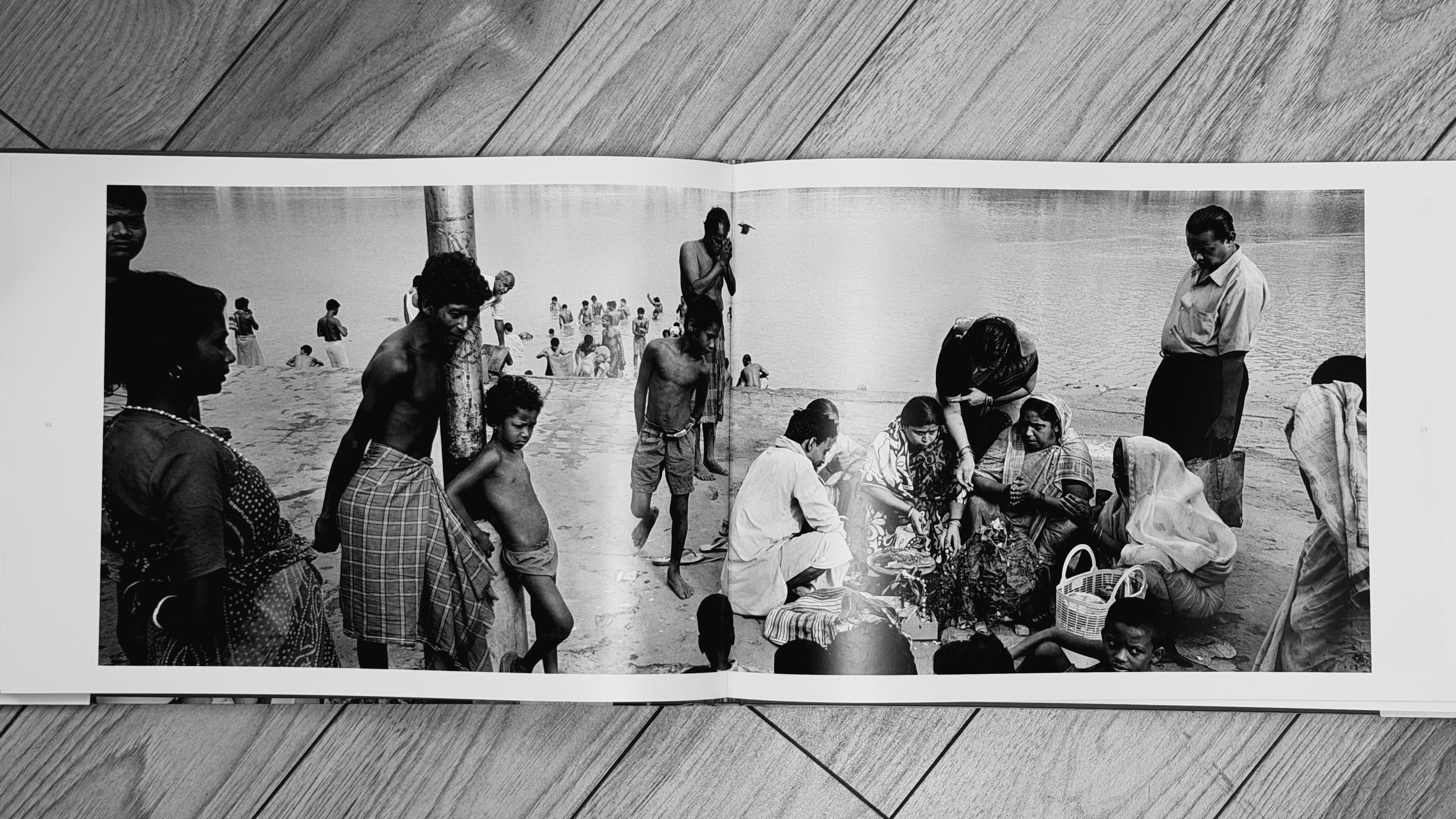
“I am partial to the wide angle because even when I photograph a person, I want the atmosphere, the surrounding, the simultaneity of moments.”
A wide lens gave Rai the opportunity to include the entire world in which his subjects lived. It also forced him to get closer. He believed it required a photographer to be physically available to their subject. You couldn’t just be a spectator. You had to be part of the scene’s energy. It’s an energy I’m all too familiar with, and it’s what truly connects us to the work.
Meditation
Raghu Rai was more than a photographer. He was an artist, a humanist, and quite the philosopher. He treated the craft as a form of meditation and introspection. It was an intentional practice of making oneself available to the human condition and, as a result, opening your mind to the rhythm of life.
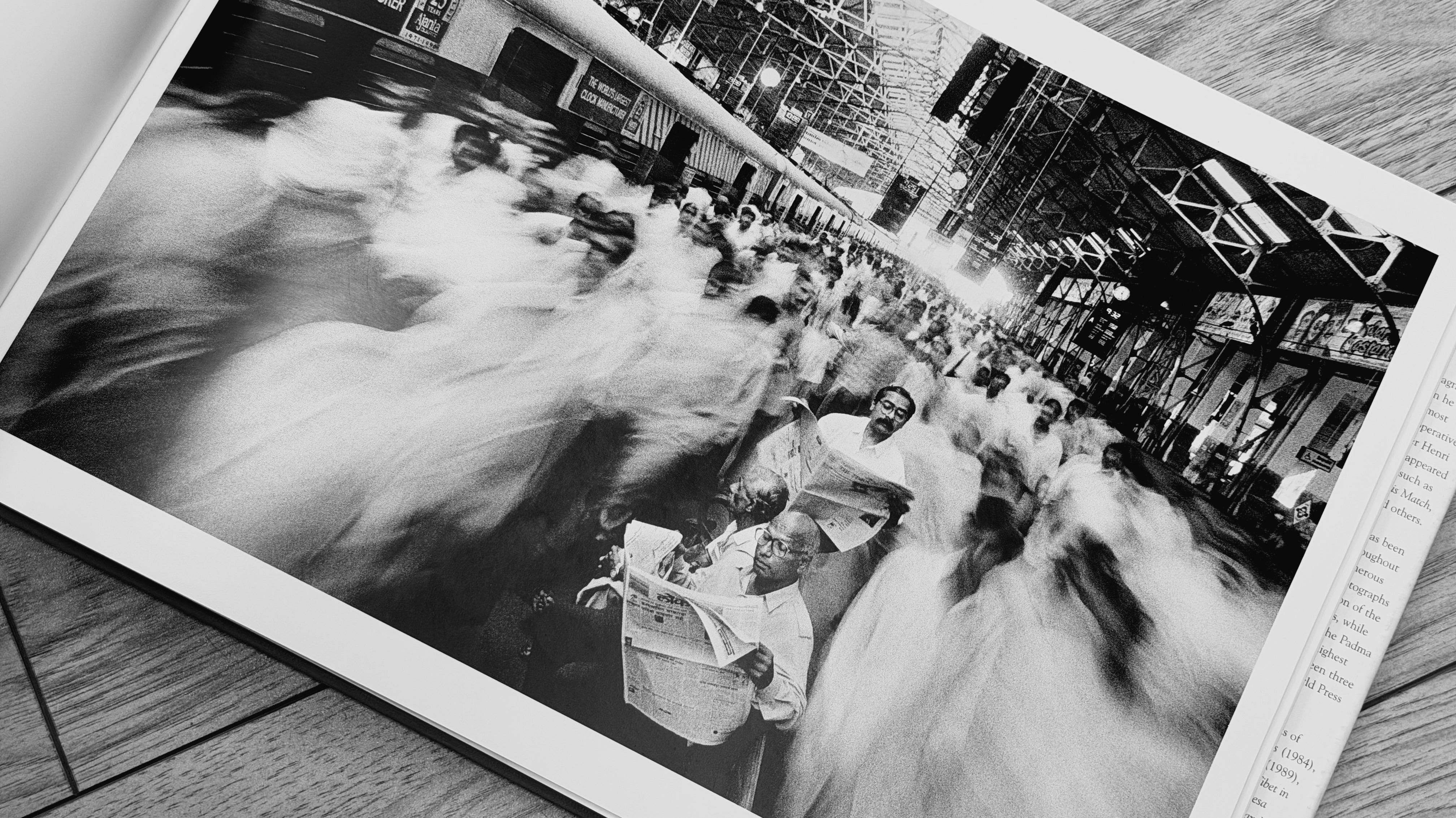
In his work, it was clear that Rai wasn’t observing from the outside. He was a part of the world, alongside his subjects. He loved his them, even if they had no idea who he was. And to me, that’s the legacy that’ll stay with me the longest.
Upcoming Events & Workshops
Leica Akademie: Video for Photographers - London
This June, I’m leading a two-day workshop in London for photographers who want to learn video. Whether you’re looking to create short films, branded content, or simply elevate your visual storytelling, this workshop provides a practical introduction to filmmaking. Sign up here.
Seats for my 2026 India workshop are currently sold out. If you’re still interested, you can join the waitlist here to be notified if a spot opens up or when new dates become available.
Previous Favourites
May Contest
This month, I’ll be giving away a $200 gift card to the Moment Shop where the winner can save big on their next camera, lens, bag, or courses. Moment has so many creative products to choose from and $200 can absolutely make for a great deal.
How will I pick the winner? Make sure you’re signed up for this newsletter then leave a comment on at least one post from this month. I’ll be randomly picking one person, confirming they meet the requirements and contacting them directly before announcing the winner publicly.
As always, this contest is void where prohibited by law. Good luck!
My thanks to the team at Moment! Not only for this contest but for being the longest supporter of my work online. They’re a lean team of passionate creators that truly believe in supporting other creatives on their journey. Whether it’s a new camera, lens, workshop, or just some great articles, visit ShopMoment.com today.
What’s Next?
This is the second time I’ve had to write a piece like this, and I can’t say I enjoy it.
For one, it’s a stinging reminder that when I had the chance, I never actually took the leap to meet the people who meant so much to my journey. Secondly, no matter how much I share here, it never feels like I’ve quite done the person justice.
But we try.
Raghu Rai was one of the greats. His name should be celebrated in creative circles for decades to come, and I’ll always find a bit of joy in introducing his story to newcomers.
GB
His work is inspiring. I look at his work and it made me think a bit. I am considering spending 1-2 months in India next winter. Is it crazy to think a short, very white American could capture images anything like this with sufficient talent? How open are people in India to being photographed outside tourist areas?
Nice write-up, I'm glad I didnt skip this in my inbox. May Raghu Rai rest in peace. Let me go heck out his books