

Photography at the Edge of the World
How the polar regions continue to reshape my journey

There’s a specific obsession required to drag a backpack of cameras and lenses to the corners of the world. We can use phrases like spirit of adventure, but at some point, that doesn’t encompass the bigger picture.
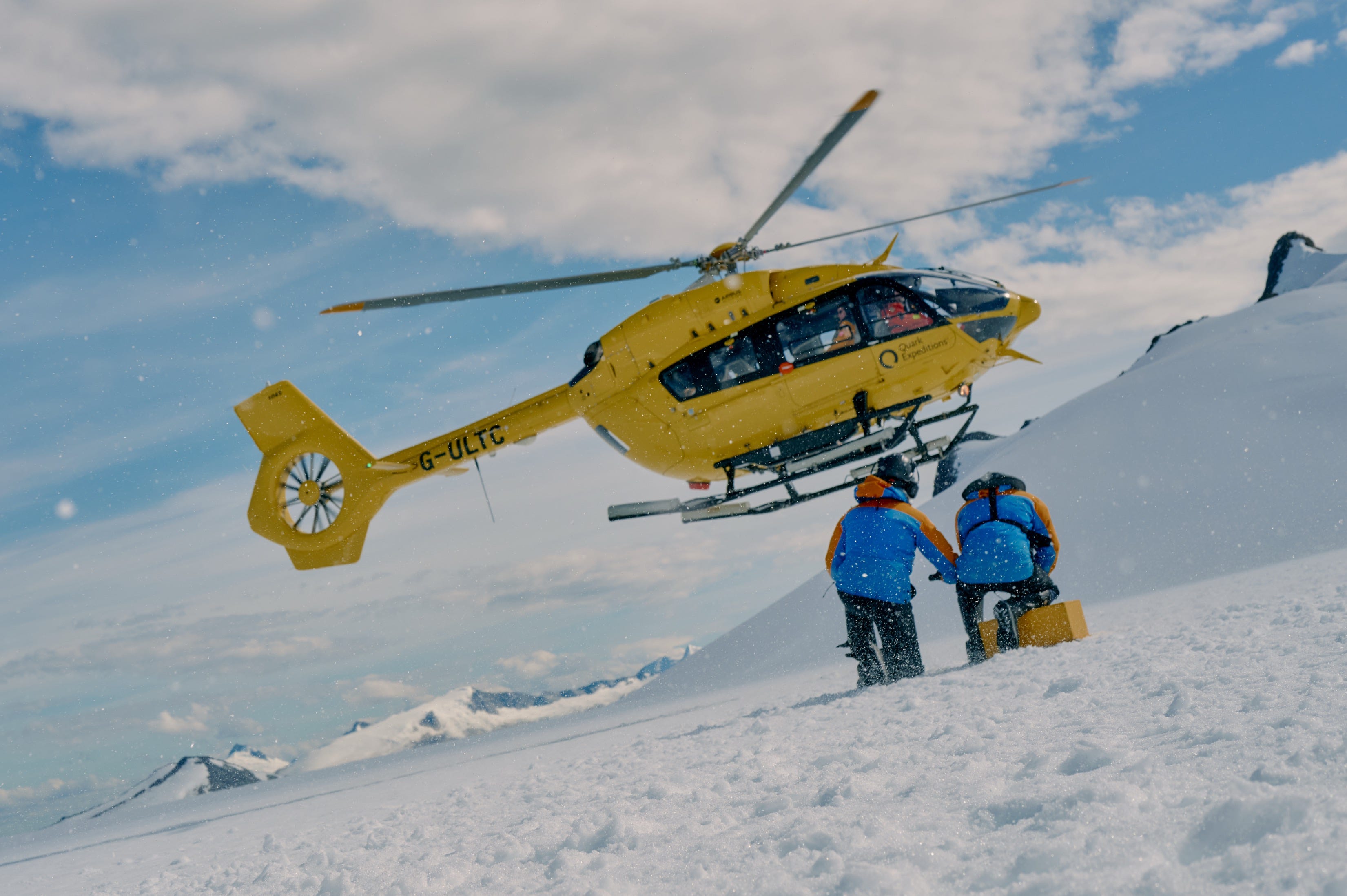
For the last two years, I’ve been developing a long-term project around shades of blue across the polar regions. When my friends at Quark Expeditions invited me on an exclusive voyage to Patagonia, I was thrilled to further my work. However, that plan was quickly sidelined.
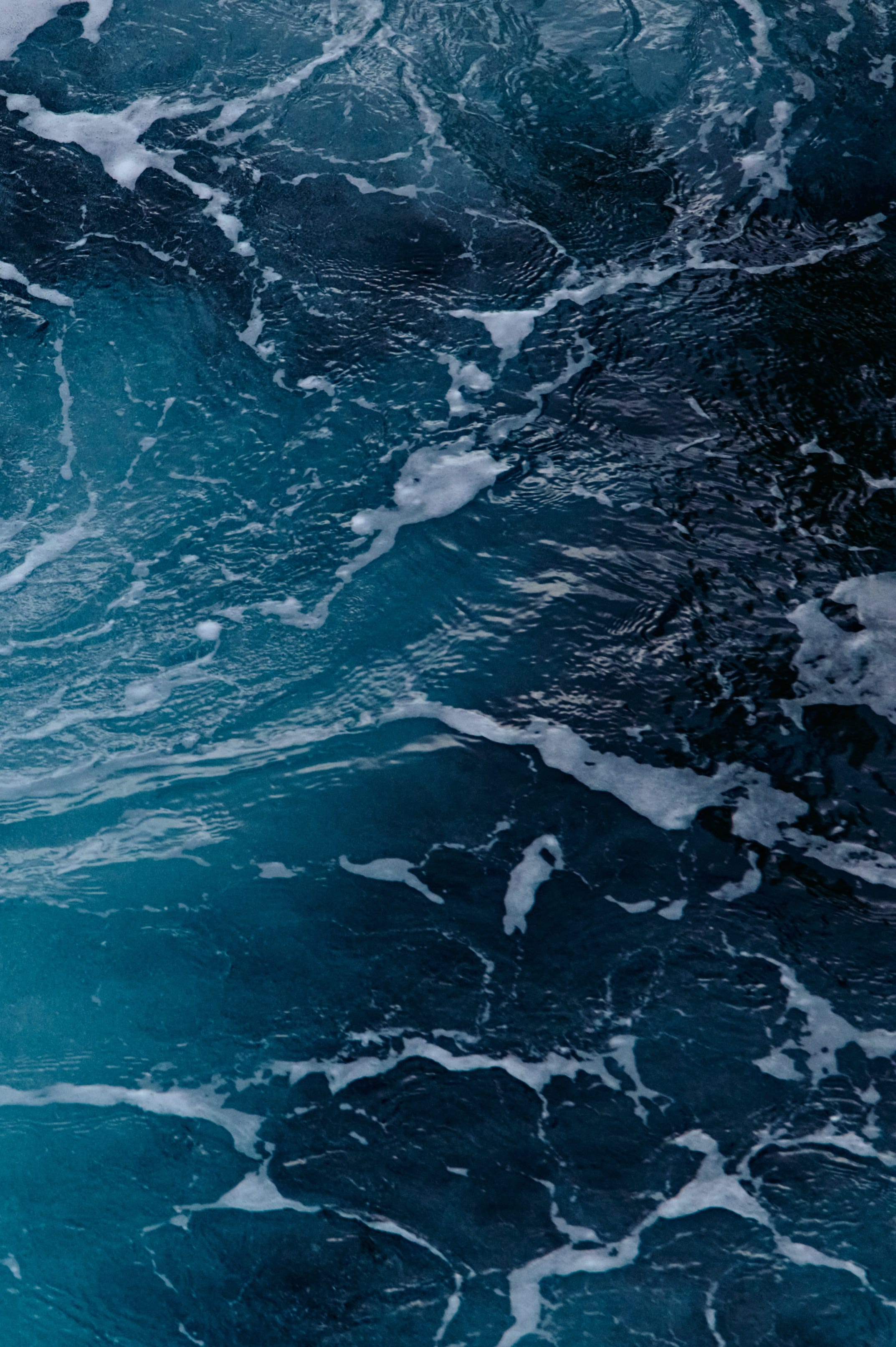
Navigating winds and waves that shift faster than you can say Darwin Cordillera is a daunting task. It’s a high-stakes game of chicken with the elements. While easier than it was decades ago, it still demands respect. And with that in mind, I reoriented my trip around respect for those who came before.
This week, I’m going to share my experiences from a trip deep into Patagonia and how an unconventional approach reshaped my intentions with polar photography.
Upcoming Events & Workshops
Leica Akademie: Video for Photographers - London
This June, I’m leading a two-day workshop in London for photographers who want to learn video. Whether you’re looking to create short films, branded content, or simply elevate your visual storytelling, this workshop provides a practical introduction to filmmaking. Sign up here.
Seats for my 2026 India workshop are currently sold out. If you’re still interested, you can join the waitlist here to be notified if a spot opens up or when new dates become available.
The Edge of World
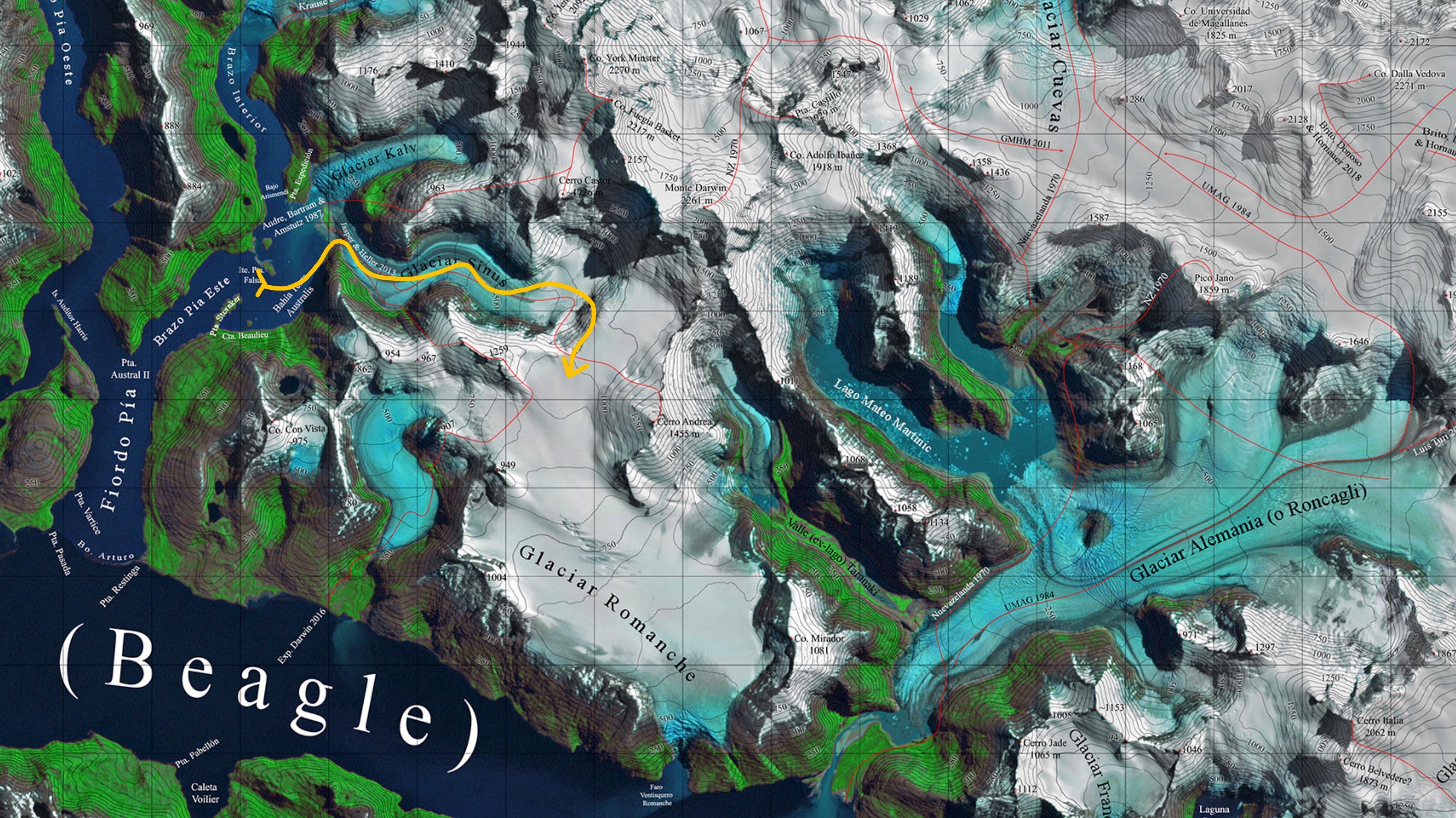
Before I jump into the photography, let me show you exactly where we were headed. I flew from Toronto to Buenos Aires, then hopped on a chartered flight to Ushuaia. There, our group boarded the Ultramarine to navigate around Cape Horn and through the Beagle Channel, deep into the Chilean fjord systems.
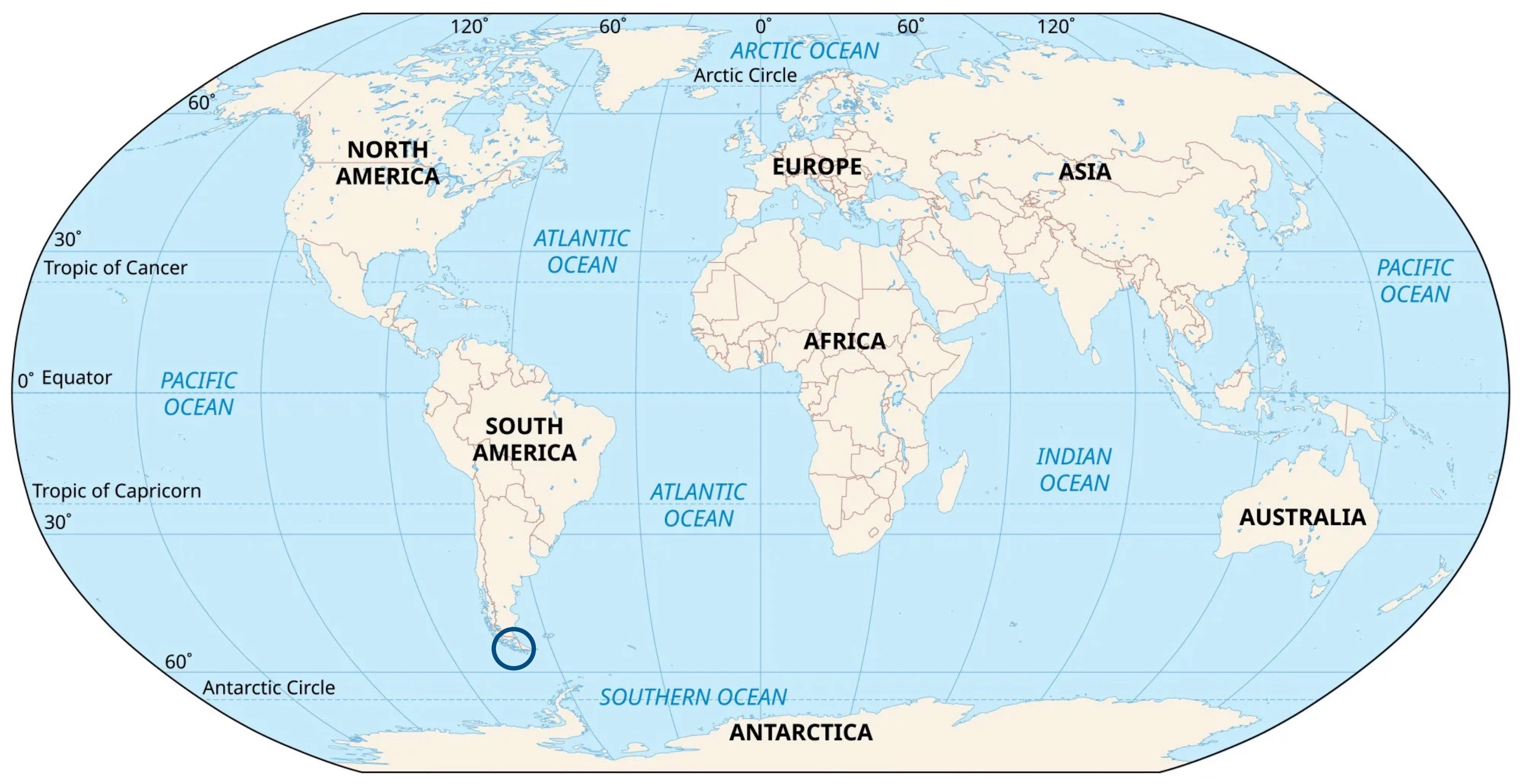
A few minutes on Google will humble you on this region. It’s a part of the world where you can see all four seasons in a single day, and has claimed hundreds and hundreds of shipwrecks. It goes without saying that a good map of this place makes all the difference.
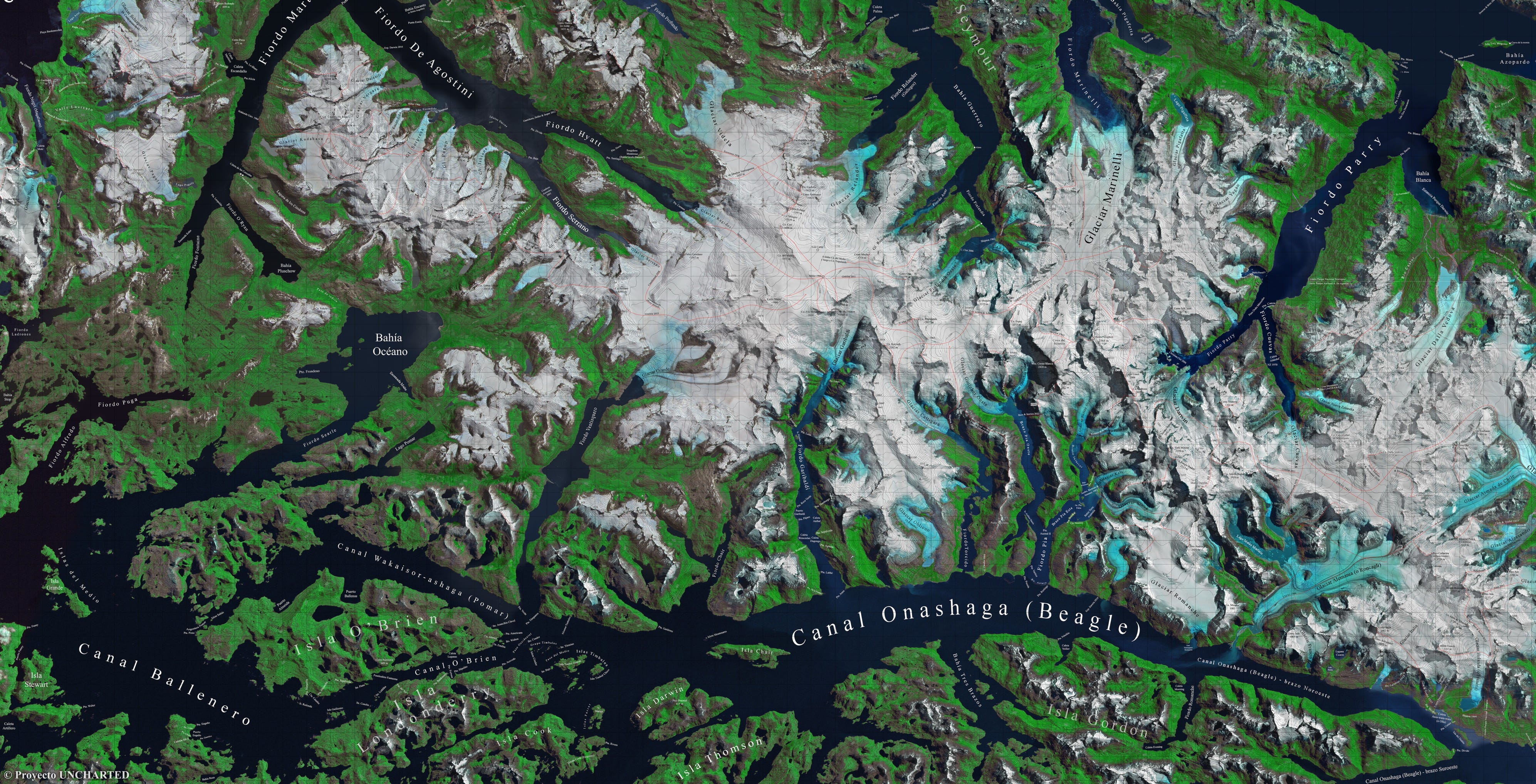
Dr. Camilo Rada has a PhD in geophysics, is a professor at Universidad de Magallanes, and is an affiliate professor at the University of British Columbia. Dr. Rada has been a passionate explorer of Patagonia and Antarctica as both a scientist and mountaineer for over 20 years. He and his team have been remapping these regions with incredible accuracy and importantly, including indigenous names from the past that you see above.
He’s the real deal. Knowing that experts like him would be on this voyage, I decided to pivot my goals from a results-driven photography process into an experiential journey rooted in education.
In The Steps of Giants
With any camera-related trip, personal or professional, there’s significant pre-production work involved. As I prepped for this adventure, I realized there was a unique opportunity to chart a path further into the cross-section of exploration and environmentalism.
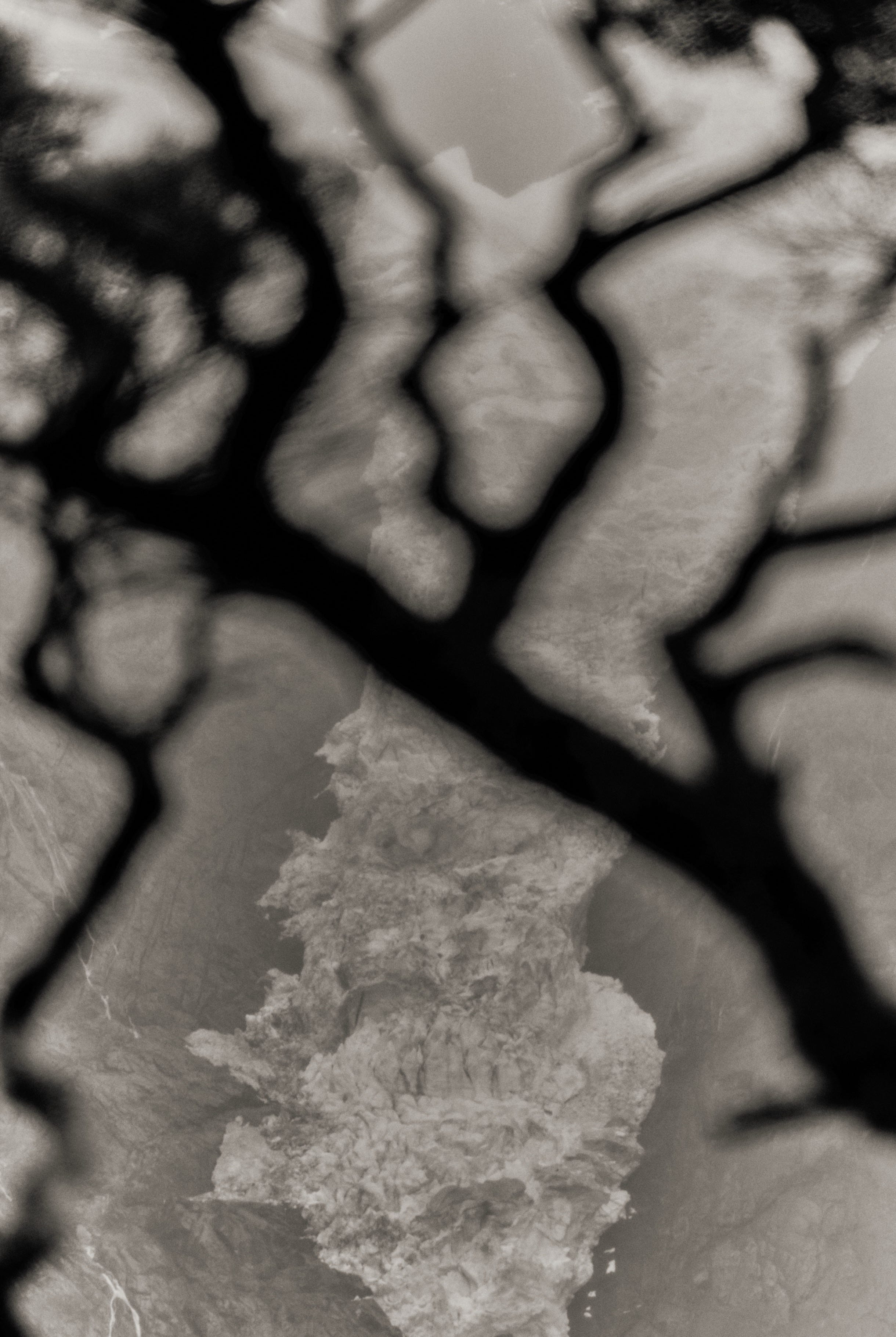
From navigating the same channels as legendary adventurers to landing on an ancient glacier in a way that’s never been done before, an undercurrent of curiosity bubbled to the surface the more I researched. This would go on to form the basis for my two goals on this voyage.
First, I challenged myself to be an incredible student. Given the scientists, adventurers, and local experts I’d be travelling with, I wanted to focus primarily on learning. This meant approaching every situation with curiosity first, taking voracious notes, and interviewing as many experts as possible with the goal of being able to speak confidently about this region in the future.
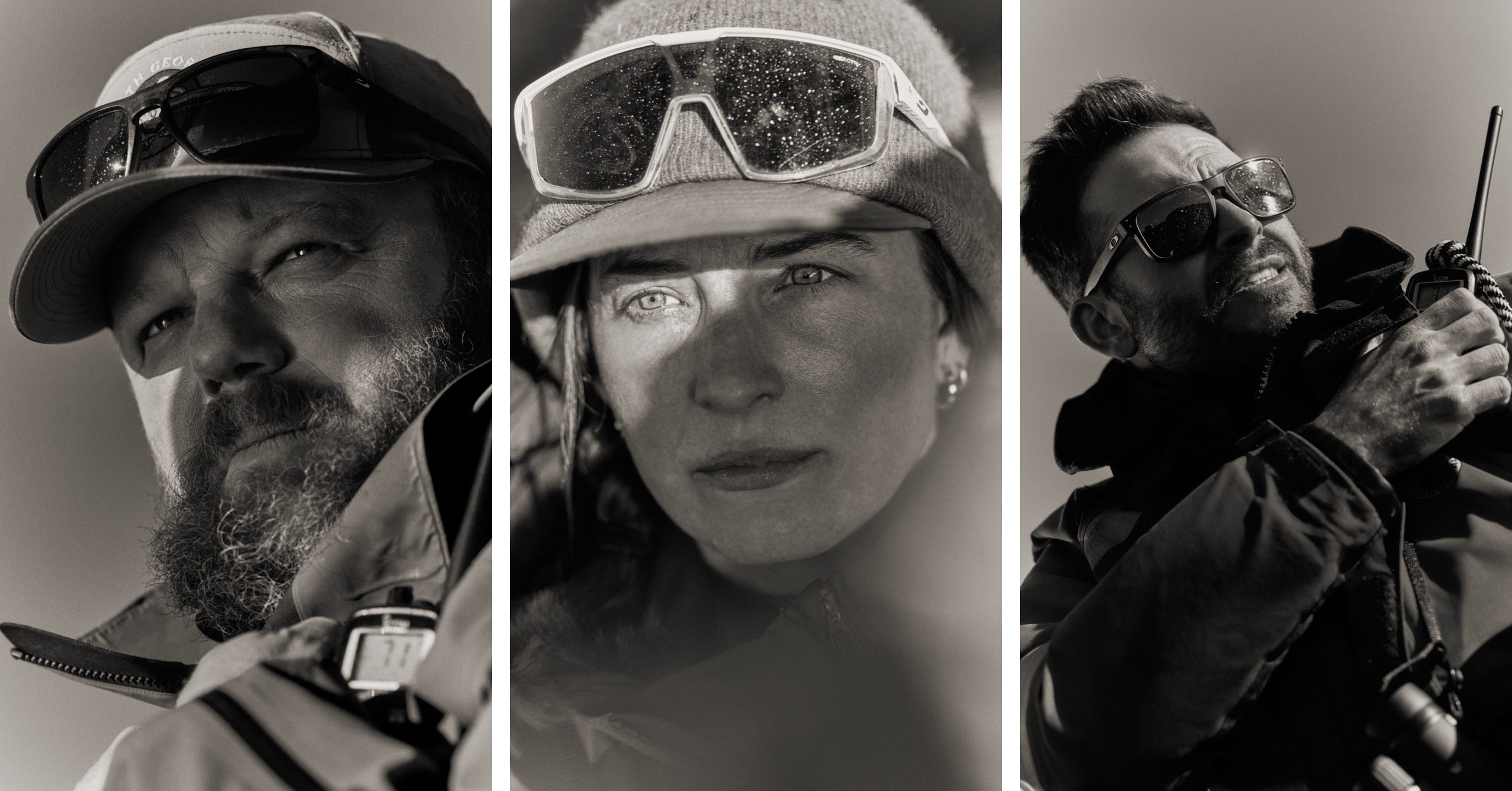
Second, and perhaps more importantly, I wanted to channel the spirit of past explorers and photographers through the intentional practice of black and white film photography. This wouldn’t replace my digital workflow. Instead, it served as a meditative practice alongside it.
My hope was that this analog process would open a connection to the past, where the focus wasn’t just on creating images but on sparking a moment of epiphany.
I’m aware of how crazy this might sound to some folks, but life often demands a little dose of crazy to spark a genuine eureka moment.
The Architecture of the Infinite
As photographers, you don’t capture Patagonia. You negotiate with it. Thankfully, most of our negotiations went incredibly well. By the second day, we landed on Cape Horn. This place looked like Ahch-To from Star Wars, a vertical, rocky, sea-battered island where you’d expect to find a Jedi, not a family of five overseeing the daily operations of a lighthouse.
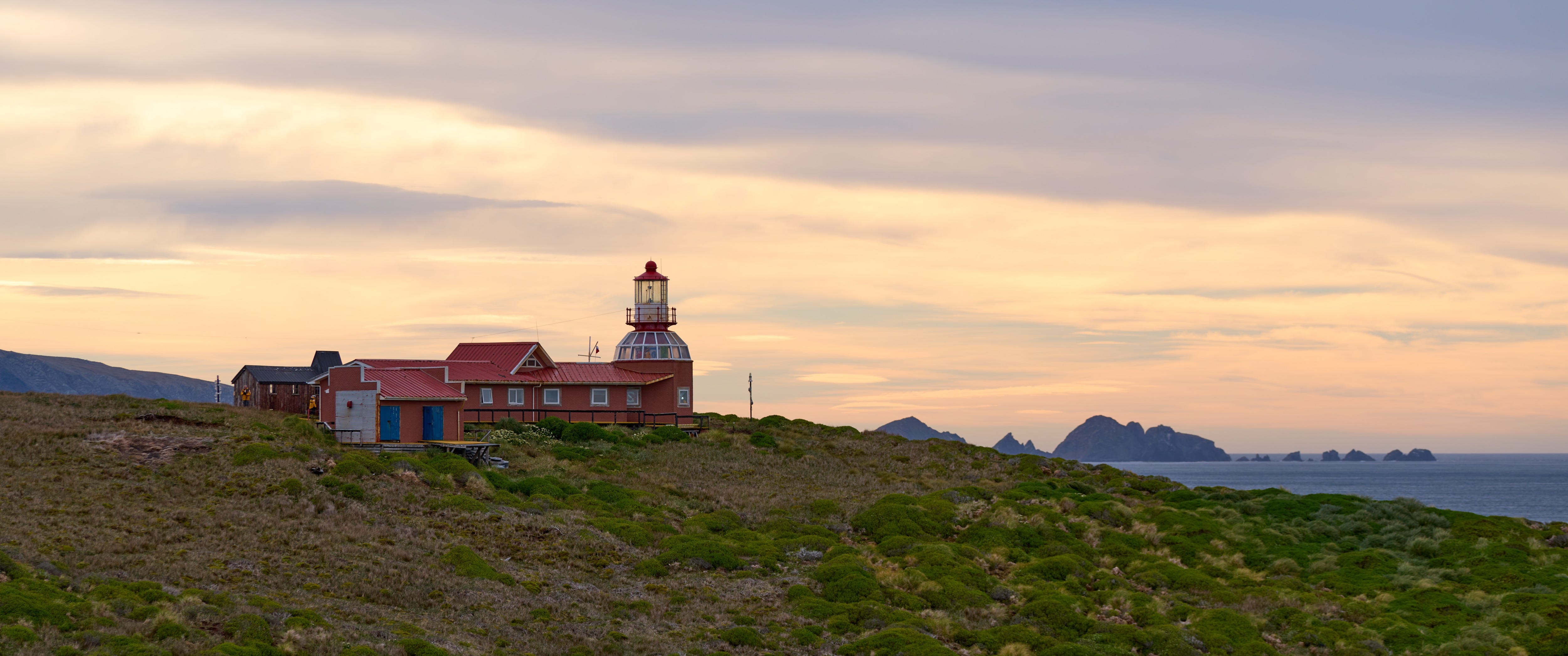
The waters were extremely tricky and conditions were just right for our visit to happen. Landing here in the 1600s must’ve required a level of commitment that makes our modern roughing it with Zodiacs look like a spa day.
As we moved deeper into the Darwin Cordillera, I leaned into the Ansel Adams playbook. Adams was a master of the internal architecture of a scene and deeply committed to a photographic process that was methodical in nature.
Sure, my Leica M6 seems pocketable in comparison to his large-format monoliths of yesteryear, but there’s a touch more friction when shooting any kind of film over digital. I wanted that friction. I wanted the 36-exposure anxiety that makes you look at the architecture around you and study the scene just a little longer.
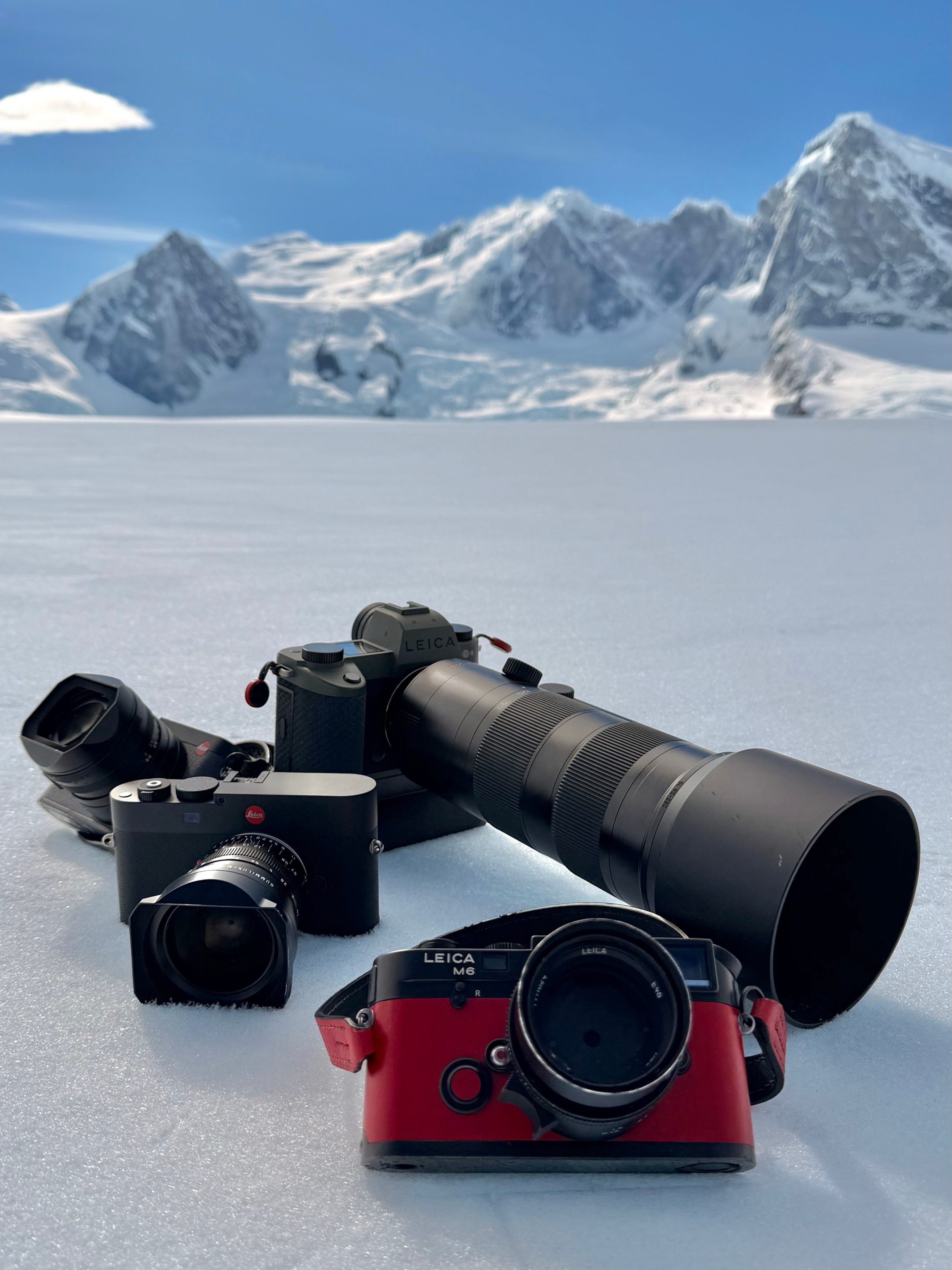
Later in the trip, a small group of us spent a day at Bahia Brookes, dragging ourselves up a 200-metre vertical mud-pile in unforgiving rain, and here, I decided to shoot solely on film. As Andean condors circled above—using the same wind conditions that were currently trying to blow us off a ridge—I realized that there was this quality of “infinite” to the architecture of this region. There was a weight to this view and capturing that weight required patience.
Adams once said that sometimes he gets to places just when God’s ready to have somebody click the shutter.
Must be nice.
In Bahia Brookes, God was also ready to drench my M6. The architecture here was built on contrast: inky black granite against silver mist. It was the ultimate test of the Zone System. The view from where our hike concluded had a weight that felt truly infinite. Compressing that into the two-dimensional medium of photography felt ludicrous. Compounding this with analog film felt like cranking up the difficulty beyond reason.
But that’s the point.
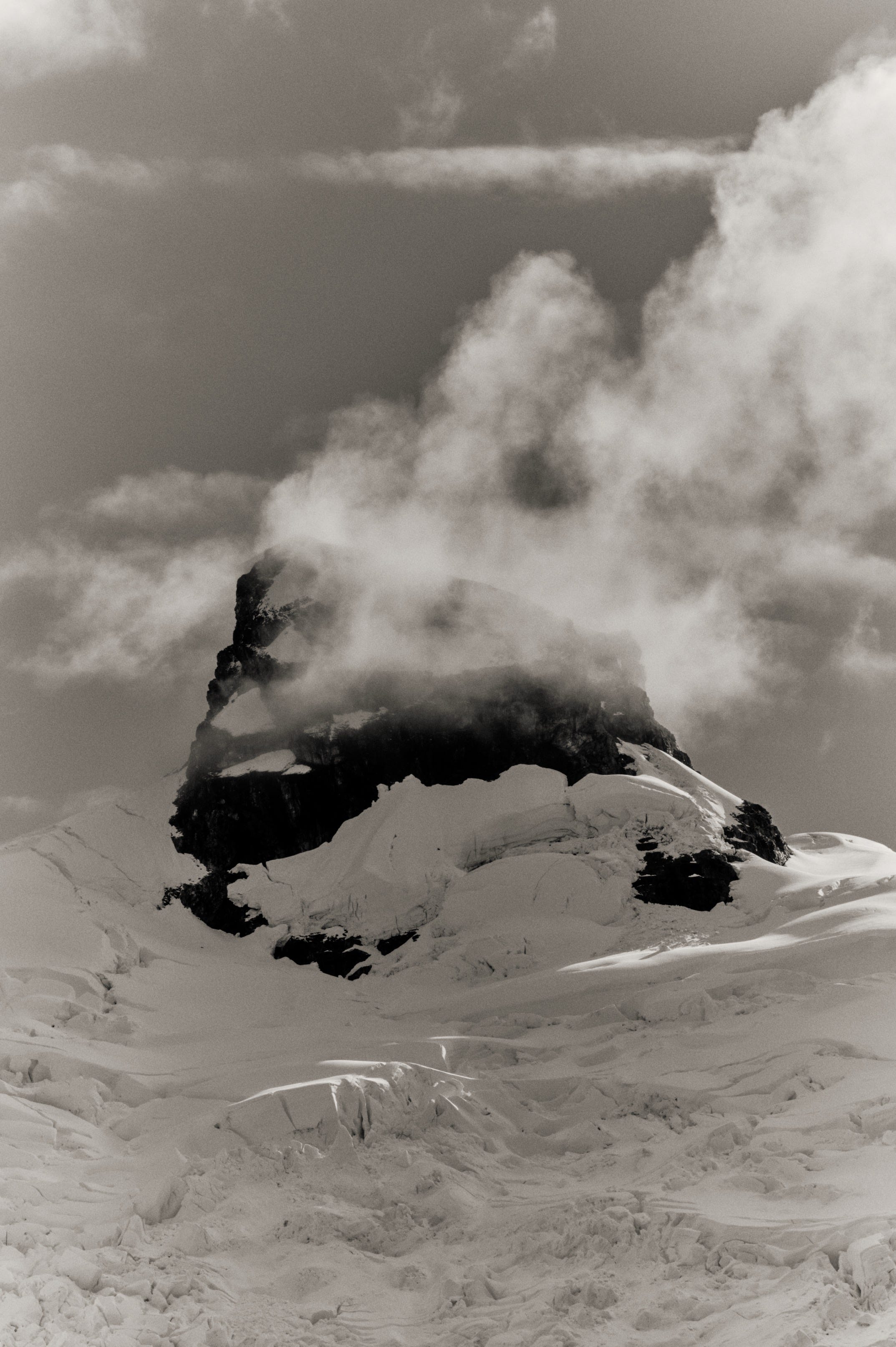
The above is a shot from another location for dramatic effect because you see, my film shots haven’t arrived yet. But when I review them, I won’t just see photographs. I’ll see a pursuit. This quest to encompass the architecture of the infinite into this plane of existence that carries a weight with it. The question is, will any of these images carry enough weight to impact viewers outside myself?
The Pulse of the Fjords
Beyond the peaks of Patagonia, there’s a biological heartbeat to this region that feels remarkably human. The ever-changing conditions and precarious ecosystems feel like a living, breathing entity.
In Agostini Sound, I connected with Rodrigo, a local explorer and chemist who spends his days taking water samples to measure pH and salinity, among other things. While I would be studying the region through light, he analyzed it through meltwater. I felt a kinship with him. We were both investigators, albeit using vastly different tools.
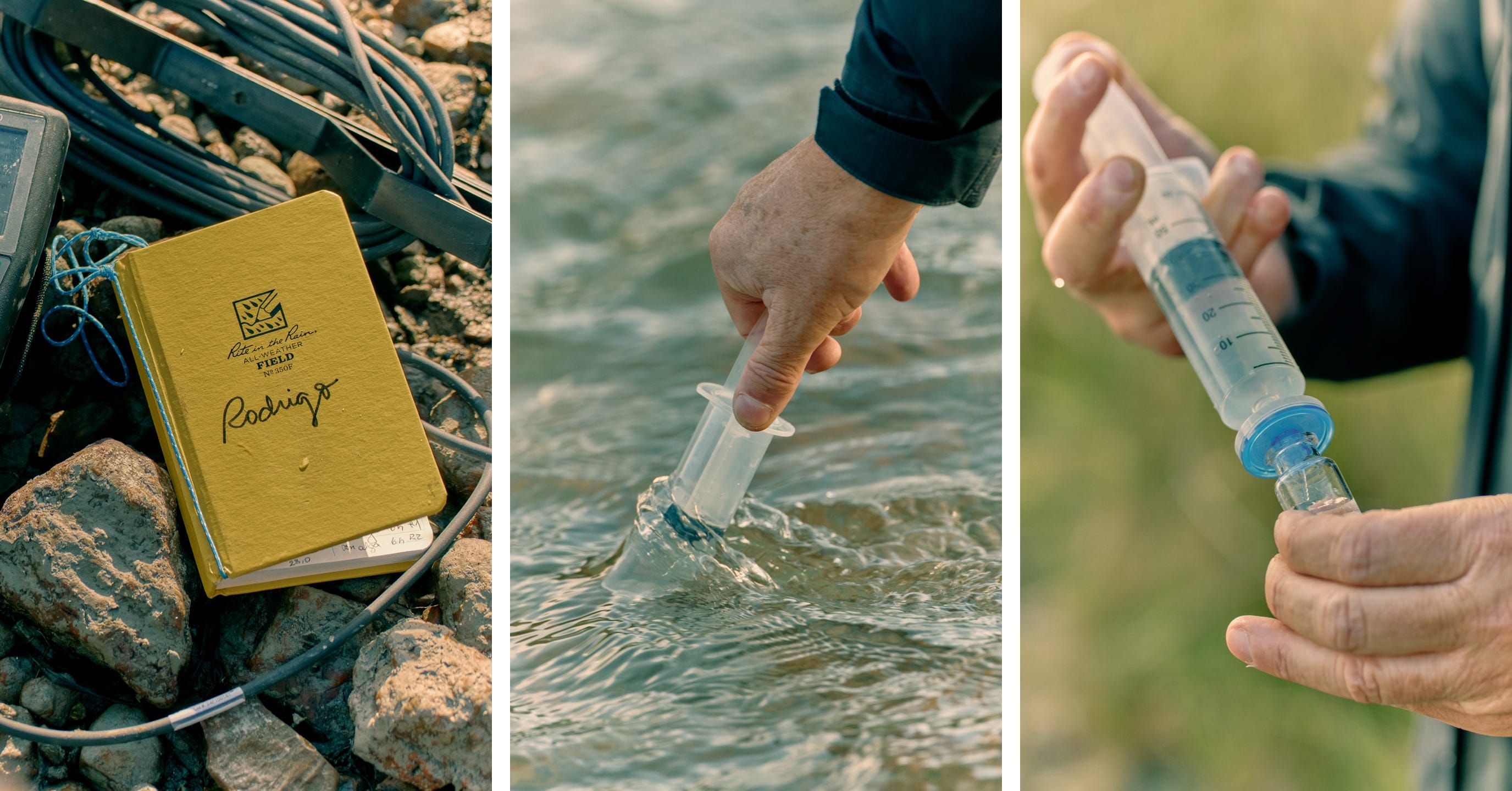
His conviction to the work reminded me of Cristina Mittermeier, a marine biologist and conservation photographer. She often talks about the fragile boundary between the air and the ocean’s surface, the space separating the known world from the at-risk ecosystem below. She coined this concept the Thin Blue Line.
Rodrigo and his team have dedicated their lives to studying that line, which would inspire me to try and translate that delicate relationship between above and below into my photography.
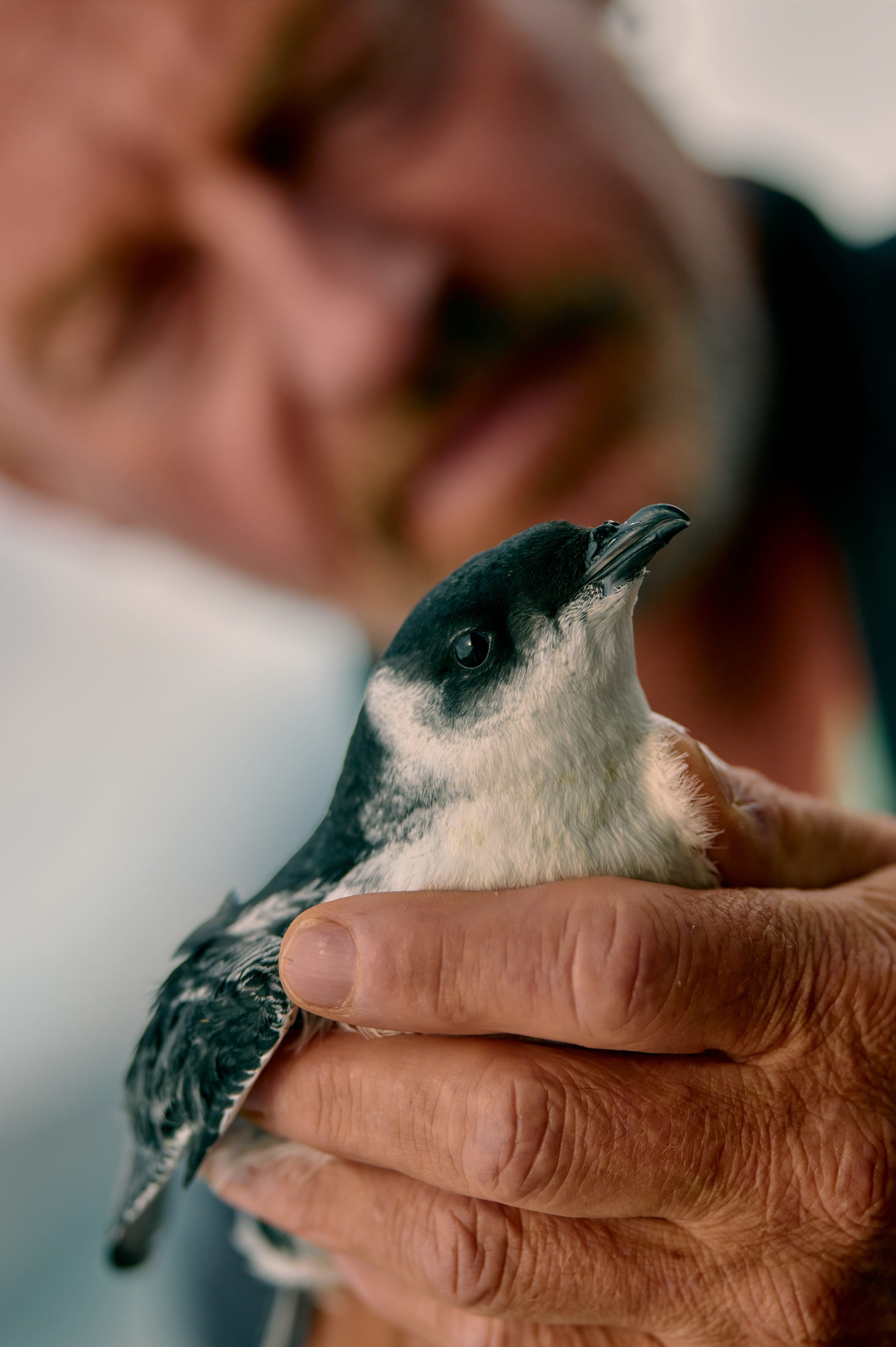
During this trip, I also connected with Fabrice Genevois, a French biologist and ornithology expert. He truly believes birds are a boundless source of wonder. One morning, he asked if I wanted to see him release a bird. I did a double-take, unsure if he was being serious or if this was some French euphemism.
It was exactly what he said.
We met at the stern where he held a Magellanic Diving-petrel in his hands. He explained to me that birds are often attracted to ship lights at night and can collide with vessels. Every morning, he makes rounds to collect any birds that may have landed on our vessel and were too afraid to leave. He tends to birds in his cabin then, ensuring they’re healthy, then safely releases them.
This moment served as a further reminder of the delicate relationship between humans and the environment. While our vessel was significantly smaller than most, our team employed rigorous checks and balances to minimize harm, often exceeding local and international guidelines.
Toward the end of our trip, we visited Estancia Rio Penitente. Founded in 1891 by Scottish immigrants who clearly didn’t mind the wind, we landed on this ranch during the year’s first snowfall in Punta Arenas. It made for an incredible backdrop.
From live sheep shearing to Chilean folk music and a delicious meal cooked by a flame, this day had all the ingredients for a perfect photography day. That history and human connection made what was previously a point on the map for me transcend into a palpable memory.
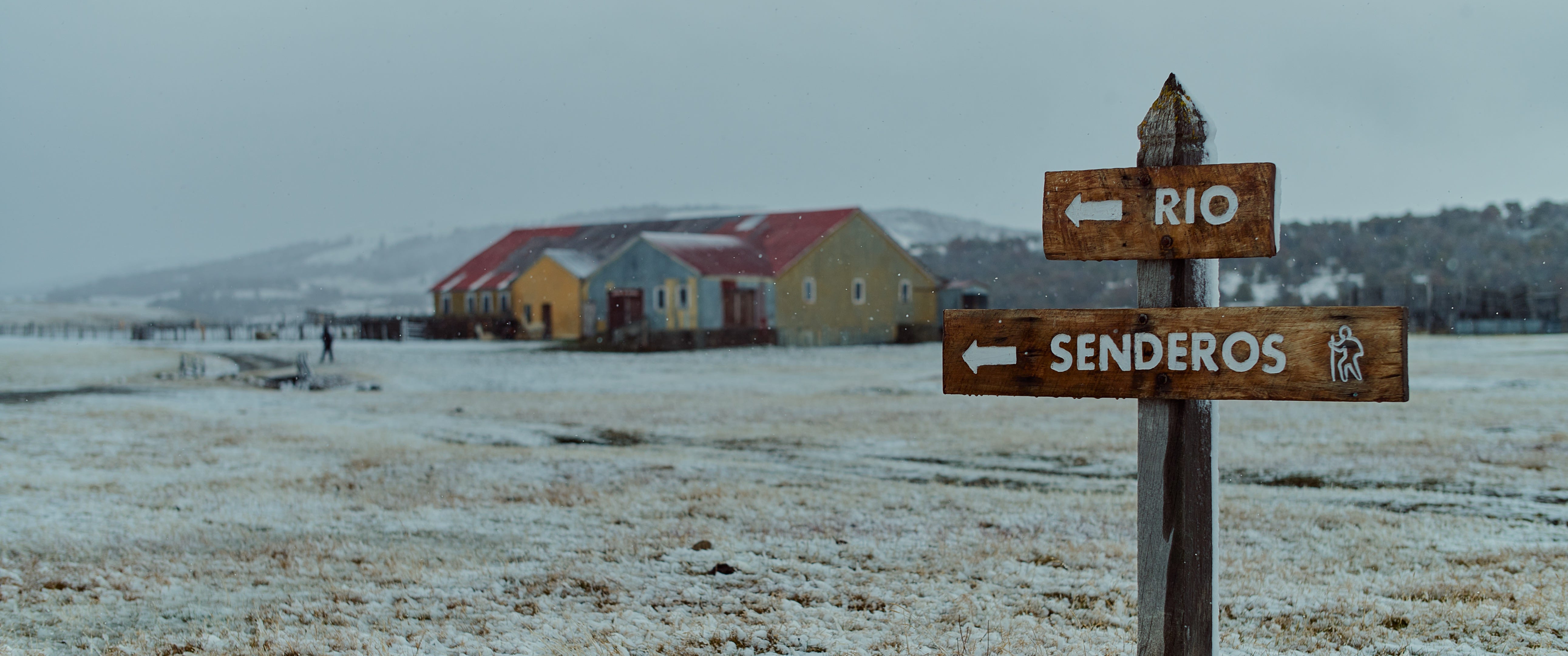
Our trip to the estancia really cemented for me that Patagonia is alive. It has a pulse. It carries the culture of centuries of explorers and a dynamism in climate shaped by eons. It’s with this understanding that I now look back that I really started to wonder: how can my photography, even in some small way, help keep this pulse alive?
The Genesis of Light
Sebastião Salgado spent eight years putting together his masterpiece, Genesis. This photo book is a love letter to Earth that explores pristine landscapes, diverse wildlife, and indigenous communities. It’s a staple in any photographer’s collection and served as a great study for this trip. Unbeknownst to me, we would land in a place where I’d have a Genesis moment.
Halfway through our voyage, we had the opportunity to get in a helicopter, fly over a fjord system, and land atop Pia Glacier. It’d be a landing that, as far as everyone knew, had never been done before. And as a result, a vantage point that had never been seen by modern photographers.
I was gassed.
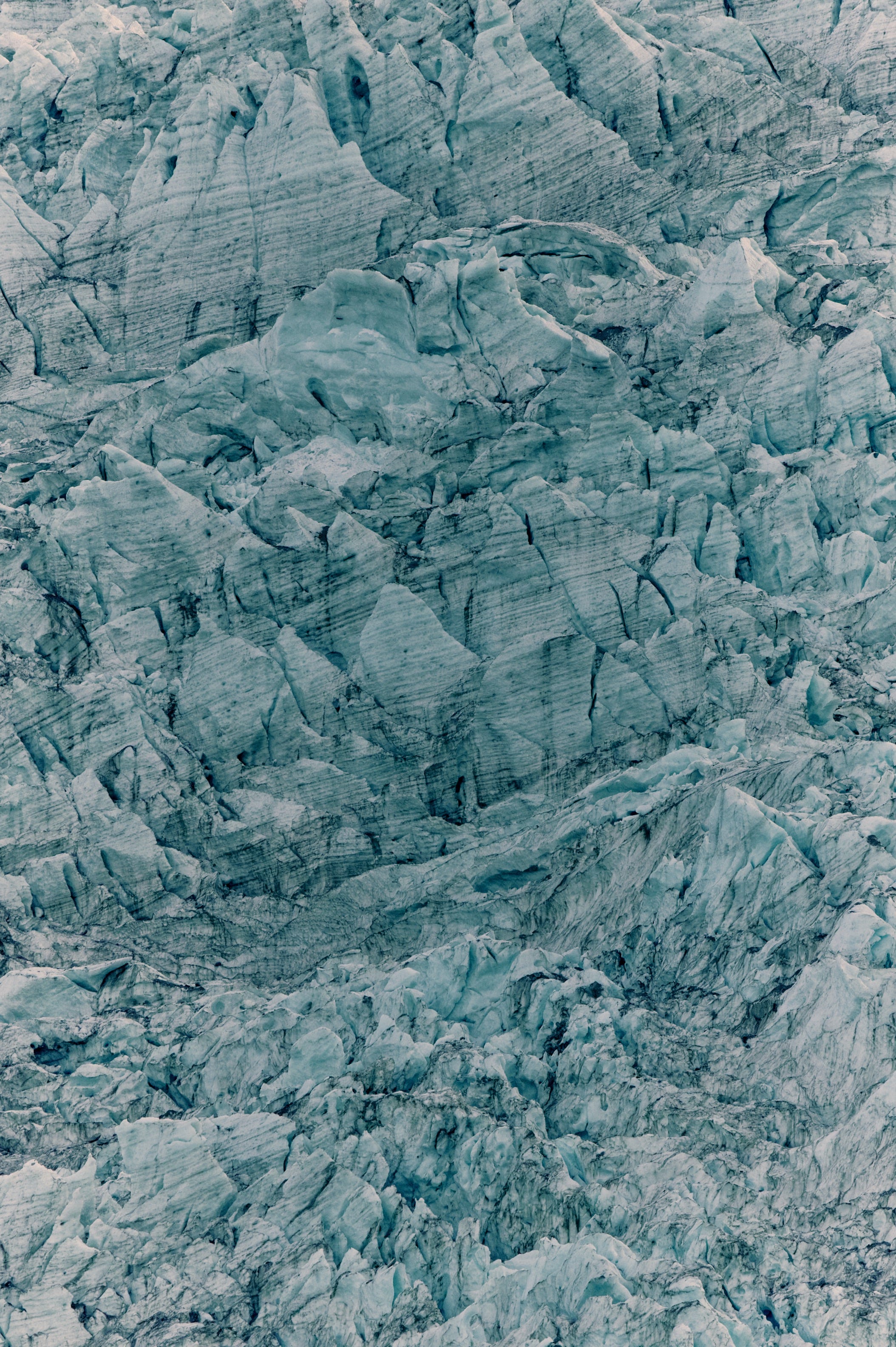
The helicopter ride was exciting, but it didn’t compare to what we saw. We landed on the ice with a direct line of sight to Mount Darwin and Mount Shipton. The sun was beaming. The blues were so vibrant they looked like Mother Nature had cranked up the vibrancy slider in real-time. But this was a Salgado frame, where colour had to be abstracted for a scene that felt like the world as it was on day one.
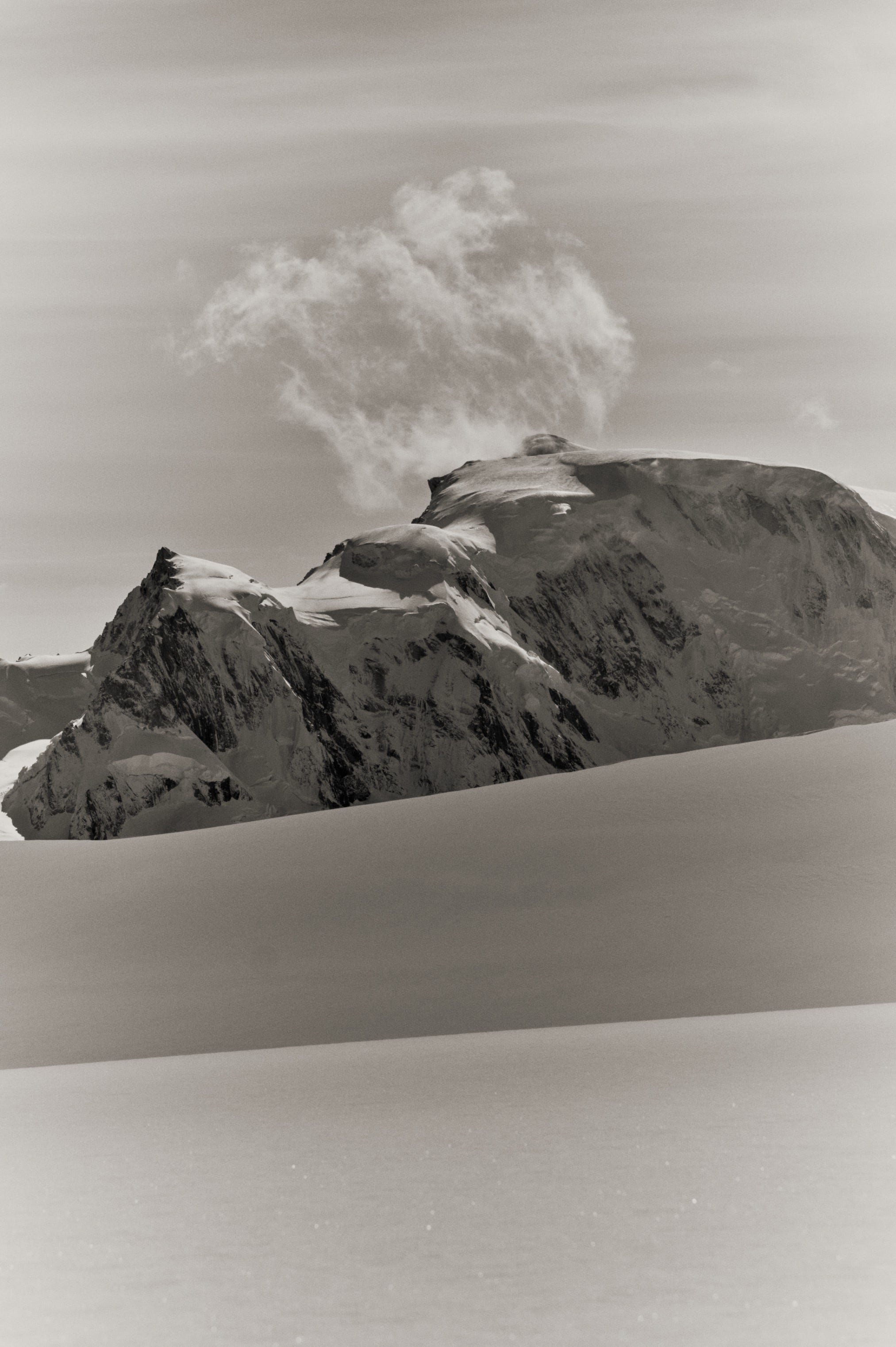
There we were, looking at the layers and textures of this crystalline mountain range from a place where it seemed no one had ever set foot. With that in mind, I tried to capture this silver-halide interpretation that felt almost too perfect to be real.
I wasn’t trying to mimic Salgado. I was trying to speak to him. I dipped into a process to connect with his Genesis years, hoping for my approach to have a dialogue with his. Through this unconventional method, I garnered a deep appreciation for something he shared years ago:
“In Genesis, my camera allowed nature to speak to me. And it was my privilege to listen.”
The photographic journey regularly transcends photography itself, especially for those willing to venture outside the margins. With discipline and reflection, you can find yourself having conversations beyond time and space that’ll baffle most muggles. Which makes me think, are we genuinely leaving our subject matter better than when we witnessed it?
The Return to the Center
So much of what I photograph for myself nowadays exists in a precarious state. From the South Asian subcontinent to the polar regions, I’ve witnessed a fading that feels like it’s accelerating. This world we share is losing a type of essence and beauty that we may never see again.
As I set out for Patagonia, I pivoted my goals dramatically and it opened my eyes to the fact that my work in the polar regions can no longer simply be a self-reflection of shades of blue at Earth’s edge.
It must also educate and inspire.
This is why I’ll continue to drag a backpack of cameras and lenses to the corners of the world. I want to prove to myself and others that photography can elicit change for the better. That it can motivate artists to become humanists and conservationists as well.
The further I pushed into the fjords of Patagonia, the closer I got to the centre of my being. Many might assume that as photographers, we’re exploring the world, but we’re really just exploring the limits of our own perspective. By embarking on this trip with a student mentality and employing analog practices, I tapped into the timeless perspectives of the legends who walked these paths before me. And it made for an experience unlike any other.
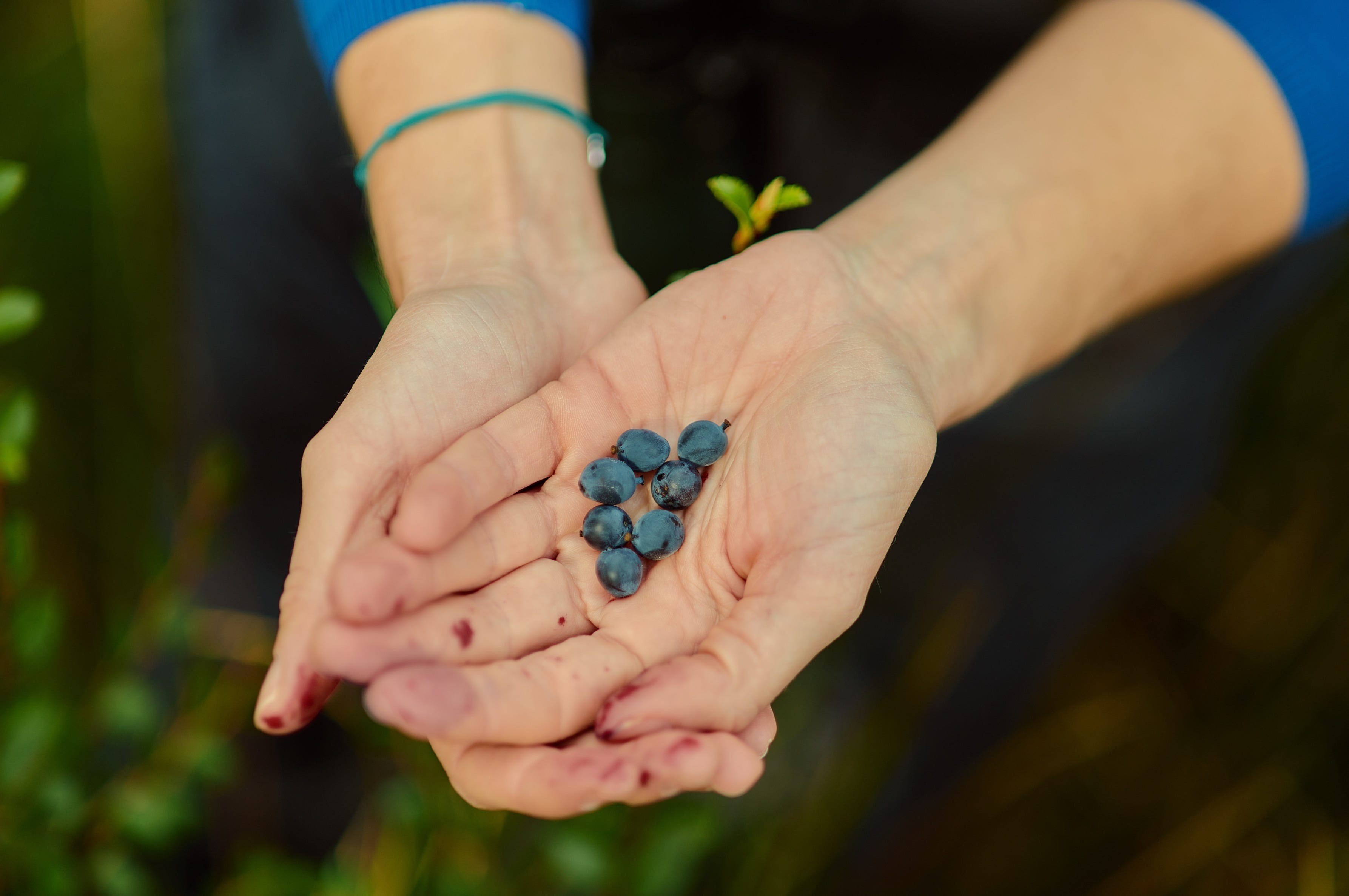
The Calafate berry is a dark blue-purple fruit native to Chile. Legend says a chief’s daughter, named Calafate, was turned into a bush by a shaman. The berries represented the heart of her lover, ensuring they’d always be together. So many locals believe that eating the berry binds a traveller to Chile and ensures their return.
I ate the berry. And I look forward to my return to Patagonia.
Previous Favourites
April Contest
This month, I’ll be giving away a $200 gift card to the Moment Shop where the winner can save big on their next camera, lens, bag, or courses. Moment has so many creative products to choose from and $200 can absolutely make for a great deal.
How will I pick the winner? Make sure you’re signed up for this newsletter then leave a comment on at least one post from this month. I’ll be randomly picking one person, confirming they meet the requirements and contacting them directly before announcing the winner publicly.
As always, this contest is void where prohibited by law. Good luck!
My thanks to the team at Moment! Not only for this contest but for being the longest supporter of my work online. They’re a lean team of passionate creators that truly believe in supporting other creatives on their journey. Whether it’s a new camera, lens, workshop, or just some great articles, visit ShopMoment.com today.
What’s Next?
Before I wrap this up, I want to thank the team at Quark Expeditions. I’ve been partnering with them for years, and getting the chance to travel to Patagonia was a true privilege. My gratitude also goes out to all the Chilean friends we got to make along the way. They made this trip something I’ll carry with me always.
Noticeably, the actual film photography from this voyage is missing in this story. That was intentional. In the coming weeks, I’ll be dedicating an entire story just to those images. Stay tuned.
GB
Incredibly written! And film gets a shoutout in the least hospital place. Love it.
I deeply cherish the thoughtfulness behind the article you shared, the reflections it has brought me, and the respect it inspires for those known and unknown worlds.