

Leica M11 Monochrom Long-Term Review
Revisiting the digital benchmark in black & white photography

While preparing my Leica Q3 Monochrom story last week, I realized I never actually shared my review of the M11 Monochrom on this platform. It’s an impressive camera, one I had been waiting for and genuinely thought could earn a permanent spot in my lineup.
Spoiler alert: it didn’t.
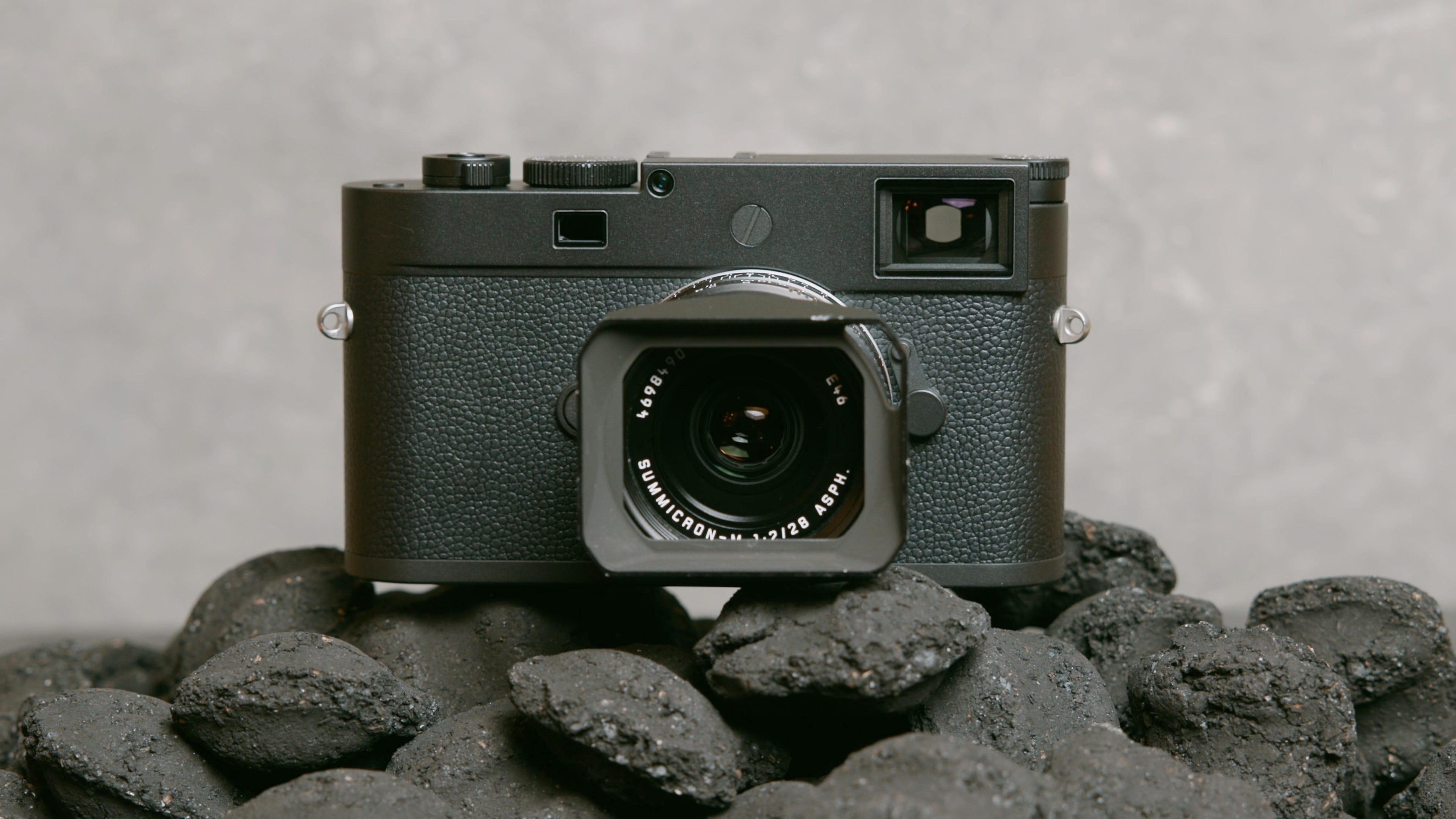
The M11 Monochrom is, without question, an incredible machine. But after extensive testing across different parts of the world, I realized I couldn’t fully commit to a purely black-and-white M camera. That said, I know many photographers who absolutely could.
This week, I’m sharing my long-term review, updated with a few new notes, and breaking down who I believe will get the most out of this unique tool.
Note To Readers
This is a longer story and if you’re reading this in email, there’s a good chance it may not load properly. This story is best experienced on Church & Street or through the Substack app.
You’ll also find a disclaimer at the end of this review. Given my relationship with Leica, as well as other imaging brands, I’ll be sharing additional context with each published review.
Making The Choice
There’s a simplicity to black and white photography that makes it one of the hardest or easiest spaces to explore visual storytelling. The removal of colour adds a layer of abstraction that can invite more scrutiny of an image’s context. Or, it can act as a safety blanket for the many men who like to cosplay as photography experts on the internet. However wide that gap may be, there’s one thing that binds both groups together: intention.
The photographer is making a choice to remove colour.

For nearly a decade, whenever I’ve worked with a modern digital camera, I’ve always set up a black and white profile. Since the RAW file retains all colour data, this monochromatic preview helps me focus while composing the shot. When I see something that catches my eye, colour might be part of the attraction, but when I press the shutter, I’m concentrating on form, feeling, and tonality.
By removing colour in the viewfinder or LCD, I’m forced to think more about shape, contrast, and atmosphere. In a way, I’m often shooting in a black and white world first, then manipulating colour later.
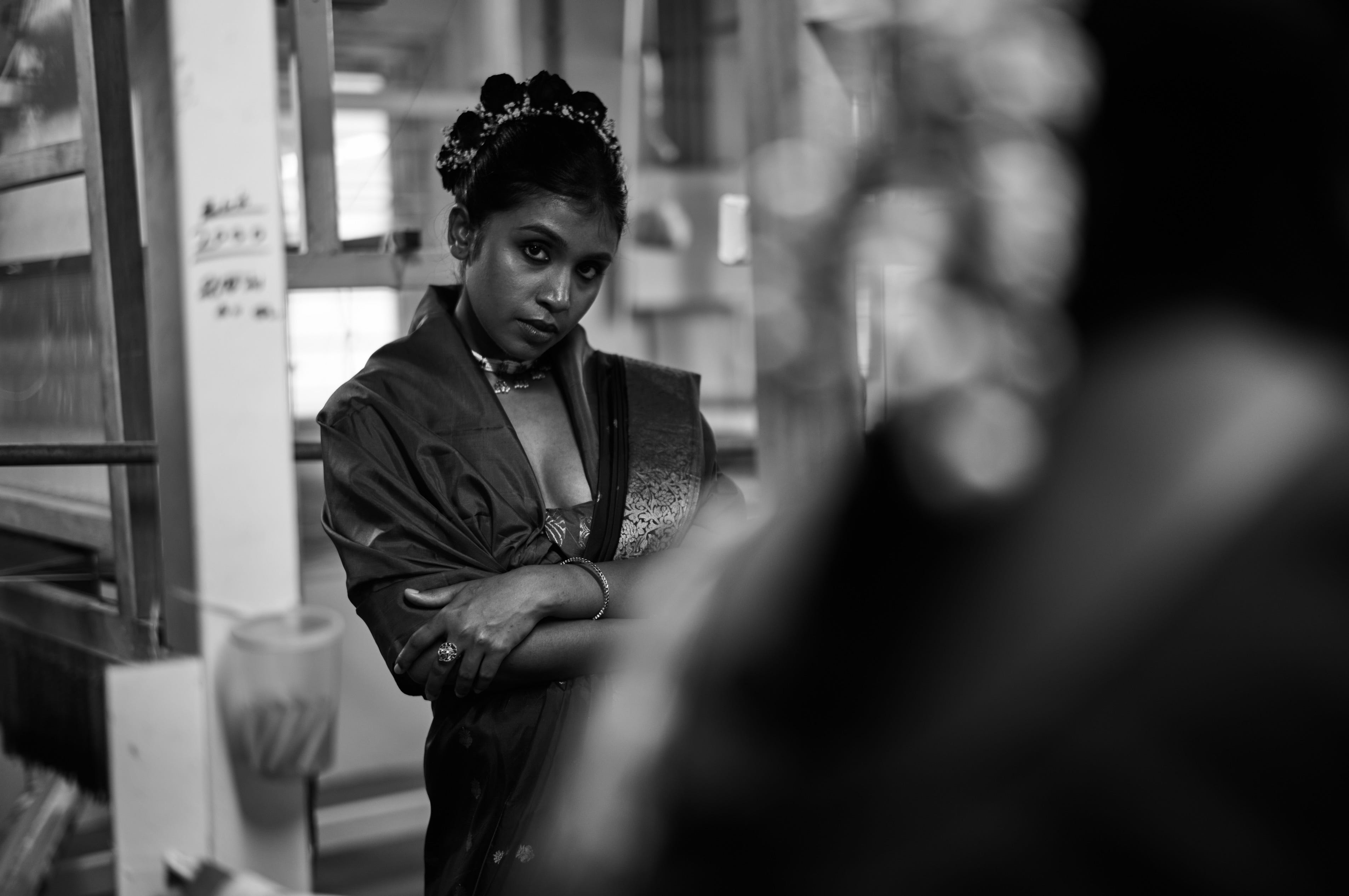
With the Leica M11 Monochrom, you’re buying real estate in that world. It’s a premium tool designed for photographers who want to tell monochrome stories from start to finish. Unlike colour sensors, the M11 Monochrom’s sensor captures the full spectrum of light at every pixel. A colour sensor divides pixels between red, green, and blue channels, but a monochrome sensor simply records luminance. The result is increased light sensitivity and incredible tonal depth.
Not only is this a dedicated tool for black and white images, it’s a better tool for them too.
With a higher ISO ceiling and a surprisingly pleasing noise pattern, the M11 Monochrom encourages you to shoot in difficult lighting conditions. A camera like this doesn’t just change what stories you can tell, it changes when you can tell them.
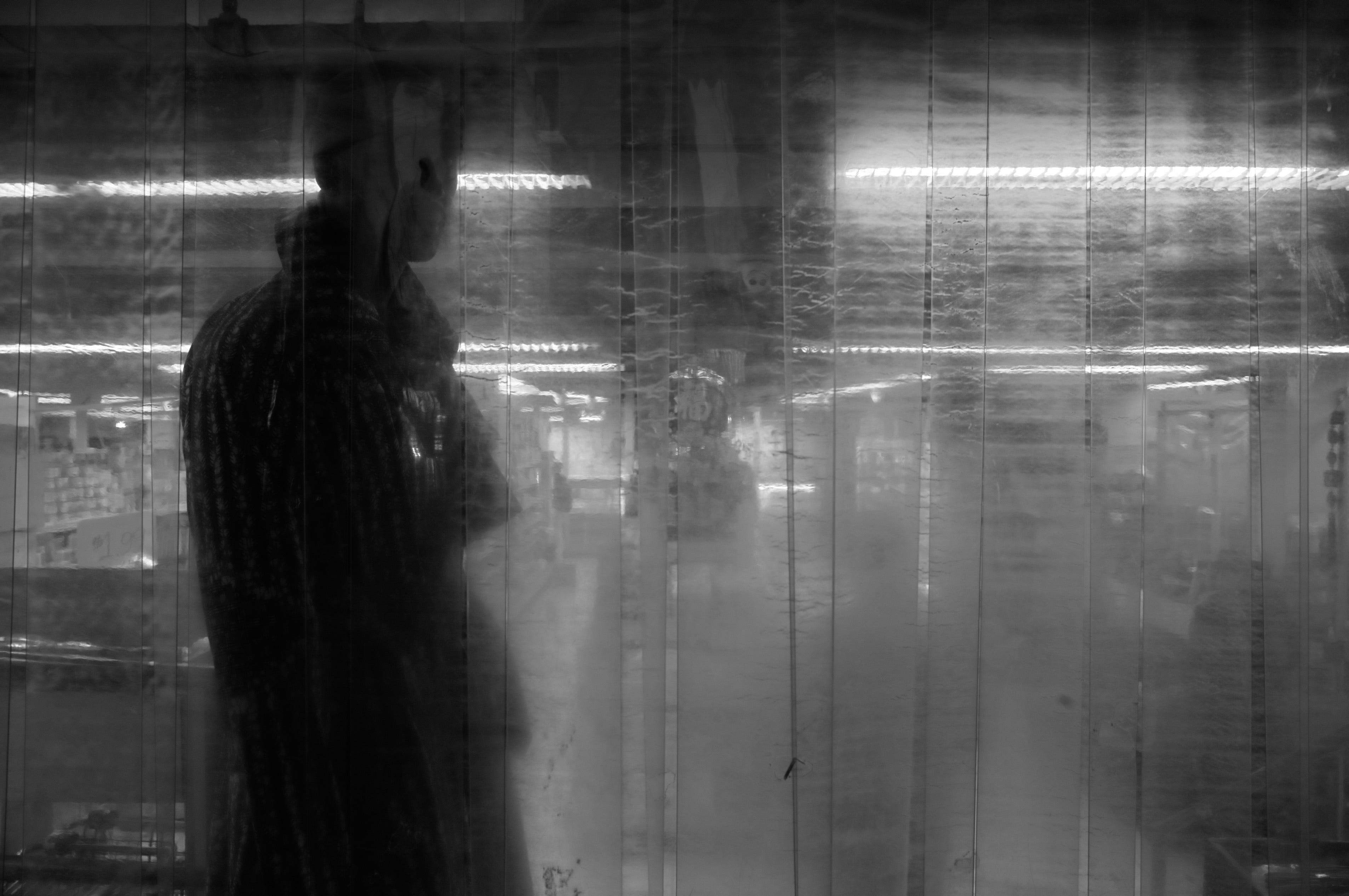
Highlight recovery is impressive, though it’s still a digital sensor, so I tended to underexpose to protect the highlights. Without colour information, high-contrast scenes appear even darker in the preview, but that’s fine. There’s plenty of latitude to lift details from the shadows.
Shooting with the M11 Monochrom reminded me of using a film camera. It demanded patience, restraint, and awareness of light. It forced me to stay in the moment, avoid chimping, and expose deliberately. Once I leaned into that rhythm, I started having genuine fun with the camera. And the results reflected that.

The files had exceptional dynamic range and depth. In certain moments, they carried a timeless quality that elevated the story within the frame. The absence of colour on a $9,000 camera might sound absurd to some photographers, but for others, it’s empowering. Paired with a modern lens, like the close-focusing Summilux 50mm, if feels like a precision instrument built with Leica’s best imaging technology, and it looks stunning from top to bottom.
In the hands of a professional, it becomes a powerful storytelling device.
Details In The Grey
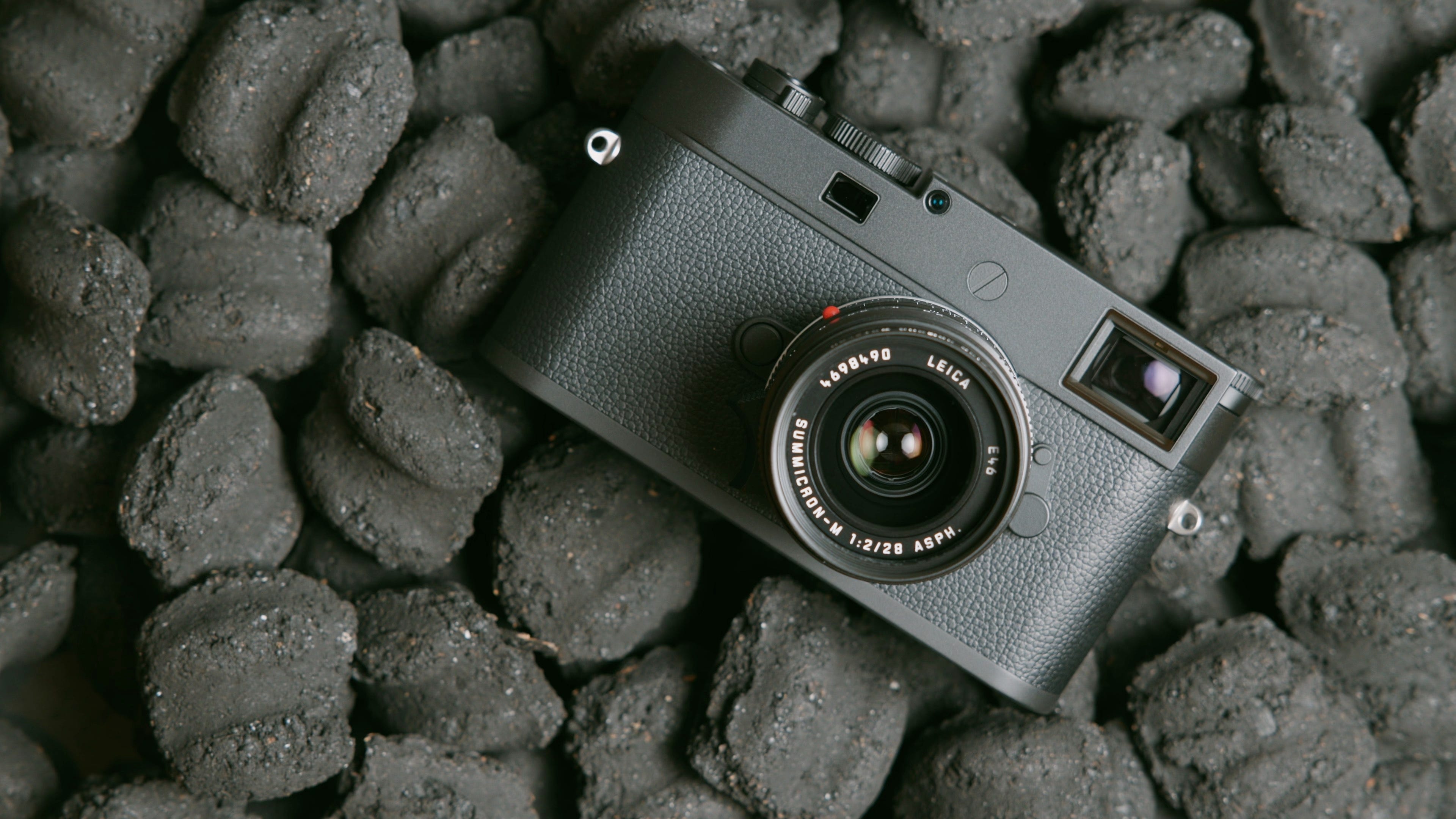
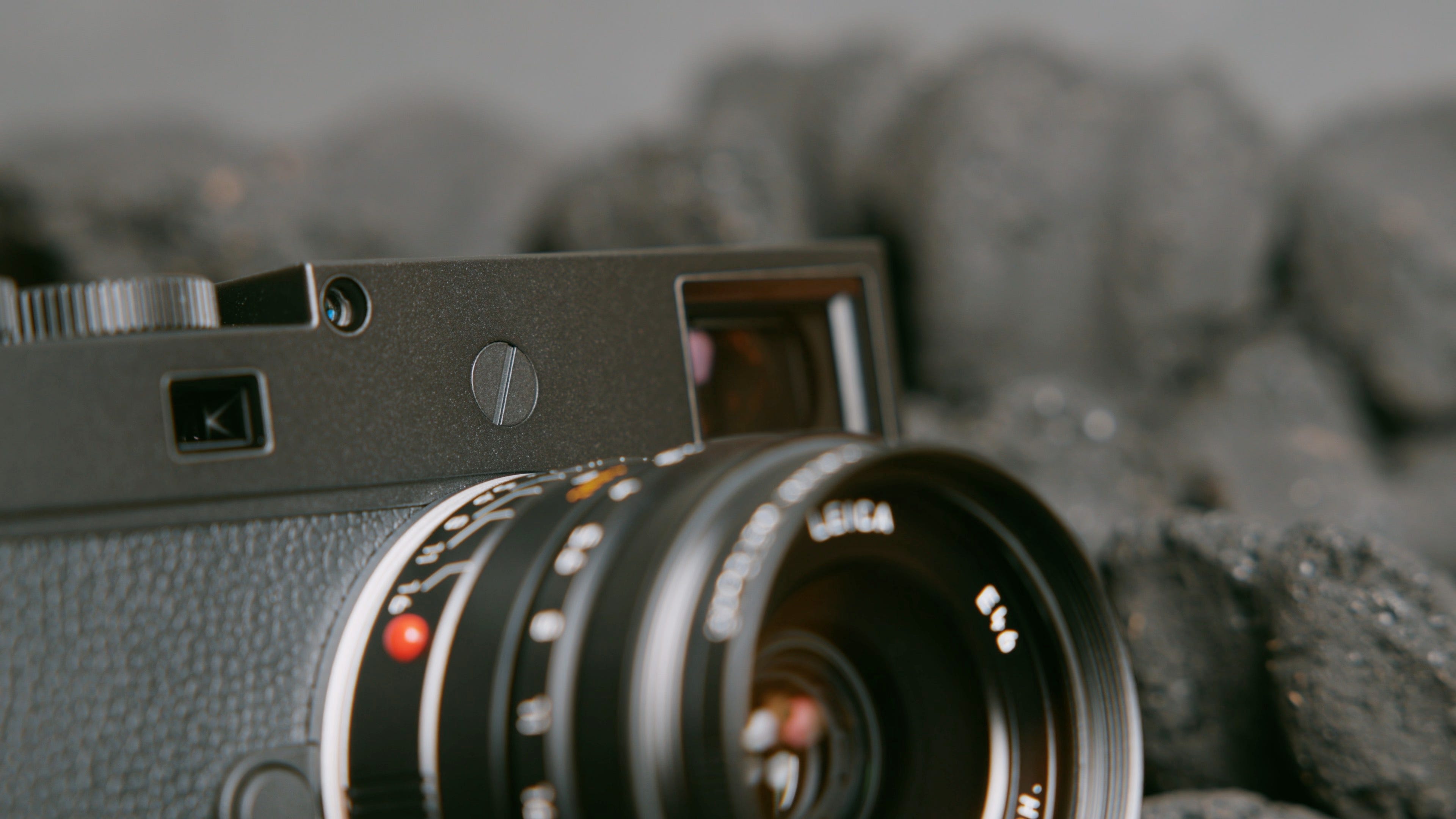
The M11 Monochrom carries the classic Leica rangefinder design but with a more refined touch. It feels incredibly discreet. With a handful of buttons and easy battery access, it’s nearly identical to the original Leica M11, except for the darker trim around the viewfinder, the subtle “Monochrom” label, and the absence of the red dot. Add in the sapphire glass LCD and 256 GB of internal storage, and you get a few meaningful upgrades that make a noticeable difference in the field.
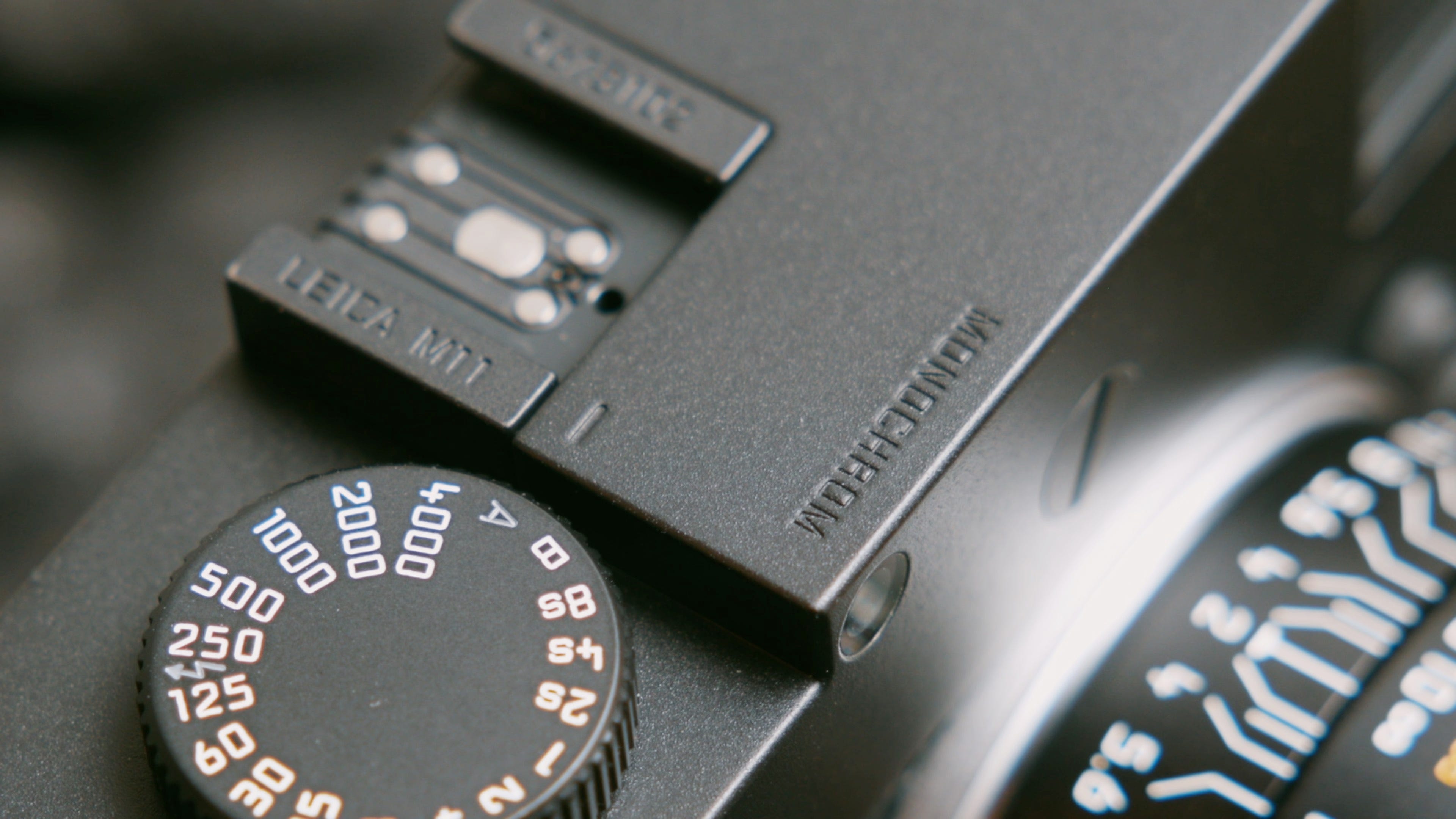
Whether it’s for backup, overflow, or just forgetting to put your card back in, internal storage is a gift that keeps you shooting. I’ve said it before: photographers aren’t fighting for dual card slots as much as they’re asking for peace of mind. I’d much rather juggle fewer memory cards but still have two points of storage. The Monochrom continues that M11 trend beautifully.
Leica’s user interface also deserves credit. Between the camera menus and the Fotos app, you get something that feels simple and intuitive. You can’t fully appreciate it until you’ve spent real time in the field, but across the countless cameras I’ve tested, this system just feels right. I still don’t understand why most camera companies design their menus like escape rooms, burying essential tools under layers of confusion. The goal of a menu should be to get you what you need as fast as possible, and that’s something Leica genuinely gets right.

On the image quality front, the M11 Monochrom can capture at 60, 36, or 18 megapixels while using the full readout of the full-frame sensor. It delivers incredible detail, and without colour data, contrast and clarity often appear more pronounced. You’ll get so much information in each file that you might find yourself intentionally holding back, depending on the story you’re trying to tell.
Because every pixel captures light directly, I found roughly a stop more latitude in dynamic range compared to the original M11. While that might sound like the difference between clipped highlights and a university acceptance letter for South Asian parents, the truth is you’ll only notice it in specific situations.
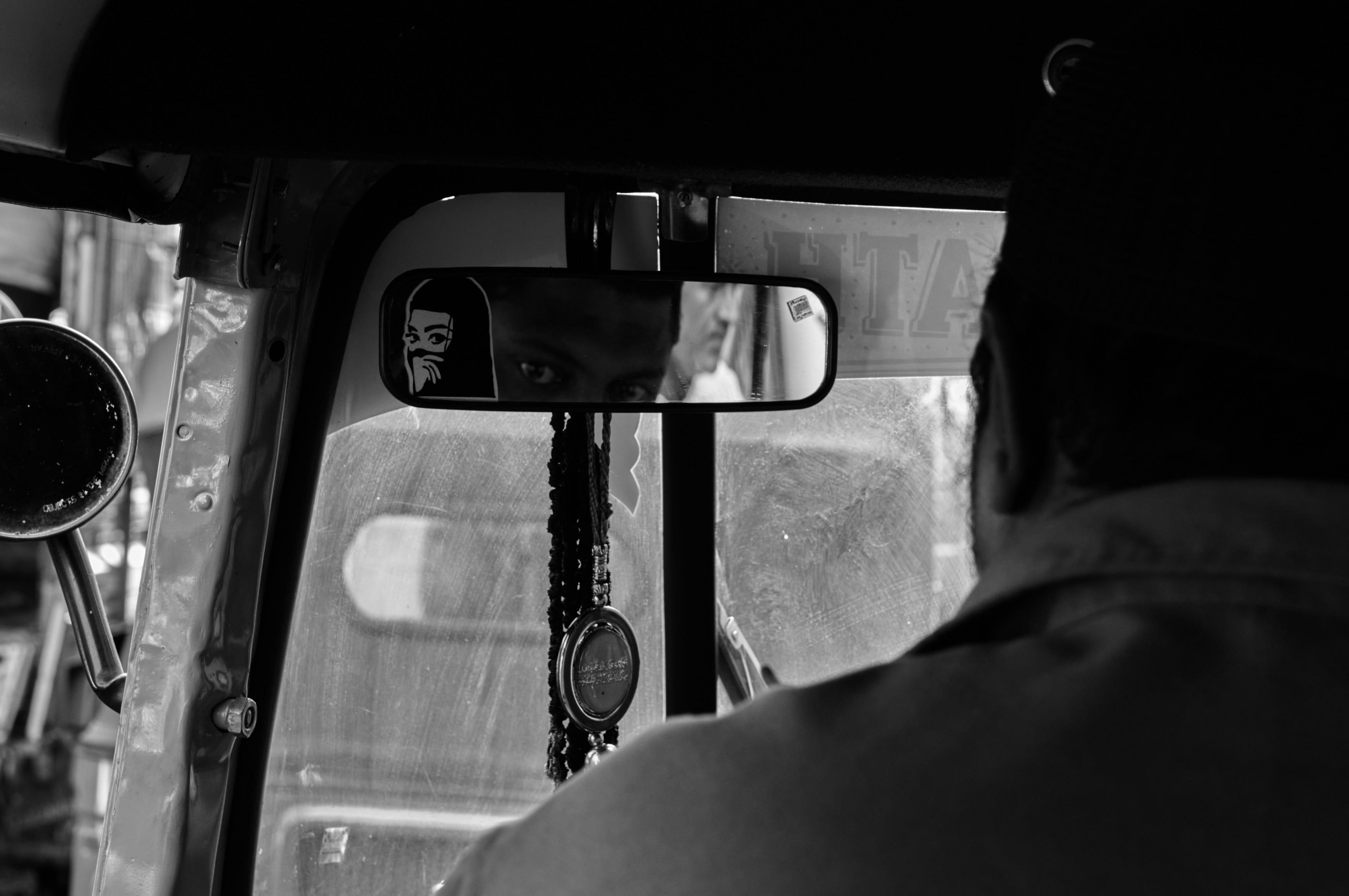
What stood out most was how gracefully the camera handled highlight and shadow recovery. Without the uneven distribution between RGB channels, you can reclaim details with confidence and avoid the dreaded overcooked HDR look.
The ISO tops out at 200,000, but I found that setting a ceiling around 25,000 gave me usable results. If you want to get the most out of this camera, try to stay below ISO 6400 and rely on the other points of the exposure triangle to balance your shot. With this camera, ISO does become more of an aesthetic choice. Pair it with a Summilux lens, and you get that uneven falloff in contrast and sharpness that gives your images this filmic quality.
There’s a lot to love here: USB-C charging, tethered shooting, wireless transfers, touchscreen controls, highlight-weighted metering, and more. These modern conveniences elevate the rangefinder experience while supporting an extraordinary monochrome sensor. It’s everything that makes a Leica feel timeless, but with the kind of refinement that reminds you why the system still matters.
Elevating The Story
How can a camera like this get better? First, I’d love to see faster startup times. Leica has made some progress, but it still takes a little too long to fire up. Most of the time, I simply left the camera on and half-pressed the shutter to wake it from sleep. Still, it would be great if the camera could spring to life just a little quicker.
Next, I’d love more control over the JPG recipes for those of us who tend to underexpose in the field. The ability to fine-tune the dynamic range, apply a more pronounced reverse S-curve, and get a more accurate preview of the final image would be incredibly helpful.
I understand why there are no Film Styles on a Monochrom camera, but what if Leica introduced creative black and white looks to give images a distinct tone or texture? Imagine a subtle emulation of a classic film stock that adds character straight out of camera. Ambitious, sure but it could make for some compelling results.
Additional aspect ratios for JPG profiles would also be a welcome addition. With a 60 MP sensor capturing this level of detail, offering cinematic ratios could unlock new creative options in the field.
And one last, small thing: the strap. The one included with the camera just doesn’t cut it. Many working photographers I know don’t bother with it. It tends to catch on clothing and doesn’t slide comfortably. It’s a minor gripe, but I believe a premium camera deserves a strap that feels the part.
Where Have I Landed?
So, where have I landed with a camera like this?
The easy thing to say is that if you love black and white photography, this is a camera worth looking at. But that’s lazy. And it’s not true. It’s not enough to love black and white photography. You have to live it.
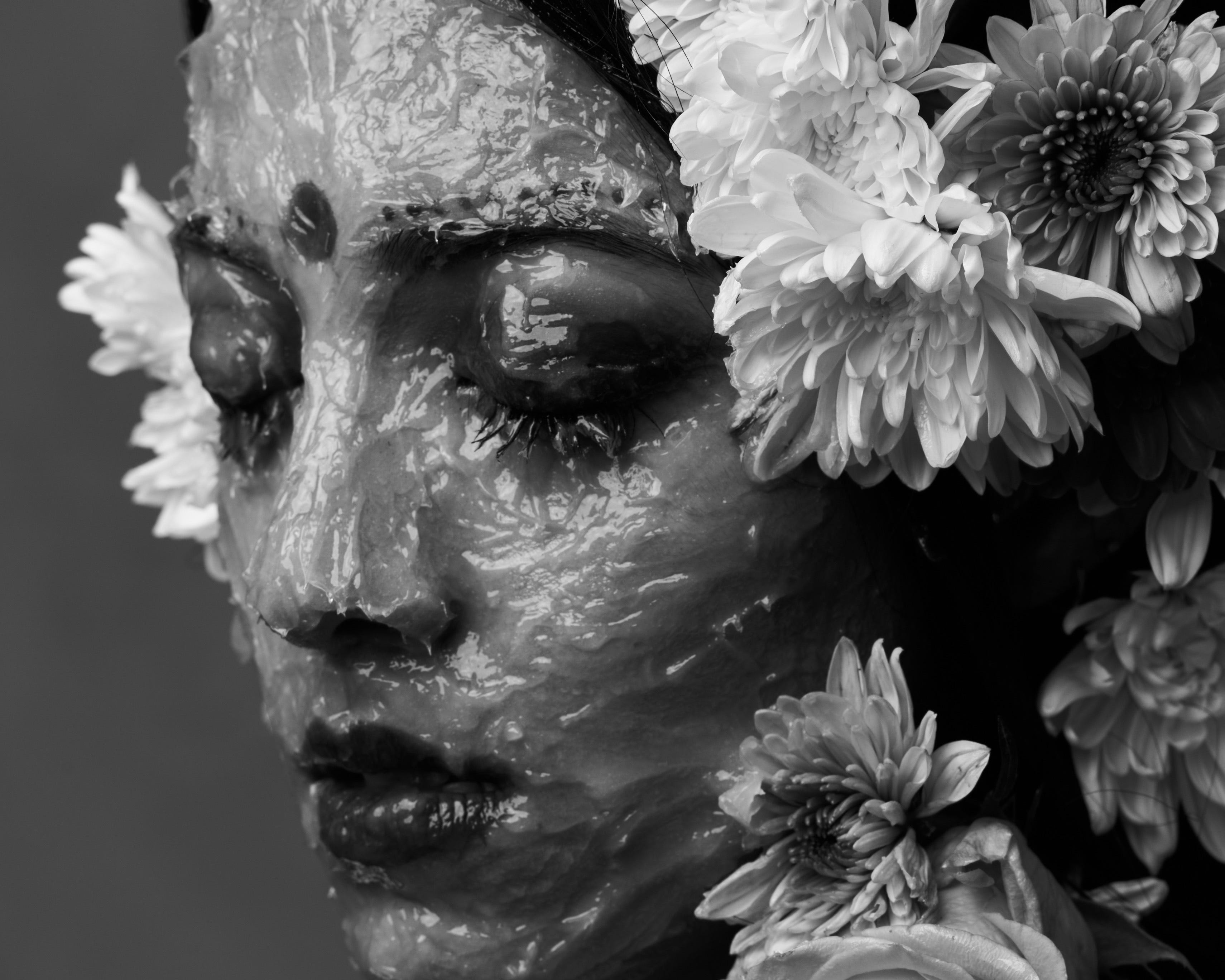
When I think about a camera like this, I think of artists like Devin Yalkin, Andre Wagner, Muriel Florence, and Devaraj Devan. Photographers who approach their work with a humanist spirit and actively live in black and white photography.
The M11 Monochrom is for the photographer who wants to push the boundaries of monochromatic storytelling and reach new heights. It strips away every safety net, narrowing latitude even further than a standard digital rangefinder, all in the pursuit of bringing out your best. That’s who this camera serves most.
For me, loading a roll of HP5 or Monopan 50 into my Leica M6 scratched that same black and white itch. It’s a little less convenient than a digital monochrome body, but when you apply the same photographic principles, the results are just as satisfying. Maybe even more.
The Leica M11 Monochrom is an expensive proposition, not just in cost but in courage. You have to be willing to commit. There’s no guarantee that shooting in black and white will suddenly make your images more interesting. I’m not saying it’s a camera only for professionals, but I am asking this: do you want it badly enough? Is your storytelling driving you to this place?
Where some see limits, others see freedom. Freedom from the distraction of colour. The M11 Monochrom gave me moments where it felt like a liberating camera, one I could depend on even in the most difficult lighting situations. For those who take the leap, you’ll find an incredible tool that gives back as much as you give it. And sometimes, even more.
The Leica M11 Monochrom isn’t about nostalgia or novelty. It’s about stripping photography to its core and asking if you’re willing to meet it there. For those who are, this camera will reward you with more than just good pictures. It’ll give you perspective.
Disclaimer
If you’re asking me, there’s no such thing as a completely objective review, especially in the imaging world. As someone who continues to work with Leica products, it’d be dishonest to suggest I could remove all personal attachment to these tools.
That said, my review structure has always been the same: share what I enjoy, highlight what could be improved, and outline who I believe would benefit most. YouTube culture has pushed this idea of hyper-focusing on perceived flaws and arbitrary comparisons without actually sharing an opinion. I find this useless.
The truth is, most cameras are better than most photographers. The harder and more valuable task for a reviewer is to articulate who a product is best suited for rather than drone on about what it cannot do.
My reviews are designed to give real-world insights for people considering a product for their creative journey. My hope is to deliver that in a way that’s useful, honest, and yes, occasionally entertaining.
Finally, no review I publish is seen, edited, or approved by anyone other than me. That includes Leica and any potential sponsors. Everything you read here is entirely my opinion.
Upcoming Events & Workshops
Leica Akademie: Video for Photographers (Seattle)
In March of next year, I’m leading a three-day workshop for photographers who are new to video. Whether you’re looking to create short films, branded content, or simply elevate your visual storytelling, this workshop provides a practical introduction to filmmaking. Learn more here.
Arctic 2026 Photography Adventure
In 2024, I traveled to Svalbard with Quark Expeditions and it was unforgettable. I’m planning a return trip in 2026 with a group of photographers. This is not a workshop. It’s an excuse for like-minded storytellers to visit one of the most remote places on earth. If that sounds like you, fill out this form to learn more.
Next year, I’m heading to India again for our second street photography adventure across the North and South. Seats have just been made available for those looking for a deep, immersive photography experience. Learn more here.
Previous Favourites
November Contest
This month, I’ll be giving away a $200 gift card to the Moment Shop where the winner can save big on their next camera, lens, bag, or courses. Moment has so many creative products to choose from and $200 can absolutely make for a great deal.
How will I pick the winner? Make sure you’re signed up for this newsletter then leave a comment on at least one post from this month. I’ll be randomly picking one person, confirming they meet the requirements and contacting them directly before announcing the winner publicly.
As always, this contest is void where prohibited by law. Good luck!
My thanks to the team at Moment! Not only for this contest but for being the longest supporter of my work online. They’re a lean team of passionate creators that truly believe in supporting other creatives on their journey. Whether it’s a new camera, lens, workshop, or just some great articles, visit ShopMoment.com today.
What’s Next?
It’ll be some time before I put together a full review of the Q3 Monochrom, but I feel that camera makes a stronger case for a dedicated black and white tool. At least for me. Still, I’m curious what you think. Does the idea of a monochrome-only camera interest you, or does it sound completely crazy? I’d love to hear your thoughts in the comments of this post.
GB
Hi Gajan, thinking back on my 1st experience with Leica digital my M8 back then underwhelmed me with color images but amazed me when shot in monochrome! Today I still revel in the depth of tone I get with my Q2Monochrom 😎, but my first love remains medium or large format black & white film…Thanks, Stephen, Raleigh NC USA