


Most of the discourse around photography, including what you read from me, is dedicated to what we put inside the frame. It’s often about seeking out subjects, orienting ourselves relative to them, and aggregating elements that’ll justify every square millimetre that’s presented.
Let’s go in the other direction today.
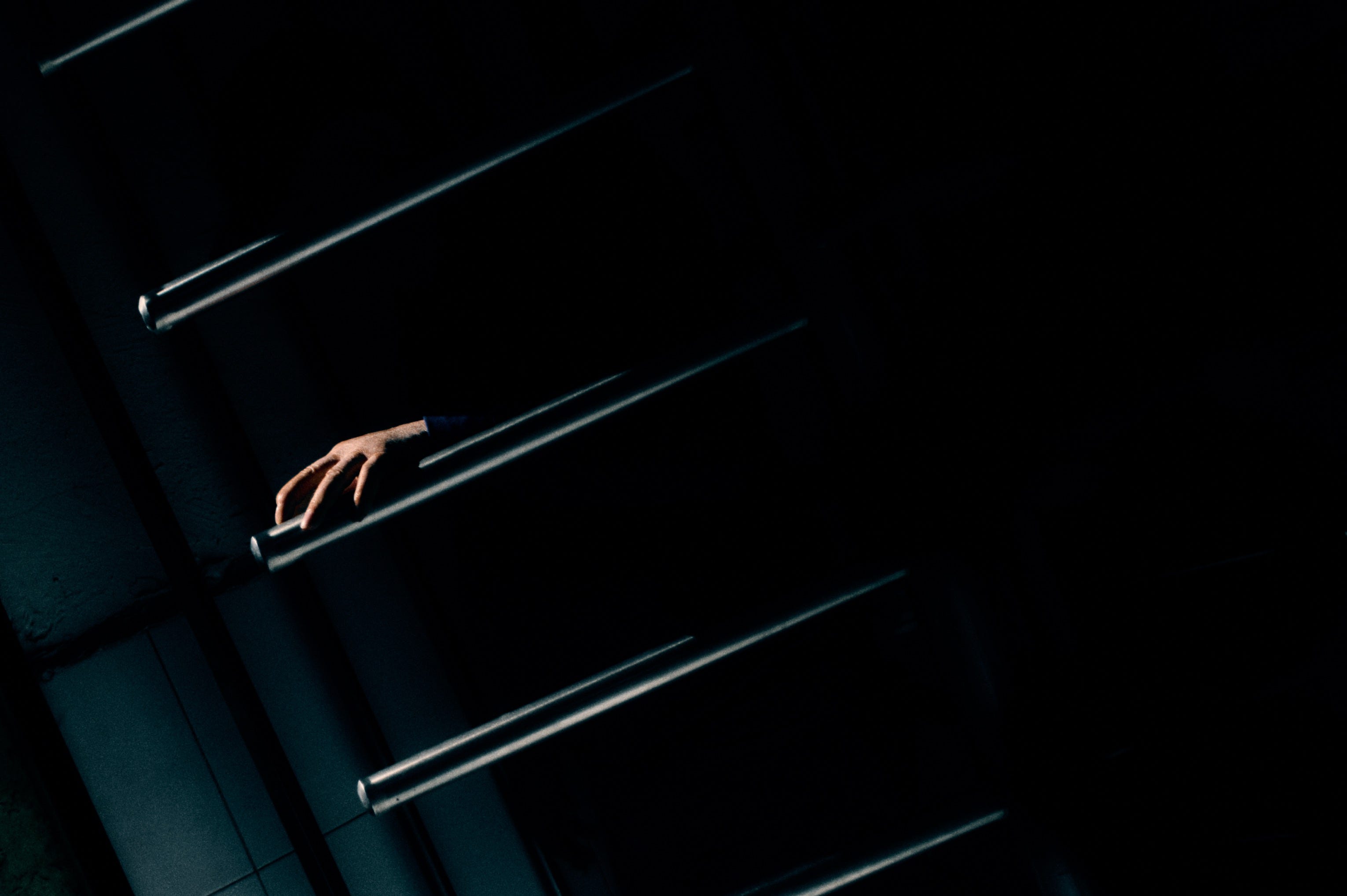
There are many moments where I’ll be walking through a gallery and I’m just taken back by how the most commanding presence in the room is emanating from the most minimal scene.
Negative space is a technique used in all the sub-genres of photography and it’s something that can drive the story of an image further toward the viewer by removing detracting forces. At its best, negative space is creating this deliberate room to breathe for the viewer.
Addition by subtraction.
This week, I’m going to share with you my thoughts on the technique, how you can study it further, and five specific ways you can practice it in the field.
Upcoming Events & Workshops
Leica.Connect: NYC Photowalk (SEP 5TH)
Join me in NYC for a free photo walk this September. Spots are technically full but I feel like if you just show up, you’ll be fine. Details found here.
India: North & South Street Photography Workshop (FEB 2027)
If you’re looking for an authentic and unforgettable street photography adventure across India, this workshop is for you. One seat is open for my workshop from February 5th-15th next year. Email me to reserve your spot.
Video for Photographers Masterclass (LONDON)
Our last Video for Photographers experience was a hit. If you’re a photographer looking to expand your skillset with video, this is the best workshop you can invest in. Email me to reserve your spot for early 2027.
This year, over twenty photographers gathered in Svalbard for a group photography adventure unlike anything else. Next year, I’m looking to invite a group to the 7th continent. Spots are limited, details can be found here.
What Is Negative Space?
To better understand negative space, let’s define positive space first. The subject of your image, the focal point, or the visual anchor? This occupies the positive space in an image. With that in mind, look at negative space as all the, often less-cluttered, space around it. However, an important distinction I want to mention early is that while this space can be empty, it still has weight to it.
Negative space contains emotional gravity.
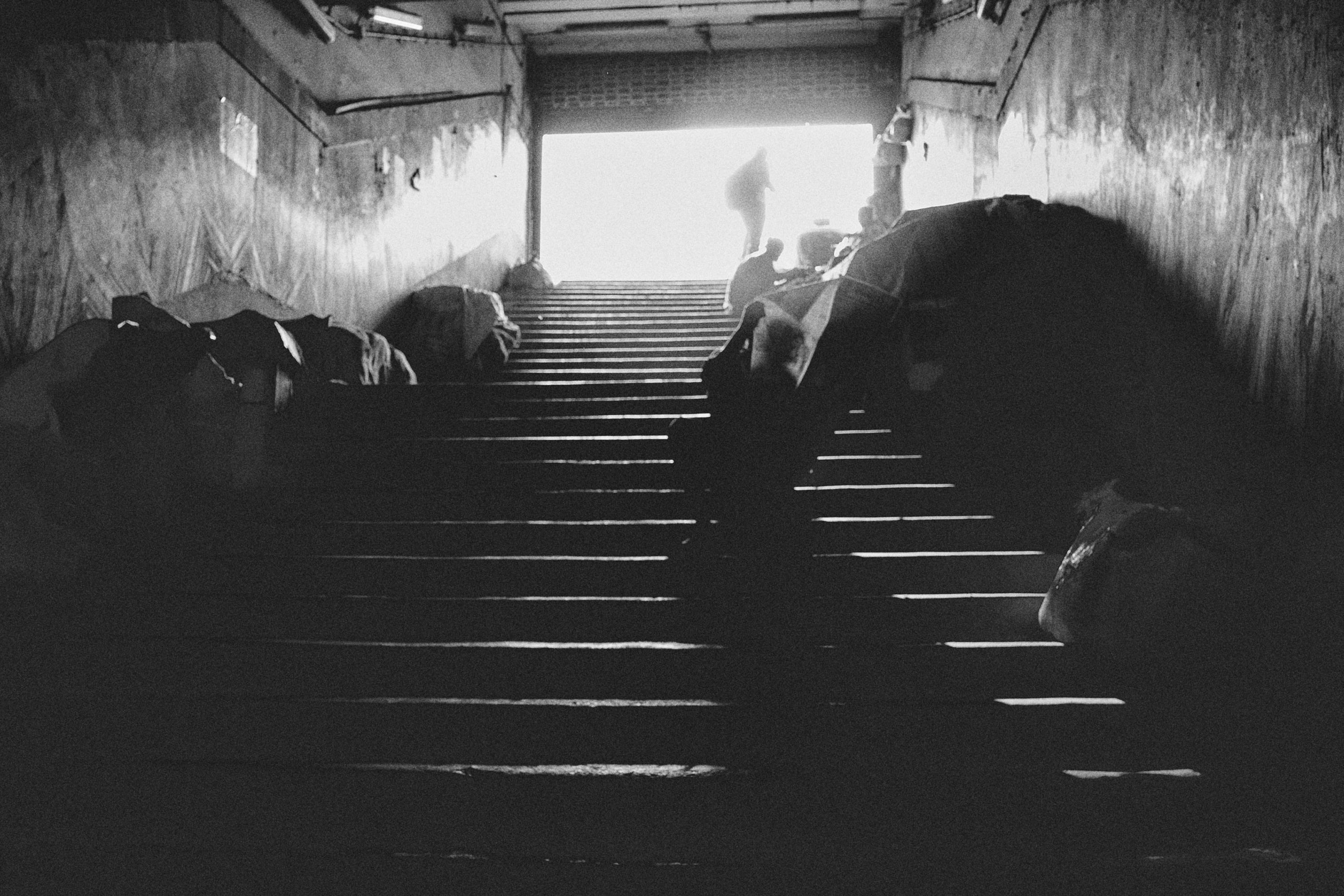
When used effectively, negative space orients the viewer, dictates pacing, and sets an overall atmosphere to cradle your story. By giving more of the frame room to breathe, there’s less competition amongst elements within the frame and thus, allows for a more deliberate encounter between subject and viewer.
Studying Negative Space
If you’re looking to study how emptiness can create atmosphere, I’d first recommend looking into the Japanese concept of Ma. It’s a traditional ink-wash painting style that had to rely on minimalism because ink was extremely limited.
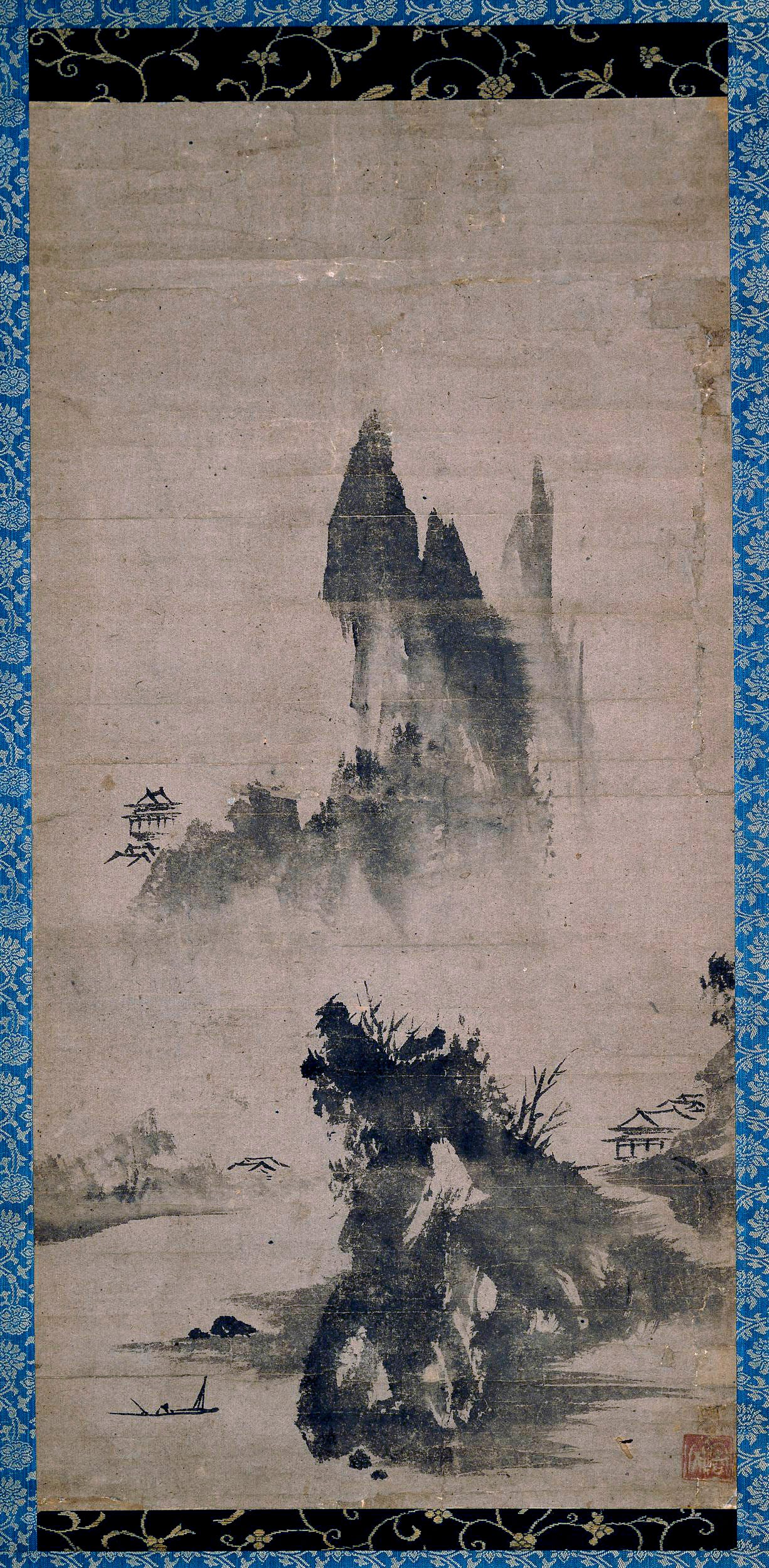
The result of these constraints was that these 15th-century East Asian masters had to rely on negative space to tell a complete story. Sessō Tōyō is a clear example where we can see depth, layering, and atmosphere being elevated by the rich negative space between the large splashes of ink. Again, these works showcase how the void can invite imagination. The unpainted surfaces allow our brains to paint in the rest of the image.
Now, what if you wanted some modern masters to study? There’s a ton of great examples and at the time of writing this story, here’s the four that came to mind.
There is a clear through-line between the concept of Ma from the 15th-century and the work of Masao Yamamoto. Negative space is used very similarly to the painting style to elevate the central subject, and images feel imbued with historical significance.
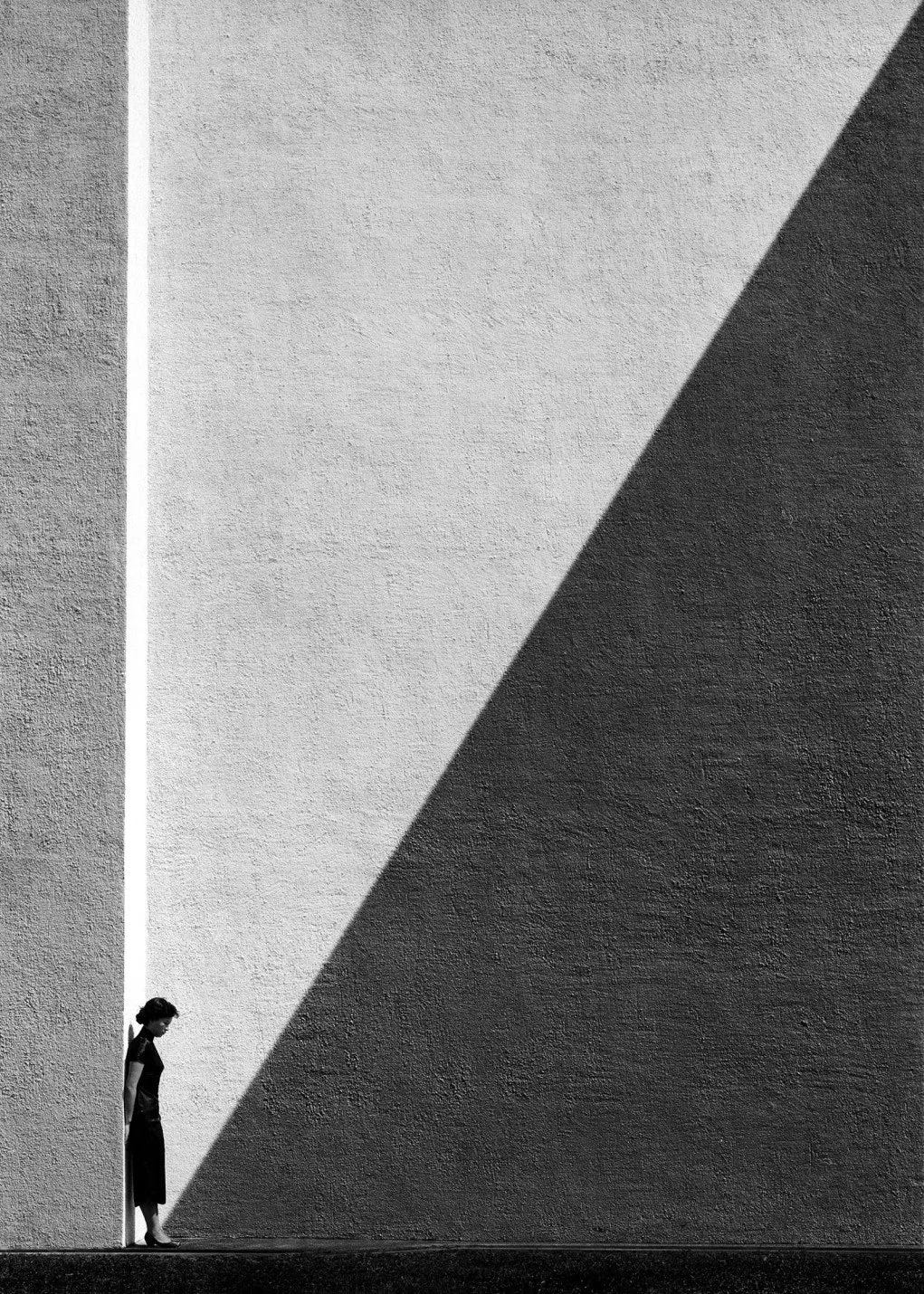
For some, there may be no better example of maximizing negative space in photography other than Fan Ho. Go through his archive and you’ll find these mid-century city streets that feel like a theatre stage. Negative space here really feels like it’s putting dramatic actors at the forefront of the story.
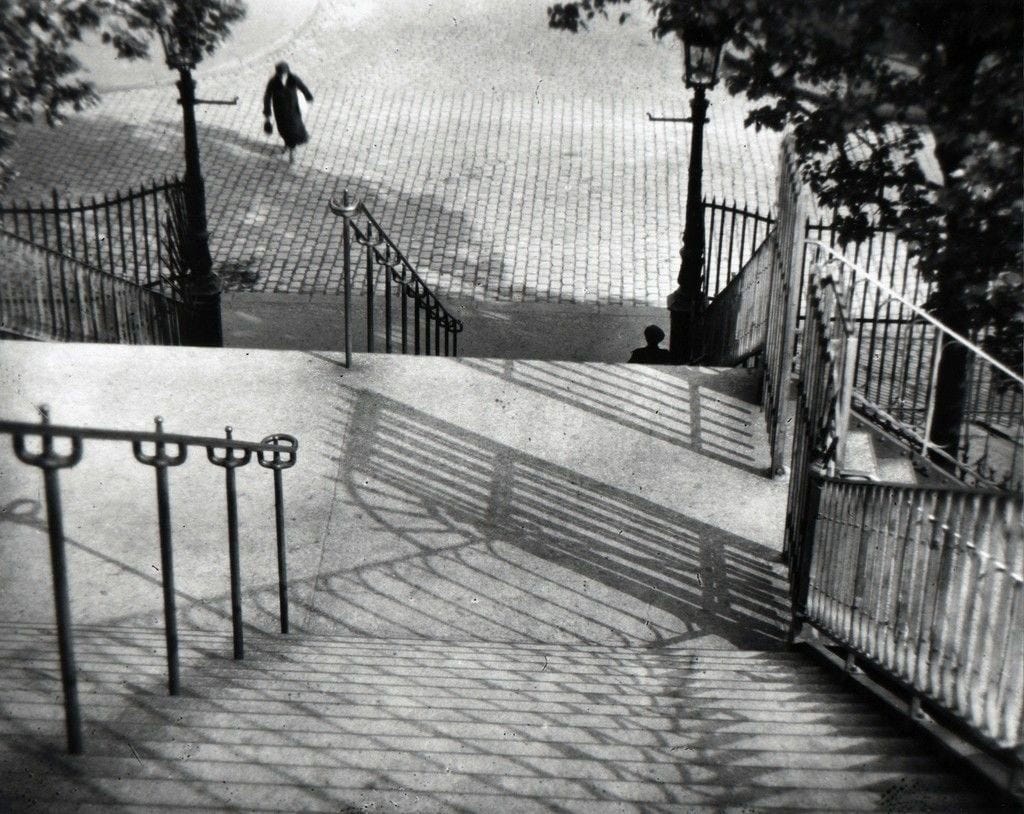
When you examine the work of André Kertész, you’ll notice that there’s a level of precision and geometry at play in these wide, sweeping scenes. The angles are all funnelling toward a singular moment in life.
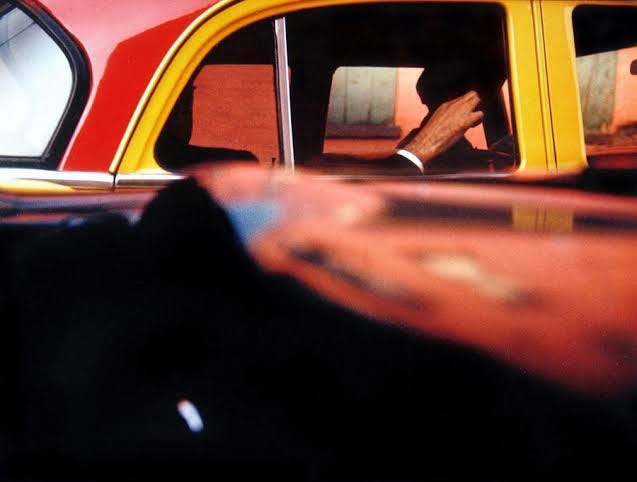
When it comes to colour, Saul Leiter is the name that comes to mind. He’s a master at using negative space to obfuscate large parts of the frame and draw heavy awareness onto the subject. It lends to something that’s more poetry than geometry.
If you’re looking to deepen your knowledge of negative space, I’d recommend you start with East Asian paintings of the 15th-century then move to these contemporary maestros. It’ll give you a masterclass in how emptiness carries weight.
Cheap Trick Or Powerful Beacon?
If you’re asking me, negative space lives on a spectrum. At its most basic, it’s a cheap trick. At its best, it can operate like this force of nature.
There’s no shortage of enthusiast and pro photographers that leverage negative space as an aesthetic crutch. It’s the tiny figure in silhouette that’s delicately placed in a corner of the frame, desperately adhering to the rule of thirds under a featureless sky.
Images like this are valuable points of learning in our personal journey but they’re often just a copy of a copy under the masking as expertise. It gets repetitive.
Ask yourself where’s the identity? Where’s the drama? Where’s the story?
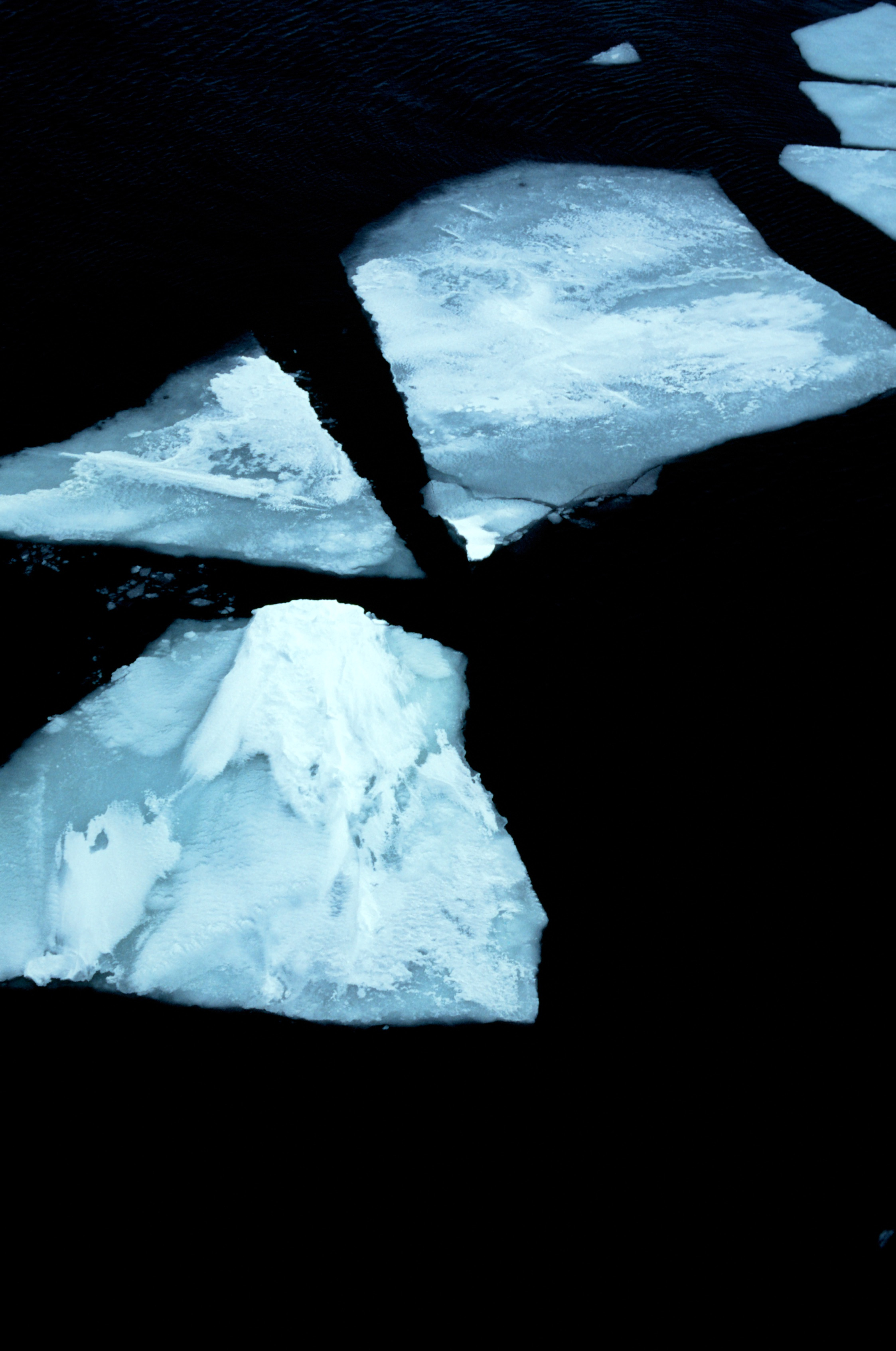
As we look to elevate our use of negative space, we should ask ourselves how this technique can develop a two-dimensional frame into a four-dimensional experience that carries depth. We should aspire to use negative space as a beacon that deliberately challenges traditional compositional norms and sparks engagement. There should be an attempt to use disproportionate voids to evoke feelings of uneasiness, wonder, scale, or magnetism.
For me, negative space is all about asking what a subject’s place is in the world.
5 Practical Techniques to Leverage Negative Space
Here’s a summary of how we can actively sharpen our use of negative space.
